Ingredients Categories
Finished Products
Finished Food Categories
- Bakery
- Beverages / Juices
- Cereal and grain products
- Confectionery
- Cooking Fats & Oils
- Dairy
- Egg products
- Fruits & Vegetables
- Infant & Baby food
- Meat, Poultry & Fish
- Nuts & Seeds products
- Other Finished Food Categories
- Pet Food
- Plant-based foods
- Prepared foods
- Sauces & Seasonings
- Sweet & Savoury Spreads
Specialised Finished Products
- Bee products
- Biotic products
- Dietary supplements
- Energy drinks
- Functional beverages
- Functional confectionery
- Functional food
- Functional powders
- Meal replacement products
- Nutricosmetics
- Other Specialised Finished Products
- Pet Dietary Supplements
- Pharma and OTC products
- Protein products
- Sugar replacers / Sweeteners
Health & Wellness Areas
Delivery Formats
Operations & Services
- 3D printing
- Analysis/ Testing
- Auditing & certifications
- Blending & mixing
- Bottling
- Certification
- Clinical trials
- Co-packing
- Coating
- Consulting
- Contract manufacturing
- Drying
- Electrospinning
- Encapsulating
- Enzymatic processing
- Extracting
- Extrusion
- Fat structuring
- Fermentation
- Filling
- Flavour development
- Freeze drying
- Granulating/ grinding/ milling / mixing
- High-pressure processing
- Labelling
- Other Operations & Services
- Packaging
- Packet filling
- Pasturising
- Quality assurance
- Saccharification
- Shear cell processing
- Spray drying
- Sterilisation
- Storage & Logistics
- Tabletting
- Toasting / roasting
- Ultra-high temperature processing
L-Glutamic Acid
.png)
Product description
Product:L-Glutamic acid
CAS No. : 56-86-0
Molecular formula: C5H9NO4
Synonym:L-GLUTAMICACIDextrapure;(S)-2-Aminopentanedioicacid,Acidumglutamicum,Glu;(S)-2-Aminopentanedioicacid,Glu;L-Glutamicacid,(S)-2-Aminopentanedioicacid,AChemicalbookcidumglutamicum,Glu;L-Glutamicacid,(S)-2-Aminopentanedioicacid,Glu;L-Glutamicacid,extrapure,PhEur,FCC;GlutamicAcid(200mg);L-GLUTAMICACIDRESEARCHGRADE
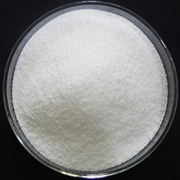
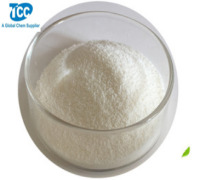
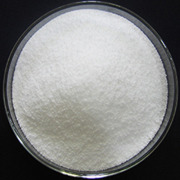
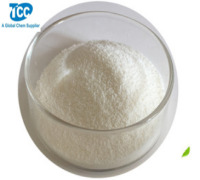
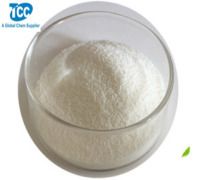
Appearance: White crystals or crystalline powder
Function:It is a kind of salt substitute, nutritional supplements, umami (mainly used for meat, soups and poultry, etc.). It can also be used as a preventer for the crystallization of magnesium ammonium phosphate in canned shrimp, crab and other aquatic products. The dosage is 0.3% to 1.6%.
L-Glutamic acid Benefits:
1. Glutamate participates in the combined deamination centered on glutamate dehydrogenase (glutamate is deaminated).
2. In blood ammonia transport, glutamine synthase catalyzes the combination of glutamate and ammonia to generate glutamine. Glutamine is neutral, non-toxic, easily permeable through cell membranes, and is the main transport form of ammonia.
3. In the glucose-alanine cycle pathway, glutamate dehydrogenase in muscle catalyzes the combination of α-ketoglutarate with ammonia to form glutamate, and then glutamate is then combined with glutamate under the catalysis of alanine aminotransferase. Pyruvate forms alpha-ketoglutarate and alanine.
4. In the metabolic pathway of biologically active substances, glutamate itself is an excitatory neurotransmitter, which is widely present in the brain and spinal cord, and γ-aminobutyric acid formed by decarboxylation of glutamate is an inhibitory neurotransmitter. Widespread in the body.
5. In the amino acid synthesis pathway, glutamic acid is an important precursor for the synthesis of glutamine, proline, arginine and lysine.
6. In the ornithine cycle (urea synthesis) pathway, glutamate dehydrogenase in mitochondria removes the amino group of glutamate to provide free ammonia for the synthesis of carbamoyl phosphate; aspartate aminotransferase in cytoplasm The amino group of glutamic acid is transferred to oxaloacetic acid, which then forms aspartic acid into the ornithine cycle, and glutamic acid indirectly provides a second amino group for the cycle.
Read more
CAS No. : 56-86-0
Molecular formula: C5H9NO4
Synonym:L-GLUTAMICACIDextrapure;(S)-2-Aminopentanedioicacid,Acidumglutamicum,Glu;(S)-2-Aminopentanedioicacid,Glu;L-Glutamicacid,(S)-2-Aminopentanedioicacid,AChemicalbookcidumglutamicum,Glu;L-Glutamicacid,(S)-2-Aminopentanedioicacid,Glu;L-Glutamicacid,extrapure,PhEur,FCC;GlutamicAcid(200mg);L-GLUTAMICACIDRESEARCHGRADE
Appearance: White crystals or crystalline powder
Function:It is a kind of salt substitute, nutritional supplements, umami (mainly used for meat, soups and poultry, etc.). It can also be used as a preventer for the crystallization of magnesium ammonium phosphate in canned shrimp, crab and other aquatic products. The dosage is 0.3% to 1.6%.
L-Glutamic acid Benefits:
1. Glutamate participates in the combined deamination centered on glutamate dehydrogenase (glutamate is deaminated).
2. In blood ammonia transport, glutamine synthase catalyzes the combination of glutamate and ammonia to generate glutamine. Glutamine is neutral, non-toxic, easily permeable through cell membranes, and is the main transport form of ammonia.
3. In the glucose-alanine cycle pathway, glutamate dehydrogenase in muscle catalyzes the combination of α-ketoglutarate with ammonia to form glutamate, and then glutamate is then combined with glutamate under the catalysis of alanine aminotransferase. Pyruvate forms alpha-ketoglutarate and alanine.
4. In the metabolic pathway of biologically active substances, glutamate itself is an excitatory neurotransmitter, which is widely present in the brain and spinal cord, and γ-aminobutyric acid formed by decarboxylation of glutamate is an inhibitory neurotransmitter. Widespread in the body.
5. In the amino acid synthesis pathway, glutamic acid is an important precursor for the synthesis of glutamine, proline, arginine and lysine.
6. In the ornithine cycle (urea synthesis) pathway, glutamate dehydrogenase in mitochondria removes the amino group of glutamate to provide free ammonia for the synthesis of carbamoyl phosphate; aspartate aminotransferase in cytoplasm The amino group of glutamic acid is transferred to oxaloacetic acid, which then forms aspartic acid into the ornithine cycle, and glutamic acid indirectly provides a second amino group for the cycle.
Specifications
| Categories | Proteins, Enzymes, Amino AcidsAmino acidsL-Glutamine Dosage FormatsPowders |
|---|---|
| Sales markets | Western Europe | Eastern Europe | Middle East | Asia | Australia | North America | Africa | Central/South America |
| Supplied from | China |

Products from other suppliers
❮
❯
-

Lamequick® VE 56 - Premium Plant-Based Whipping Agent
-

ScanPro™ T - series
-
Superba Boost - Krill Oil concentrate - EU Approved health claims
-
Fruit fibers and apple extracts
-

ViNitrox™
-

Vitamin K2VITAL
-
![[C] rTG Omega 3](https://www.ingredientsnetwork.com/47/product/131/94/85/p1319485th_S39484748.jpg)
[C] rTG Omega 3
-
Energy Drink Powder Private Label Keto Powder Supplement Electrolyte Drink Powder
-
Oro D3
-
Monomagnesium Citrate
L-Glutamic Acid