
Ingredients Categories
Finished Products
Finished Food Categories
- Bakery
- Beverages / Juices
- Cereal and grain products
- Confectionery
- Cooking Fats & Oils
- Dairy
- Egg products
- Fruits & Vegetables
- Infant & Baby food
- Meat, Poultry & Fish
- Nuts & Seeds products
- Other Finished Food Categories
- Pet Food
- Plant-based foods
- Prepared foods
- Sauces & Seasonings
- Sweet & Savoury Spreads
Specialised Finished Products
- Bee products
- Biotic products
- Dietary supplements
- Energy drinks
- Functional beverages
- Functional confectionery
- Functional food
- Functional powders
- Meal replacement products
- Nutricosmetics
- Other Specialised Finished Products
- Pet Dietary Supplements
- Pharma and OTC products
- Protein products
- Sugar replacers / Sweeteners
Health & Wellness Areas
Delivery Formats
Operations & Services
- 3D printing
- Analysis/ Testing
- Auditing & certifications
- Blending & mixing
- Bottling
- Certification
- Clinical trials
- Co-packing
- Coating
- Consulting
- Contract manufacturing
- Drying
- Electrospinning
- Encapsulating
- Enzymatic processing
- Extracting
- Extrusion
- Fat structuring
- Fermentation
- Filling
- Flavour development
- Freeze drying
- Granulating/ grinding/ milling / mixing
- High-pressure processing
- Labelling
- Other Operations & Services
- Packaging
- Packet filling
- Pasturising
- Quality assurance
- Saccharification
- Shear cell processing
- Spray drying
- Sterilisation
- Storage & Logistics
- Tabletting
- Toasting / roasting
- Ultra-high temperature processing
Sponsored Content
Let’s goat! Benefits of goat milk in infant application
14 Sep 2023
Goat milk-based products are becoming increasingly popular as they are considered to be more similar to human milk compared to cow milk.
Breast milk is known to provide a wide range of health benefits to both the mother and the baby. The WHO recommends exclusive breastfeeding for the first 6 months of an infant’s life and continued breastfeeding with complementary foods for up to 2 years of age. However, when breastfeeding is complicated or insufficient, it is important to have high-quality infant formulas available. Traditionally, infant formula is based on cow milk proteins. However, goat milk-based products are becoming increasingly popular as goat milk is considered to be more similar to human milk compared to cow milk.
Goat milk is naturally rich in important micronutrients, such as vitamins (A, B1, B2, B3) and minerals (calcium, phosphor, magnesium, zinc and iodine). Moreover, goat milk’s unique composition makes it extremely suitable for nutrition products for infants and growing children and people with specific dietary needs.
The 3 key differences of goat milk vs. milk of other mammalian species include:
- more similar to human milk than cow milk
- better digestibility
- beneficiary effects on gut health and immune system

Goat milk for easy digestion
Goat milk is quite different from cow milk when it comes to the individual fatty acids, fat composition, and protein profile.
Like human milk, goat milk forms softer curds in the stomach, which are easier to digest and are physiologically more apt for infant nutrition. Studies found that protein digestion of cow milk infant formula is delayed compared to goat milk infant formula and human milk. The protein digestibility of cow milk tends to be 5% lower compared to goat and human milk.
The dominant casein fraction in goat milk is β-casein. This is not only a wonderful source of protein, which is essential for growing bodies but also a good source of calcium – great for strong, healthy bones and teeth – as well as nutrients like iodine, riboflavin and vitamin B12.
Furthermore, it has been suggested that goat milk fat may have at least three significant contributions to human nutrition:
- goat milk fat may be more rapidly digested than cow milk fat because lipase attacks ester linkages of short- or medium-chain fatty acids more easily than those of longer chains
- these fatty acids have the unique metabolic ability to provide energy in growing children, and also exhibit beneficial effects on cholesterol metabolism
- they also have been therapeutically used in the case of childhood epilepsy and premature infant feeding
Goat milk may be less allergenic
Allergy to cow milk in infants and young children affects 2 to 3% of children. Although goat milk is similar to cow milk, evidence suggests that it is less allergenic than cow milk, although the precise incidence of goat milk allergy is unknown.
One factor contributing to the differences in allergenicity of goat and cow milk is the different profiles of caseins. Cow and goat milk both contain the 4 main casein classes: αS1-CN, αs2-CN, β-CN, and κ-CN, but the level of αS1-CN in goat milk may range from high (7 g/L), to medium (3.2 g/L), low (1.2 g/L), or absent, depending on the polymorphism of the gene. Studies suggest that goat milk with low levels of αS1-CN may reduce the allergenicity of milk. Cows only have high levels (∼12 g/L) of this casein.
Goat milk for gut health and a strong immune system
Formulas based on goat milk have 4-5 times higher naturally occurring levels of nucleotides, the building blocks of DNA. Nucleotides from dietary sources have been suggested to have important physiological roles in gastrointestinal development and the immune function of infants.
Human milk contains an abundant supply and diverse array of oligosaccharides that are known to impart significant health benefits to the nursing infant including the establishment and maintenance of healthy gut microflora, immune development and protection against gastrointestinal infections. Oligosaccharides levels in goat milk are clearly lower than in human milk but higher than in other domesticated dairy animals. Oligosaccharides naturally present in goat milk are structurally similar to those found in human milk.
Did you know? Quality is the most important factor when selecting our goat milk suppliers. We source the highest-quality goat milk to bring you milk derivatives from the Alpine region. Prolactal offers many goat products and several of organic quality. Get in touch now and learn more about the nutritional benefits of goat dairy and our goat dairy ingredient portfolio.
Companies mentioned


Get more of our news on Google
Set Ingredients Network as a 'Preferred Source' to get quicker access to the news you value.
Related news

A new standard for omega-3 experience
13 Apr 2026
Omega-3 quality is no longer just about purity or concentration. Senses™ by Naturmega delivers ultra-pure, sensory-optimised omega-3 with no taste, no odour, and improved stability.
Read more
PharmaLinea’s iron supplement delivers improvements in hemoglobin comparable to ferrous sulfate with fewer side effects
23 Feb 2026
PharmaLinea, a Slovenian developer and manufacturer of private label food supplements, has announced the completion of a clinical study evaluating its finished formulation for iron deficiency.
Read more
LomaChelateX® – power in magnesium bisglycinate
12 Feb 2026
Gentle and effective: magnesium bisglycinate is setting a new standard. Through its LomaChelateX® brand, Dr. Paul Lohmann® delivers magnesium bisglycinate and a broad range of fully reacted mineral bisglycinates made in Germany.
Read more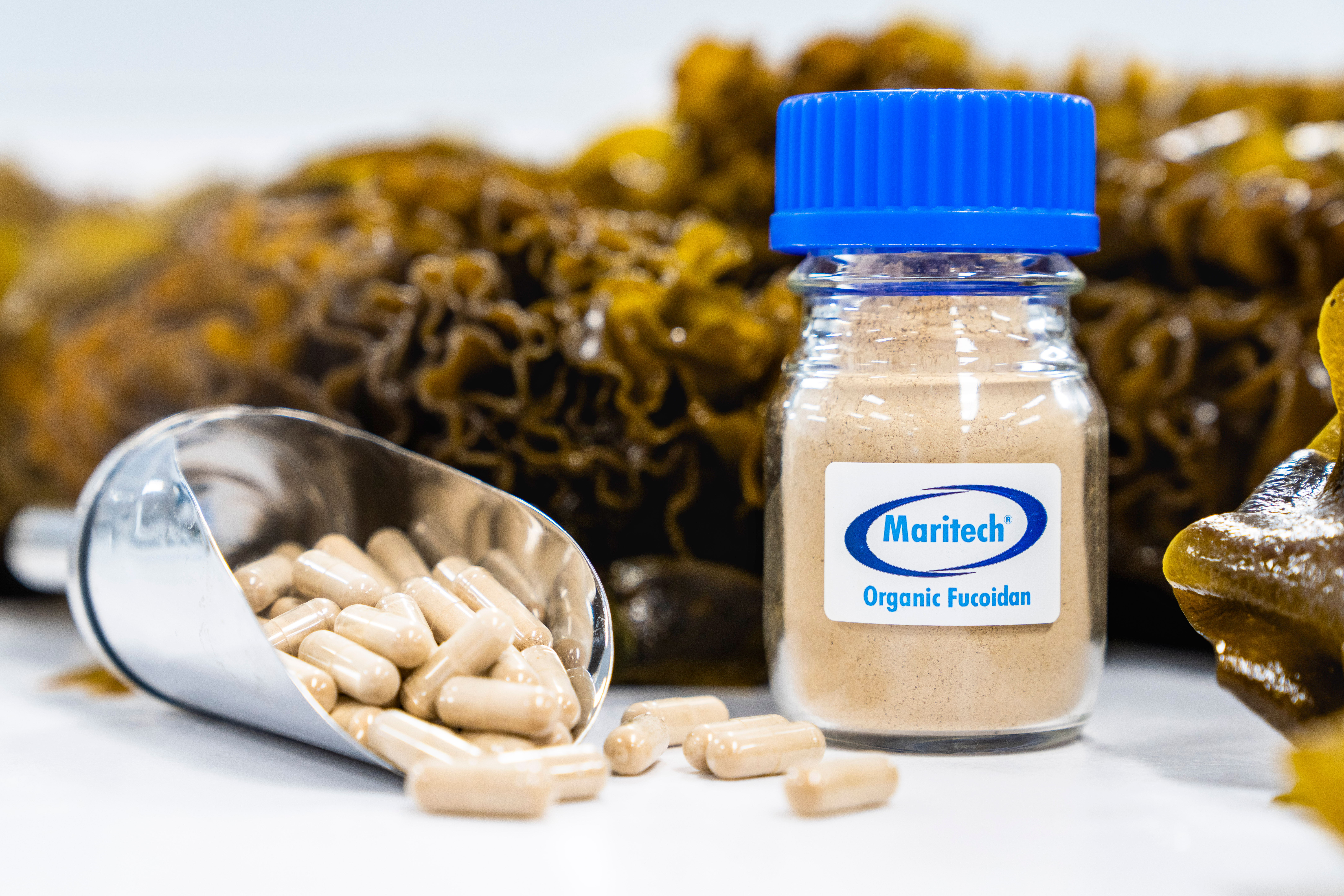
Fucoidan leader reports record production
22 Jan 2026
The global leader in fucoidan science, Marinova Pty Ltd, reported record annual fucoidan production for 2025. The company's total production volume has more than doubled over the past three years.
Read more
India Honours Ashwagandha with Commemorative Postal Stamp at WHO Global Summit
6 Jan 2026
HYDERABAD, December 20, 2025 – India’s Prime Minister Mr. Narendra Modi, alongside WHO Director-General Dr. Tedros Adhanom Ghebreyesus, released a commemorative postal stamp honoring ashwagandha at the recently concluded Second WHO Global Traditional...
Read more
PharmaLinea delivers actionable 2026 insights at the first ever NutraLoop™ Summit
22 Dec 2025
PharmaLinea held its first-ever NutraLoop™ Summit this December. The virtual event featured 12 speakers from companies such as IQVIA, NHCO, Radicle Science, and BeyondBrands, who provided comprehensive insights across the scientific and commercia...
Read more
FrieslandCampina strengthens its global protein position with acquisition of Wisconsin Whey Protein
11 Dec 2025
Royal FrieslandCampina N.V. intends to acquire Wisconsin Whey Protein, a respected producer of whey protein isolates in the United States. Wisconsin Whey Protein will become part of FrieslandCampina Ingredients, a global leader in proteins and prebioti...
Read more
dsm-firmenich names ‘Frosted Star Anise’ as Flavor of the Year 2026, capturing a global desire for warmth and freshness
11 Dec 2025
Kaiseraugst (Switzerland), Maastricht (Netherlands), December 5, 2025 dsm-firmenich, innovators in nutrition, health, and beauty, announces ‘Frosted Star Anise’ as its Flavor of the Year for 2026. This...
Read more
Balchem Makes Strategic Investment in U.S. Food Ingredients Market with New Microencapsulation Manufacturing Facility
11 Dec 2025
Montvale, New Jersey, (10 December, 2025) – Balchem, a leading global manufacturer of specialty ingredients for human nutrition and health, is pleased to announce the development of a new, high-capacity man...
Read more
Fucoidan specialist takes out top international health award
4 Dec 2025
Marinova has been named Australia's most outstanding contributor to international health in the nation's prestigious Australian Export Awards.
Read more