
Ingredients Categories
Finished Products
Finished Food Categories
- Bakery
- Beverages / Juices
- Cereal and grain products
- Confectionery
- Cooking Fats & Oils
- Dairy
- Egg products
- Fruits & Vegetables
- Infant & Baby food
- Meat, Poultry & Fish
- Nuts & Seeds products
- Other Finished Food Categories
- Pet Food
- Plant-based foods
- Prepared foods
- Sauces & Seasonings
- Sweet & Savoury Spreads
Specialised Finished Products
- Bee products
- Biotic products
- Dietary supplements
- Energy drinks
- Functional beverages
- Functional confectionery
- Functional food
- Functional powders
- Meal replacement products
- Nutricosmetics
- Other Specialised Finished Products
- Pet Dietary Supplements
- Pharma and OTC products
- Protein products
- Sugar replacers / Sweeteners
Health & Wellness Areas
Delivery Formats
Operations & Services
- 3D printing
- Analysis/ Testing
- Auditing & certifications
- Blending & mixing
- Bottling
- Certification
- Clinical trials
- Co-packing
- Coating
- Consulting
- Contract manufacturing
- Drying
- Electrospinning
- Encapsulating
- Enzymatic processing
- Extracting
- Extrusion
- Fat structuring
- Fermentation
- Filling
- Flavour development
- Freeze drying
- Granulating/ grinding/ milling / mixing
- High-pressure processing
- Labelling
- Other Operations & Services
- Packaging
- Packet filling
- Pasturising
- Quality assurance
- Saccharification
- Shear cell processing
- Spray drying
- Sterilisation
- Storage & Logistics
- Tabletting
- Toasting / roasting
- Ultra-high temperature processing
Sponsored Content
NEVEAH LIMITED: PRODUCTION AND TRADE OF NIGERIAN SPICES, NUTS & SEEDS
26 Oct 2022
Rapid global changes have resulted in growing demand for export & usage of Nigerian spices, herbs & seeds. Neveah Limited remains your best supplier while being compliant with industry standards.
Spices could be seed, fruit, root, bark, berry, bud, or vegetable substances primarily used for flavouring, colouring or preserving food. They may have other uses, including medicinal, religious ritual, cosmetics, or perfume production, or as a vegetable. Spices are popular among Nigerians; it reflects our country’s rich and extensive culinary history as well as its vast natural resources when it comes to herbs and seeds.
Nuts and seeds also form a very important part of our diet. They are both of different types and have different categories. Some nuts come from fruits, appearing as the seed, while others grow by themselves. Seeds can also grow by themselves while most other seeds may be embedded in fruits or vegetables. Whatever the case, Nigeria is blessed with several nuts and seeds which are of both nutritional and economic benefits amongst other uses. As with most of Africa, Nigeria’s food culture bears the marks of colonialism and trade with other parts of Africa. These are also reflected in the varied palette of flavours that show up in recipes from the West African Nation.
.jpg)
Production and farming
In Nigeria, most of the spices grow in the wild. The spices are generally found in the forest (including mangrove and rainforest), Dried Savanna, Guinea Savanna, and Sudan Savanna. The bulk of the spices identified in Nigeria are found in the Southern rainforest zone of the country, while others such as garlic and ginger are found predominantly in the dry Northern zone. Domesticated spices in Nigeria are cultivated mostly as mixed crops, with most staple crops under rain-fed or irrigated conditions. Nigerian farmers cultivate spices such as Curry (Murraya koenigii), Ginger (Zingiber officinale), Garlic (Allium), and Turmeric (Curcuma longa) among others. There is large scale farming of spices and herbs while others are mostly in the wild. About 48% of indigenous spices have not been domesticated and are harvested from the wild. Some of these products are of great export value while there are still a few that are mostly consumed locally.
The production and farming of nuts and seeds on the other hand, are peculiar to different areas of the country, where some of them thrive better and during their respective seasons. Just like with the spices, there are still a few nuts and seeds that remain available almost all-year round. Nigerian farmers cultivate nuts and seeds such as Cashew nuts (Anacardium occidentale), Sesame seeds (Sesamum indicum), Kolanuts (Cola nitida), and Pumpkin seeds (Pepitas) amongst others for both local and international uses. A few of these products are briefly described below.
Ginger is one of the most beloved spices in Nigeria and it’s also one of the crops that plays a significant role in the Nigerian economy. Nigeria is the leading producer of ginger in Africa and the fourth largest producer in the world, as annually, 160,000 tonnes are produced. Nigerian dried split ginger is preferred in the international market for reasons such as a guarantee of consistent supply, with an annual production of more than 522,000 metric tonnes; Ginger from Nigeria is extremely tasteful. Our products are renowned for its pungency and high levels of oleoresin oil which provide added flavours to food; Competitive prices and an assurance of adherence to food safety standards are guaranteed from a company such as Neveah Limited; We can produce and export several forms and varieties of ginger throughout the year, even though the main season is around October to June. However, dried-split and crushed ginger are known to have greater longevity.
Hibiscus flower and siftings is grown mainly in the northern part of Nigeria all-year round, but the major export season is from October to March. Hibiscus flower is used in making a special type of tea, refreshing drinks, medicinal purposes, and in the production of jellies, jams, fruit pastes, syrups, and more. It is majorly exported dried and as siftings, which are the broken pieces that has been separated from the whole flower during cleaning and sorting.
Cocoa beans in Nigeria are produced and supplied between October and June. Nigeria is a leading player in the global cocoa industry, as the fourth largest exporter of this product in the world. Our cocoa boasts excellent qualities such as good bean count, low slatey, low mould, and strong aromatic and smoother flavour. It is farmed in large scale in different regions of the country, guaranteeing supply. Besides it’s economic importance and well-known uses in food and beverage production, cocoa is also known for nutritional and health benefits such as antidepressant, antioxidant, for cardiovascular health, as an energy booster and for weight loss.
Sesame seeds, also known as Benne seeds in Nigeria, is majorly grown in the northern and middle-belt regions of the country such as in Kano, Maiduguri, Bauchi and Benue states. Our sesame is of high quality, with a relatively high oil content of 48% minimum, which significantly promotes health among other benefits. There are different types, such as white and brown sesame seeds. Nigeria is one of the top global producers and exporters of sesame seeds, being the 7th largest producer worldwide with many years of very stable production.
Our product offerings
Neveah Limited is known for its export of standard and quality commodities, and this is no different for the trade of our agro commodities. Topping the list of agro commodities we supply, we trade on seeds and spices such as dried split ginger, dried hibiscus flower, natural white sesame seeds and cocoa beans described above. We buy from a wide range of farmers, who we also provide with inputs and agronomic training. We then process, package and store the products in our facilities/warehouses in Kaduna. Please visit us for more information on our products.
Companies mentioned


Get more of our news on Google
Set Ingredients Network as a 'Preferred Source' to get quicker access to the news you value.
Related news

A new standard for omega-3 experience
13 Apr 2026
Omega-3 quality is no longer just about purity or concentration. Senses™ by Naturmega delivers ultra-pure, sensory-optimised omega-3 with no taste, no odour, and improved stability.
Read more
PharmaLinea’s iron supplement delivers improvements in hemoglobin comparable to ferrous sulfate with fewer side effects
23 Feb 2026
PharmaLinea, a Slovenian developer and manufacturer of private label food supplements, has announced the completion of a clinical study evaluating its finished formulation for iron deficiency.
Read more
LomaChelateX® – power in magnesium bisglycinate
12 Feb 2026
Gentle and effective: magnesium bisglycinate is setting a new standard. Through its LomaChelateX® brand, Dr. Paul Lohmann® delivers magnesium bisglycinate and a broad range of fully reacted mineral bisglycinates made in Germany.
Read more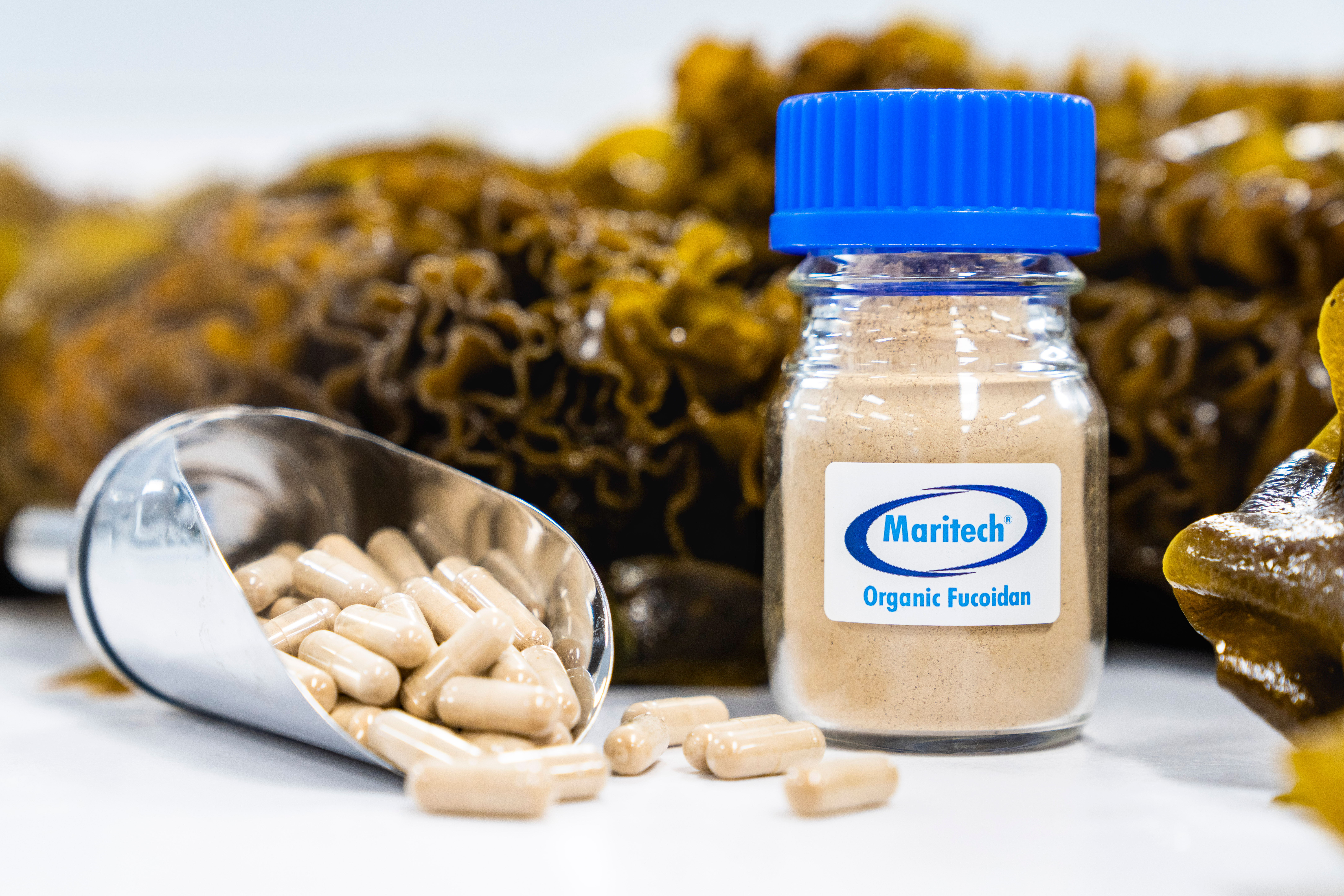
Fucoidan leader reports record production
22 Jan 2026
The global leader in fucoidan science, Marinova Pty Ltd, reported record annual fucoidan production for 2025. The company's total production volume has more than doubled over the past three years.
Read more
India Honours Ashwagandha with Commemorative Postal Stamp at WHO Global Summit
6 Jan 2026
HYDERABAD, December 20, 2025 – India’s Prime Minister Mr. Narendra Modi, alongside WHO Director-General Dr. Tedros Adhanom Ghebreyesus, released a commemorative postal stamp honoring ashwagandha at the recently concluded Second WHO Global Traditional...
Read more
PharmaLinea delivers actionable 2026 insights at the first ever NutraLoop™ Summit
22 Dec 2025
PharmaLinea held its first-ever NutraLoop™ Summit this December. The virtual event featured 12 speakers from companies such as IQVIA, NHCO, Radicle Science, and BeyondBrands, who provided comprehensive insights across the scientific and commercia...
Read more
FrieslandCampina strengthens its global protein position with acquisition of Wisconsin Whey Protein
11 Dec 2025
Royal FrieslandCampina N.V. intends to acquire Wisconsin Whey Protein, a respected producer of whey protein isolates in the United States. Wisconsin Whey Protein will become part of FrieslandCampina Ingredients, a global leader in proteins and prebioti...
Read more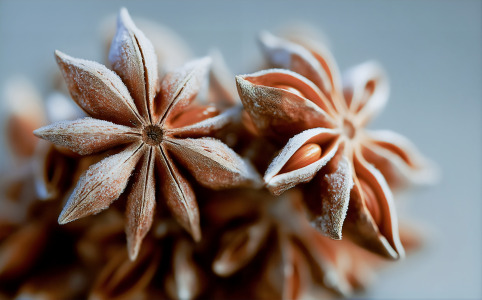
dsm-firmenich names ‘Frosted Star Anise’ as Flavor of the Year 2026, capturing a global desire for warmth and freshness
11 Dec 2025
Kaiseraugst (Switzerland), Maastricht (Netherlands), December 5, 2025 dsm-firmenich, innovators in nutrition, health, and beauty, announces ‘Frosted Star Anise’ as its Flavor of the Year for 2026. This...
Read more
Balchem Makes Strategic Investment in U.S. Food Ingredients Market with New Microencapsulation Manufacturing Facility
11 Dec 2025
Montvale, New Jersey, (10 December, 2025) – Balchem, a leading global manufacturer of specialty ingredients for human nutrition and health, is pleased to announce the development of a new, high-capacity man...
Read more
Fucoidan specialist takes out top international health award
4 Dec 2025
Marinova has been named Australia's most outstanding contributor to international health in the nation's prestigious Australian Export Awards.
Read more