
Ingredients Categories
Finished Products
Finished Food Categories
- Bakery
- Beverages / Juices
- Cereal and grain products
- Confectionery
- Cooking Fats & Oils
- Dairy
- Egg products
- Fruits & Vegetables
- Infant & Baby food
- Meat, Poultry & Fish
- Nuts & Seeds products
- Other Finished Food Categories
- Pet Food
- Plant-based foods
- Prepared foods
- Sauces & Seasonings
- Sweet & Savoury Spreads
Specialised Finished Products
- Bee products
- Biotic products
- Dietary supplements
- Energy drinks
- Functional beverages
- Functional confectionery
- Functional food
- Functional powders
- Meal replacement products
- Nutricosmetics
- Other Specialised Finished Products
- Pet Dietary Supplements
- Pharma and OTC products
- Protein products
- Sugar replacers / Sweeteners
Health & Wellness Areas
Delivery Formats
Operations & Services
- 3D printing
- Analysis/ Testing
- Auditing & certifications
- Blending & mixing
- Bottling
- Certification
- Clinical trials
- Co-packing
- Coating
- Consulting
- Contract manufacturing
- Drying
- Electrospinning
- Encapsulating
- Enzymatic processing
- Extracting
- Extrusion
- Fat structuring
- Fermentation
- Filling
- Flavour development
- Freeze drying
- Granulating/ grinding/ milling / mixing
- High-pressure processing
- Labelling
- Other Operations & Services
- Packaging
- Packet filling
- Pasturising
- Quality assurance
- Saccharification
- Shear cell processing
- Spray drying
- Sterilisation
- Storage & Logistics
- Tabletting
- Toasting / roasting
- Ultra-high temperature processing
Sponsored Content
Novozymes invests in UV technology from Danish Lyras
9 Sep 2025Global enzyme producer Novonesis has adopted a new UV-based filtration system from Danish company Lyras, replacing labor-intensive and energy-consuming filtration methods with raslysation technology. After extensive testing, Novonesis has installed its first system at its Kalundborg facility.
The biotech group Novonesis has bought in a new and energy-friendly filtration replacement from Danish Lyras. Following a thorough test course, the group has purchased its first UV system based on the raslysation technology for inactivation of microorganisms. Raslysation is going to improve work environment and reduce energy consumption for the global market leader in industrial enzymes.
Novonesis’ new raslysation system from Lyras is going to replace labor-intensive filtration processes that previously caused physical strain on the company’s employees in connection with manual handling of filters. At the same time, the investment is expected to provide increased safety with regards to unwanted microbiology and reduced energy consumption.
“As several enzymes cannot withstand high temperatures, today we use classic depth-filtration to remove the bioburden in our products. For that reason, our employees replace heavy sets of filter plates daily as part of the purification process for the finished enzyme concentrate. Raslysation relieves us from this procedure. Simultaneously, we gain even more control of unwanted microbial activity in our processes. We also expect to see a difference in our energy bill. All things considered, raslysation fits into Novonesis’ green strategy in every way,” explains Steen Skaerbaek, Senior Director at Novonesis. He continues:
“Once the UV technology provides the expected results at Novonesis’ location in Kalundborg, the next logistical step will be to install Lyras’ UV technology at several of our global strategic sites, that produce high-value enzymes and proteins for the food industry.”
Kudos to Novonesis for investing in new green technology “You have to give big, recognized companies like Novonesis props for leading by example and integrating new and green technologies. Novonesis has been a fantastic partner in the process of testing and designing the optimal solution. We are proud that together we have created the basis for a system that a company with Novonesis’ high level of research would want to invest in and use globally in future,” says Lyras CTO Nete Zarp Nielsen.
Novonesis is also pleased with the joint development and testing process that precedes the purchase:
“It has been a pleasure working with Lyras. The company is skillful, attentive and innovative, and fits perfectly into Novonesis’ culture of development. Together we attain the microbial reduction, which a responsible food producer is obliged to constantly optimize and improve on,” says Steen Skaerbaek.
Microbial control over 45,000 liters per hour Novonesis’ new raslysation system will be able to treat 45,000 liters of industrial enzyme liquid per hour. Raslysation is a non-thermal treatment technology based on UV that inactivates microorganisms and at the same time is gentle on enzymes, proteins, amino acids, and vitamins. You achieve higher quality, increased safety, improved production flow, less cleaning and waste as well as better utilization of resources such as energy.
Raslysation can also be used as a substitute for pasteurization of foods such as brine, whey, juice, iced tea, and many other liquids.
Facts about Lyras and raslysation Lyras has developed the groundbreaking raslysation technology, which inactivates microorganisms in drinks and other opaque liquids by way of UV light. The technique is far less energy-intensive compared to traditional pasteurization and filtration methods. Consequently, raslysation saves between 60 and 90 percent of the energy, and 60 to 80 percent of the water that traditional pasteurization requires. If, for instance, a dairy which produces 40 Tonnes of whey per hour, were to switch from traditional pasteurization to raslysation, it would, based on the EU average, emit 519 Tonnes CO2 less per year. That corresponds to the energy consumption of driving 164 times around the world in an ordinary family car.
Raslysation uses a UV light source combined with a light filter that concentrates a specific type of UV light. The liquid is directed past the light source in a controlled movement so that the entire liquid is illuminated. This technique effectively inactivates microorganisms. At the same time, more of the natural taste, vitamins and proteins are preserved. The technique can be applied to a range of liquid foods and fluids.
Companies mentioned
Related categories

Get more of our news on Google
Set Ingredients Network as a 'Preferred Source' to get quicker access to the news you value.
Related news
A new standard for omega-3 experience
13 Apr 2026
Omega-3 quality is no longer just about purity or concentration. Senses™ by Naturmega delivers ultra-pure, sensory-optimised omega-3 with no taste, no odour, and improved stability.
Read more
PharmaLinea’s iron supplement delivers improvements in hemoglobin comparable to ferrous sulfate with fewer side effects
23 Feb 2026
PharmaLinea, a Slovenian developer and manufacturer of private label food supplements, has announced the completion of a clinical study evaluating its finished formulation for iron deficiency.
Read more
LomaChelateX® – power in magnesium bisglycinate
12 Feb 2026
Gentle and effective: magnesium bisglycinate is setting a new standard. Through its LomaChelateX® brand, Dr. Paul Lohmann® delivers magnesium bisglycinate and a broad range of fully reacted mineral bisglycinates made in Germany.
Read more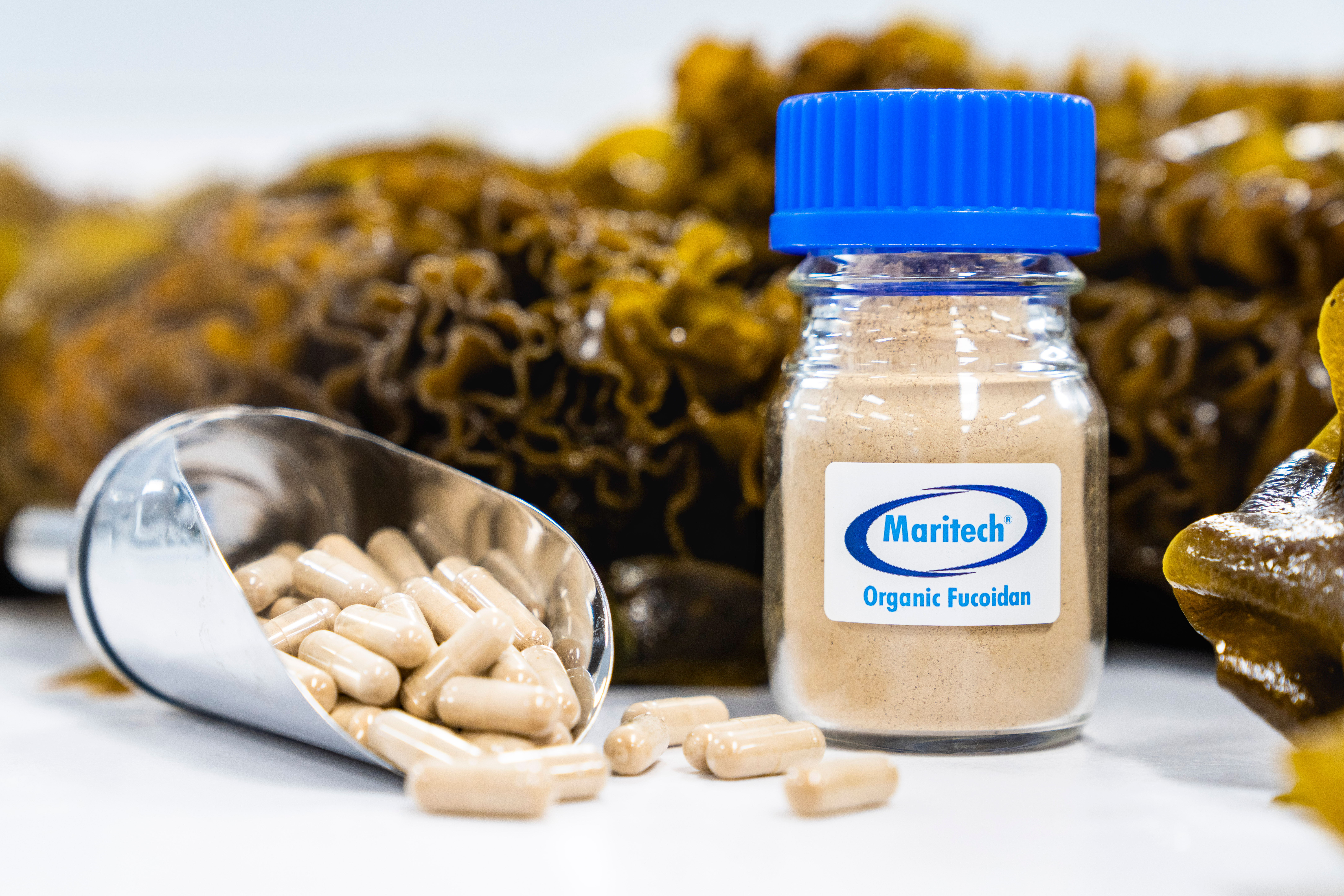
Fucoidan leader reports record production
22 Jan 2026
The global leader in fucoidan science, Marinova Pty Ltd, reported record annual fucoidan production for 2025. The company's total production volume has more than doubled over the past three years.
Read more
India Honours Ashwagandha with Commemorative Postal Stamp at WHO Global Summit
6 Jan 2026
HYDERABAD, December 20, 2025 – India’s Prime Minister Mr. Narendra Modi, alongside WHO Director-General Dr. Tedros Adhanom Ghebreyesus, released a commemorative postal stamp honoring ashwagandha at the recently concluded Second WHO Global Traditional...
Read more
PharmaLinea delivers actionable 2026 insights at the first ever NutraLoop™ Summit
22 Dec 2025
PharmaLinea held its first-ever NutraLoop™ Summit this December. The virtual event featured 12 speakers from companies such as IQVIA, NHCO, Radicle Science, and BeyondBrands, who provided comprehensive insights across the scientific and commercia...
Read more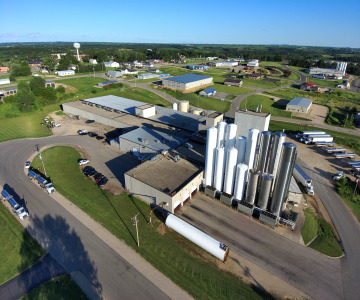
FrieslandCampina strengthens its global protein position with acquisition of Wisconsin Whey Protein
11 Dec 2025
Royal FrieslandCampina N.V. intends to acquire Wisconsin Whey Protein, a respected producer of whey protein isolates in the United States. Wisconsin Whey Protein will become part of FrieslandCampina Ingredients, a global leader in proteins and prebioti...
Read more
dsm-firmenich names ‘Frosted Star Anise’ as Flavor of the Year 2026, capturing a global desire for warmth and freshness
11 Dec 2025
Kaiseraugst (Switzerland), Maastricht (Netherlands), December 5, 2025 dsm-firmenich, innovators in nutrition, health, and beauty, announces ‘Frosted Star Anise’ as its Flavor of the Year for 2026. This...
Read more
Balchem Makes Strategic Investment in U.S. Food Ingredients Market with New Microencapsulation Manufacturing Facility
11 Dec 2025
Montvale, New Jersey, (10 December, 2025) – Balchem, a leading global manufacturer of specialty ingredients for human nutrition and health, is pleased to announce the development of a new, high-capacity man...
Read more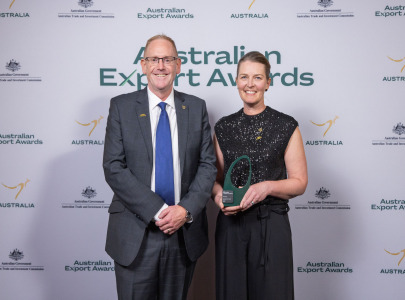
Fucoidan specialist takes out top international health award
4 Dec 2025
Marinova has been named Australia's most outstanding contributor to international health in the nation's prestigious Australian Export Awards.
Read more