
Ingredients Categories
Finished Products
Finished Food Categories
- Bakery
- Beverages / Juices
- Cereal and grain products
- Confectionery
- Cooking Fats & Oils
- Dairy
- Egg products
- Fruits & Vegetables
- Infant & Baby food
- Meat, Poultry & Fish
- Nuts & Seeds products
- Other Finished Food Categories
- Pet Food
- Plant-based foods
- Prepared foods
- Sauces & Seasonings
- Sweet & Savoury Spreads
Specialised Finished Products
- Bee products
- Biotic products
- Dietary supplements
- Energy drinks
- Functional beverages
- Functional confectionery
- Functional food
- Functional powders
- Meal replacement products
- Nutricosmetics
- Other Specialised Finished Products
- Pet Dietary Supplements
- Pharma and OTC products
- Protein products
- Sugar replacers / Sweeteners
Health & Wellness Areas
Delivery Formats
Operations & Services
- 3D printing
- Analysis/ Testing
- Auditing & certifications
- Blending & mixing
- Bottling
- Certification
- Clinical trials
- Co-packing
- Coating
- Consulting
- Contract manufacturing
- Drying
- Electrospinning
- Encapsulating
- Enzymatic processing
- Extracting
- Extrusion
- Fat structuring
- Fermentation
- Filling
- Flavour development
- Freeze drying
- Granulating/ grinding/ milling / mixing
- High-pressure processing
- Labelling
- Other Operations & Services
- Packaging
- Packet filling
- Pasturising
- Quality assurance
- Saccharification
- Shear cell processing
- Spray drying
- Sterilisation
- Storage & Logistics
- Tabletting
- Toasting / roasting
- Ultra-high temperature processing
Sponsored Content
Roquette Unlocks the Power of Flexibility with Launch of New LYCAGEL® Flex Softgel Capsule Shell System
11 Jun 2024
Roquette Pharma Solutions, stand K148, Vitafoods Europe, Geneva, Switzerland, 14-16 May 2024
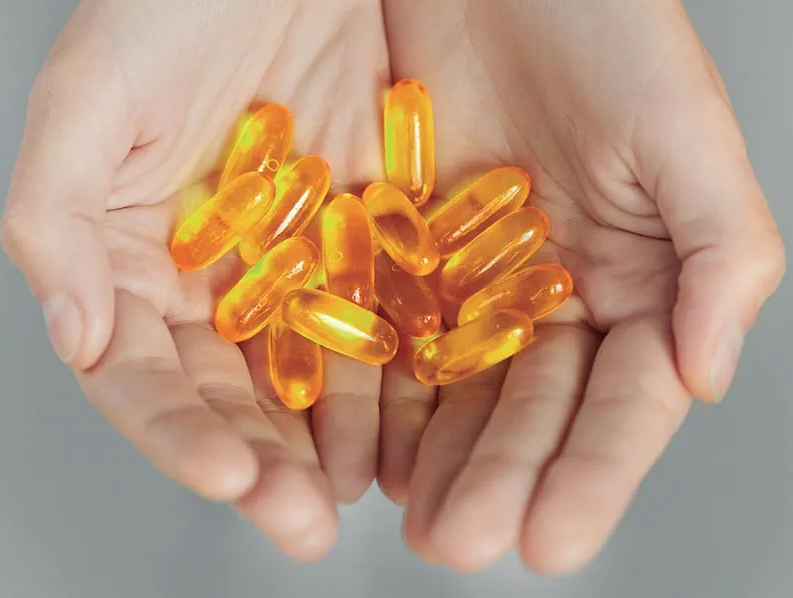
La Madeleine, France – May 14, 2024. Roquette, a global leader in plant-based ingredients and a leading provider of pharmaceutical and nutraceutical excipients, is pleased to announce the launch of its new LYCAGEL® Flex hydroxypropyl pea starch premix for nutraceutical and pharmaceutical softgel capsules. Built on Roquette’s market-first LYCAGEL® pea starch technology, the new plasticizer-free excipient gives manufacturers freedom to select the optimal plasticizer combination and customize formulations for a range of production and end-user needs, while setting new standards in quality, stability and performance for plant-based softgels.
Unlocking the power of flexibility
Gelatin-based softgel capsules are a long-standing staple across the nutraceutical and pharmaceutical industries thanks to their widespread patient acceptance, safety profile and mechanical stability. Despite their popularity, however, these dosage forms can be challenging to manufacture successfully. Interactions with specific fill types, molecular crosslinking and sensitivity to heat and moisture during storage may compromise the stability of gelatin-based capsules, leaving patients with sticky, deformed, or ineffective medicines and supplements. These issues are compounded when working with more advanced formulations. Here, manufacturers must precisely balance the ratio of gelatin to plasticizers, such as glycerol or sorbitol, to ensure optimal shell elasticity without increasing the risk of capsule leakage or other defects. What’s more, as a growing number of consumers pursue vegetarian, vegan or flexitarian diets, animal-derived ingredients, like gelatin, are becoming less of a universally accepted standard.
LYCAGEL® Flex represents the ultimate solution for manufacturers seeking a quality, plant-based alternative to gelatin, with the added flexibility to handle a wide range of – often complex – soft capsule formulations. The new premix features the same hydroxypropyl pea starch and carrageenan foundation as the original LYCAGEL® VS 720 Premix, with a new formula that allows producers to select the perfect plasticizer or combination of plasticizers for truly unique softgel formulations. Versatile and easy to use, LYCAGEL® Flex offers countless opportunities to work with specialized capsule fills and process parameters to meet the demands of the evolving pharmaceutical and nutraceutical markets.
“At Roquette, our guiding purpose is to solve the toughest challenges in drug delivery,” comments Steve Amoussou-Guenou, Technical Developer Manager Europe at Roquette. “This can take many forms; with the development of our LYCAGEL® VS 720 Premix, the primary goal was to provide softgel producers with a high-quality ready-to-use alternative to gelatin. Now, as vegan capsules become more established, we recognize that our customers need greater control to customize their formulations. LYCAGEL® Flex is the answer, offering the same stability and performance with the added flexibility to differentiate.”
Firmer, better, faster, stronger
Similar to its predecessor, LYCAGEL® Flex offers softgel producers a plant-based solution that not only replaces gelatin, but equally offers significant process benefits. These include a reduced degassing time of just five minutes, versus the minimum 60 required for gelatin formulations, and the potential for easy equipment cleaning with only hot water.
Looking beyond the production line, the new premix delivers market-leading performance and stability throughout a product’s shelf life. Upon testing, capsules produced using LYCAGEL® Flex maintained a clear, shiny appearance and optimal hardness with no sticking or seal leakage following six months of storage at 40° C and 75% relative humidity (RH).[1]With no significant increase in disintegration time or water content after months in storage, the capsules did not display crosslinking, demonstrating their ability to maintain the same mechanical strength and capsule integrity at day 180, as they had directly after the production process. These results taken together with Roquette’s dedicated technical and on-site support make LYCAGEL® Flex the ideal solution for crafting strong, stable plant-based softgels that deliver for producers and patients alike.
To learn more about Roquette and its comprehensive range of solutions for pharmaceutical and nutraceutical formulations, visit: www.roquette.com.
[1] Roquette Pharma Solutions, Internal data study, 2024, Customer Technical Services
Companies mentioned


Get more of our news on Google
Set Ingredients Network as a 'Preferred Source' to get quicker access to the news you value.
Related news
A new standard for omega-3 experience
13 Apr 2026
Omega-3 quality is no longer just about purity or concentration. Senses™ by Naturmega delivers ultra-pure, sensory-optimised omega-3 with no taste, no odour, and improved stability.
Read more
PharmaLinea’s iron supplement delivers improvements in hemoglobin comparable to ferrous sulfate with fewer side effects
23 Feb 2026
PharmaLinea, a Slovenian developer and manufacturer of private label food supplements, has announced the completion of a clinical study evaluating its finished formulation for iron deficiency.
Read more
LomaChelateX® – power in magnesium bisglycinate
12 Feb 2026
Gentle and effective: magnesium bisglycinate is setting a new standard. Through its LomaChelateX® brand, Dr. Paul Lohmann® delivers magnesium bisglycinate and a broad range of fully reacted mineral bisglycinates made in Germany.
Read more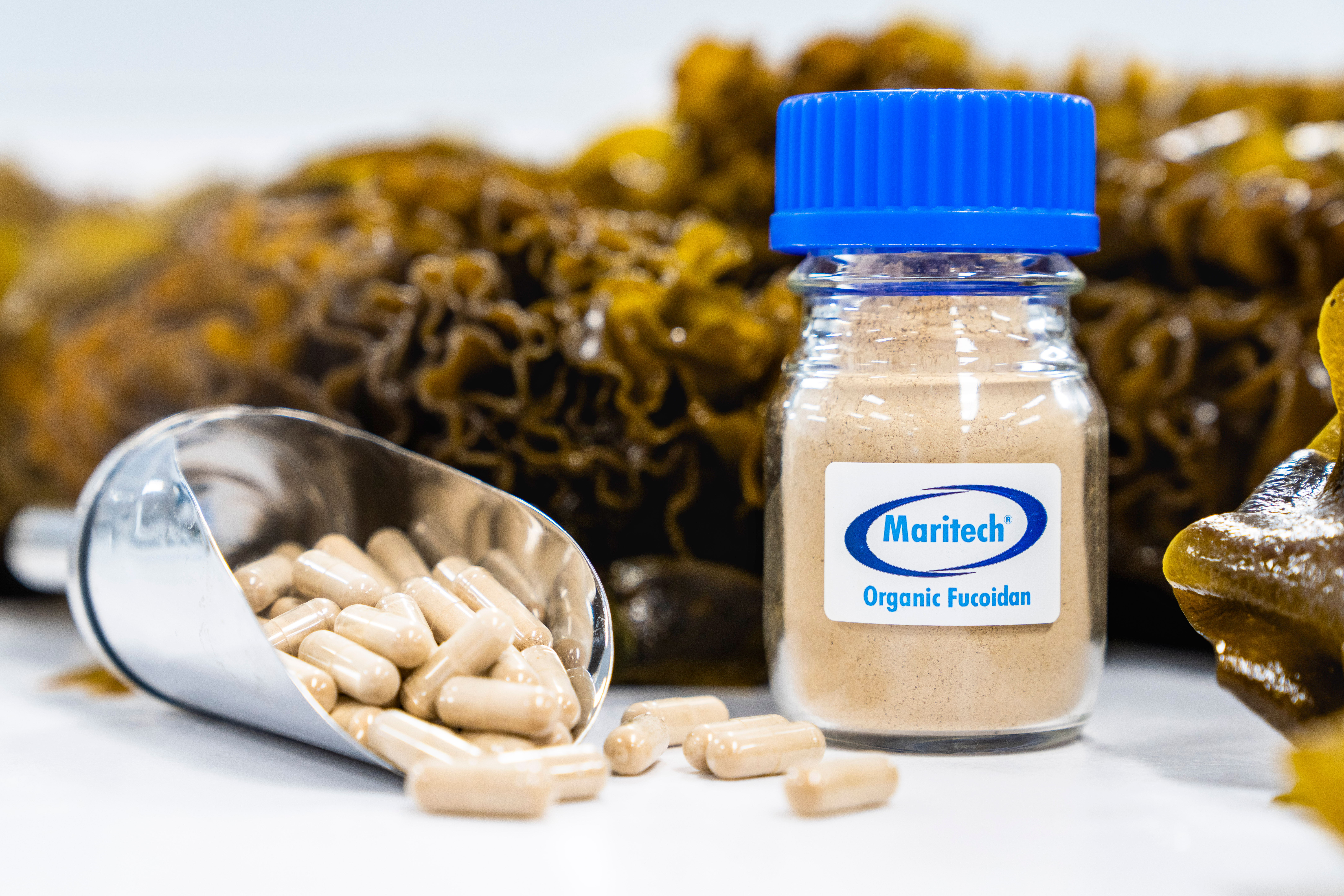
Fucoidan leader reports record production
22 Jan 2026
The global leader in fucoidan science, Marinova Pty Ltd, reported record annual fucoidan production for 2025. The company's total production volume has more than doubled over the past three years.
Read more
India Honours Ashwagandha with Commemorative Postal Stamp at WHO Global Summit
6 Jan 2026
HYDERABAD, December 20, 2025 – India’s Prime Minister Mr. Narendra Modi, alongside WHO Director-General Dr. Tedros Adhanom Ghebreyesus, released a commemorative postal stamp honoring ashwagandha at the recently concluded Second WHO Global Traditional...
Read more
PharmaLinea delivers actionable 2026 insights at the first ever NutraLoop™ Summit
22 Dec 2025
PharmaLinea held its first-ever NutraLoop™ Summit this December. The virtual event featured 12 speakers from companies such as IQVIA, NHCO, Radicle Science, and BeyondBrands, who provided comprehensive insights across the scientific and commercia...
Read more
FrieslandCampina strengthens its global protein position with acquisition of Wisconsin Whey Protein
11 Dec 2025
Royal FrieslandCampina N.V. intends to acquire Wisconsin Whey Protein, a respected producer of whey protein isolates in the United States. Wisconsin Whey Protein will become part of FrieslandCampina Ingredients, a global leader in proteins and prebioti...
Read more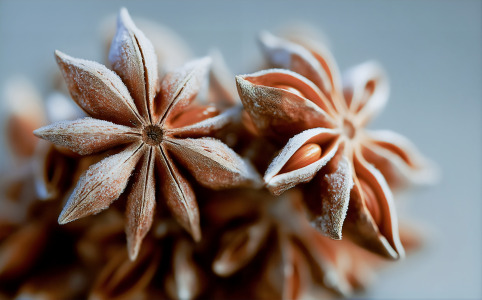
dsm-firmenich names ‘Frosted Star Anise’ as Flavor of the Year 2026, capturing a global desire for warmth and freshness
11 Dec 2025
Kaiseraugst (Switzerland), Maastricht (Netherlands), December 5, 2025 dsm-firmenich, innovators in nutrition, health, and beauty, announces ‘Frosted Star Anise’ as its Flavor of the Year for 2026. This...
Read more
Balchem Makes Strategic Investment in U.S. Food Ingredients Market with New Microencapsulation Manufacturing Facility
11 Dec 2025
Montvale, New Jersey, (10 December, 2025) – Balchem, a leading global manufacturer of specialty ingredients for human nutrition and health, is pleased to announce the development of a new, high-capacity man...
Read more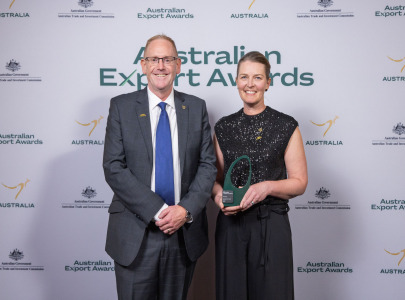
Fucoidan specialist takes out top international health award
4 Dec 2025
Marinova has been named Australia's most outstanding contributor to international health in the nation's prestigious Australian Export Awards.
Read more