
Ingredients Categories
Finished Products
Finished Food Categories
- Bakery
- Beverages / Juices
- Cereal and grain products
- Confectionery
- Cooking Fats & Oils
- Dairy
- Egg products
- Fruits & Vegetables
- Infant & Baby food
- Meat, Poultry & Fish
- Nuts & Seeds products
- Other Finished Food Categories
- Pet Food
- Plant-based foods
- Prepared foods
- Sauces & Seasonings
- Sweet & Savoury Spreads
Specialised Finished Products
- Bee products
- Biotic products
- Dietary supplements
- Energy drinks
- Functional beverages
- Functional confectionery
- Functional food
- Functional powders
- Meal replacement products
- Nutricosmetics
- Other Specialised Finished Products
- Pet Dietary Supplements
- Pharma and OTC products
- Protein products
- Sugar replacers / Sweeteners
Health & Wellness Areas
Delivery Formats
Operations & Services
- 3D printing
- Analysis/ Testing
- Auditing & certifications
- Blending & mixing
- Bottling
- Certification
- Clinical trials
- Co-packing
- Coating
- Consulting
- Contract manufacturing
- Drying
- Electrospinning
- Encapsulating
- Enzymatic processing
- Extracting
- Extrusion
- Fat structuring
- Fermentation
- Filling
- Flavour development
- Freeze drying
- Granulating/ grinding/ milling / mixing
- High-pressure processing
- Labelling
- Other Operations & Services
- Packaging
- Packet filling
- Pasturising
- Quality assurance
- Saccharification
- Shear cell processing
- Spray drying
- Sterilisation
- Storage & Logistics
- Tabletting
- Toasting / roasting
- Ultra-high temperature processing
Sponsored Content
Turn up the heat, turn down plant emissions
30 Sep 2024Electric heating in food processing offers many advantages over more traditional steam or hot oil, making it a sustainable option for manufacturers seeking efficiency and flexibility.
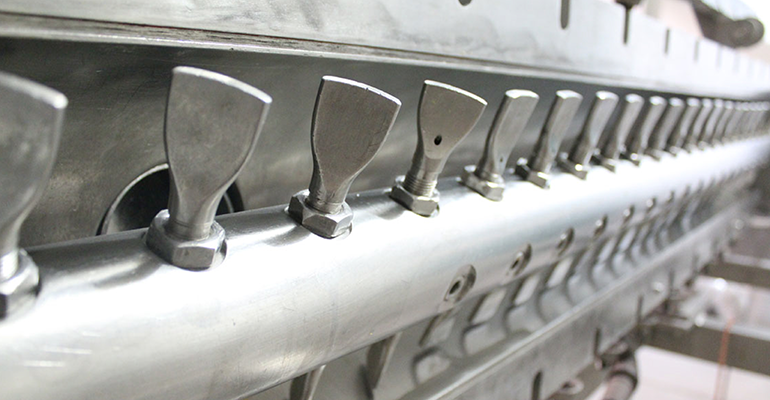
In today’s industrial landscape, sustainability and energy efficiency are driving technological advancements, especially within the food ingredient manufacturing sector. One such development is the increasing adoption of electric heating in indirect thermal processing, replacing traditional combustion-based methods. While steam and hot oil have long been used as heat transfer mediums, electric heating is gaining traction due to its environmental and economic advantages.
But is this shift towards electric heating right for your process? Let’s explore the key factors and considerations for making the switch.
Heat transfer mediums in thermal processing
Indirect thermal processes rely on a heat transfer medium, most commonly steam or hot thermal oil. The heat transfer medium conveys heat via conduction through a vessel wall, never coming in contact with the process materials.
When choosing a heat transfer medium, key considerations include:
- Process temperature requirements.
- Existing utilities and infrastructure.
- Safety and reliability.
- Mechanical and operational needs.
Each medium has its strengths, depending on the specific application.
Traditional mediums: Steam and Hot Oil
- Steam: Widely used due to its excellent heat conduction, steam is ideal for applications requiring temperatures up to 185°C (360°F). It heats and cools quickly, making it suitable for processes with frequent start-stop operations. However, steam systems require boilers, specialized personnel, and regular maintenance. For food manufacturers already equipped with steam systems, the transition might not seem immediately necessary. However, those seeking efficiency improvements or lower emissions should consider alternatives.
- Hot Oil: Capable of reaching up to 350°C (660°F), hot oil systems are often used in applications requiring higher temperatures. While less efficient at conducting heat through metal compared to steam, hot oil’s ability to maintain stable temperatures can enhance certain food processes, especially those that require longer, consistent heating. However, hot oil systems heat and cool slowly, making them less ideal for batch processing common in food manufacturing. They also carry additional safety concerns due to the high temperatures and fire risk.
New medium: Electric Heating
Electric heating is becoming a competitive alternative, especially for food manufacturers looking to reduce emissions and streamline operations. Electric elements can achieve much higher temperatures – up to 800°C (1,600°F) – making them suitable for extreme heat applications. They offer simpler installation, as they do not require the extensive infrastructure of boilers, burners, or pressurized lines.
For food manufacturers, the benefits of electric heating include:
- Lower emissions: Eliminating onsite combustion reduces the environmental footprint.
- Simplified infrastructure: No need for complex piping or steam boilers, reducing installation costs.
- Safety: Electric systems minimize risks associated with fuel combustion.
- Temperature control: Electric elements offer precise control, crucial for maintaining consistency in processes such as drying, crystallization, or pasteurization.
However, electric elements do have a finite lifespan and may require special materials (e.g., exotic alloys) for extreme temperatures. Additionally, they may not be as efficient at conducting heat through metal compared to steam.
How electric heating compares
Here’s a quick comparison of the three mediums:
- Process Temperature Limits:
- Steam: Up to 185°C (360°F).
- Hot oil: Up to 350°C (660°F).
- Electric: Up to 800°C (1,600°F).
- Installation Requirements:
- Steam and hot oil systems require code vessels and certified personnel.
- Electric systems simplify installation with basic wiring and typically avoid complex regulatory requirements.
- Efficiency:
- Steam is the most efficient in conducting heat through metal.
- Electric and hot oil systems can achieve higher temperatures but are less efficient in heat conduction.
- Response Time:
- Steam heats and cools quickly, ideal for batch operations.
- Hot oil and electric systems take longer to heat up and cool down, and are therefore better suited for continuous processes.
Electric heating in food manufacturing
At Bepex, we’ve integrated electric heating into several technologies, offering food manufacturers a pathway to more sustainable and efficient operations. Our Solidaire thin-layer paddle dryer, for example, is fully heated by electric elements, providing precise temperature control essential for delicate food products. Similarly, our PCX Dispersion Flash Dryer can now be equipped with electric heaters for process gas, reducing carbon emissions without sacrificing performance.
Is electric heating right for your process?
For food ingredient manufacturers, switching to electric heating can offer significant advantages, particularly in achieving higher temperatures, reducing emissions, and simplifying installation. However, it’s important to consider the specific needs of your process. While electric heating may not be the best solution for every application, especially in processes that prioritize efficiency over extreme temperature capability, it’s an attractive option for manufacturers aiming to enhance sustainability and operational simplicity.
By partnering with experts who understand both traditional and electric heating systems, food manufacturers can make informed decisions tailored to their unique process requirements.
This piece of content is provided by an advertiser or created on behalf of an advertiser. The views or opinions expressed in this piece of content do not reflect those of Informa.
Companies mentioned

Related categories

Get more of our news on Google
Set Ingredients Network as a 'Preferred Source' to get quicker access to the news you value.
Related news

A new standard for omega-3 experience
13 Apr 2026
Omega-3 quality is no longer just about purity or concentration. Senses™ by Naturmega delivers ultra-pure, sensory-optimised omega-3 with no taste, no odour, and improved stability.
Read more
PharmaLinea’s iron supplement delivers improvements in hemoglobin comparable to ferrous sulfate with fewer side effects
23 Feb 2026
PharmaLinea, a Slovenian developer and manufacturer of private label food supplements, has announced the completion of a clinical study evaluating its finished formulation for iron deficiency.
Read more
LomaChelateX® – power in magnesium bisglycinate
12 Feb 2026
Gentle and effective: magnesium bisglycinate is setting a new standard. Through its LomaChelateX® brand, Dr. Paul Lohmann® delivers magnesium bisglycinate and a broad range of fully reacted mineral bisglycinates made in Germany.
Read more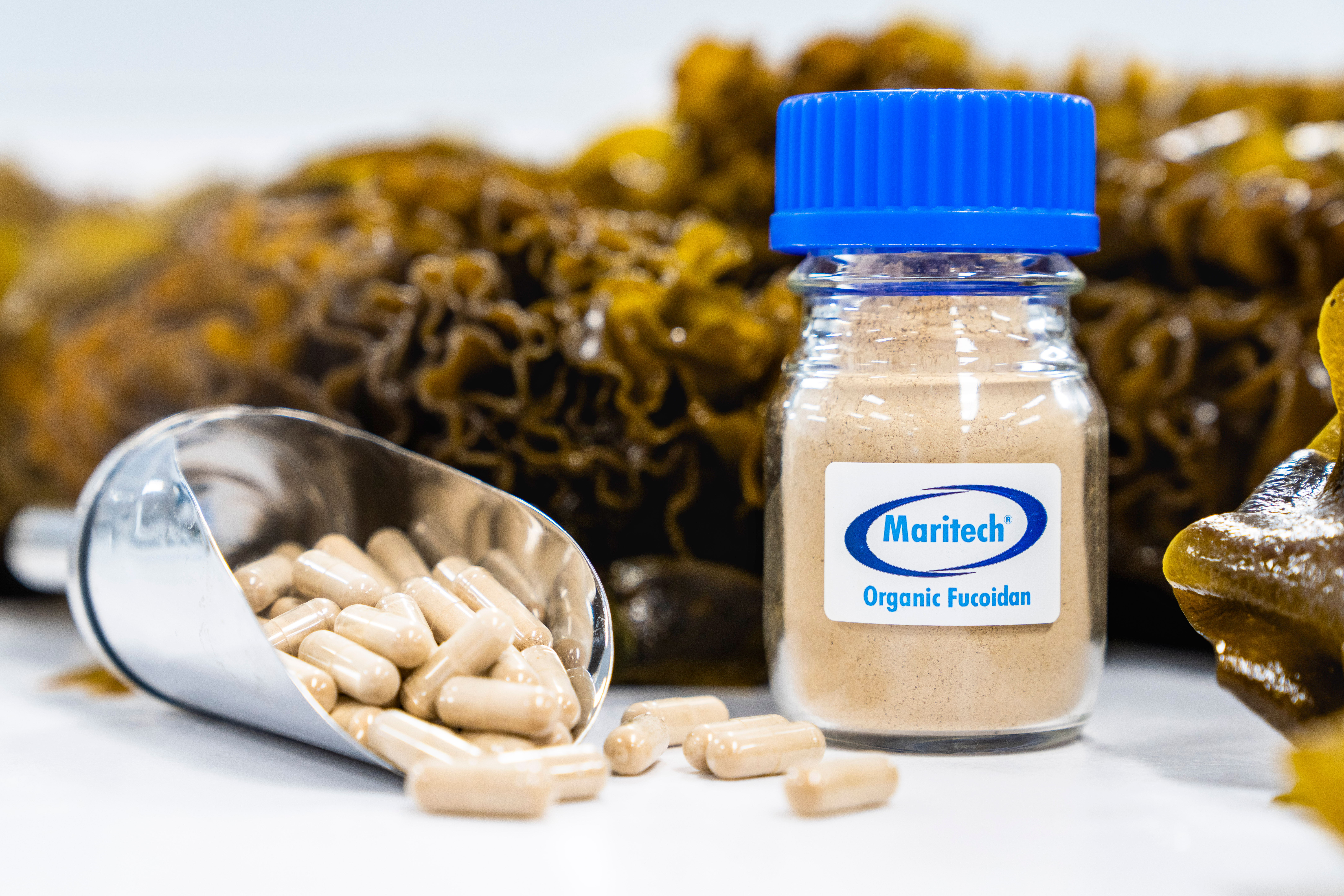
Fucoidan leader reports record production
22 Jan 2026
The global leader in fucoidan science, Marinova Pty Ltd, reported record annual fucoidan production for 2025. The company's total production volume has more than doubled over the past three years.
Read more
India Honours Ashwagandha with Commemorative Postal Stamp at WHO Global Summit
6 Jan 2026
HYDERABAD, December 20, 2025 – India’s Prime Minister Mr. Narendra Modi, alongside WHO Director-General Dr. Tedros Adhanom Ghebreyesus, released a commemorative postal stamp honoring ashwagandha at the recently concluded Second WHO Global Traditional...
Read more
PharmaLinea delivers actionable 2026 insights at the first ever NutraLoop™ Summit
22 Dec 2025
PharmaLinea held its first-ever NutraLoop™ Summit this December. The virtual event featured 12 speakers from companies such as IQVIA, NHCO, Radicle Science, and BeyondBrands, who provided comprehensive insights across the scientific and commercia...
Read more
FrieslandCampina strengthens its global protein position with acquisition of Wisconsin Whey Protein
11 Dec 2025
Royal FrieslandCampina N.V. intends to acquire Wisconsin Whey Protein, a respected producer of whey protein isolates in the United States. Wisconsin Whey Protein will become part of FrieslandCampina Ingredients, a global leader in proteins and prebioti...
Read more
dsm-firmenich names ‘Frosted Star Anise’ as Flavor of the Year 2026, capturing a global desire for warmth and freshness
11 Dec 2025
Kaiseraugst (Switzerland), Maastricht (Netherlands), December 5, 2025 dsm-firmenich, innovators in nutrition, health, and beauty, announces ‘Frosted Star Anise’ as its Flavor of the Year for 2026. This...
Read more
Balchem Makes Strategic Investment in U.S. Food Ingredients Market with New Microencapsulation Manufacturing Facility
11 Dec 2025
Montvale, New Jersey, (10 December, 2025) – Balchem, a leading global manufacturer of specialty ingredients for human nutrition and health, is pleased to announce the development of a new, high-capacity man...
Read more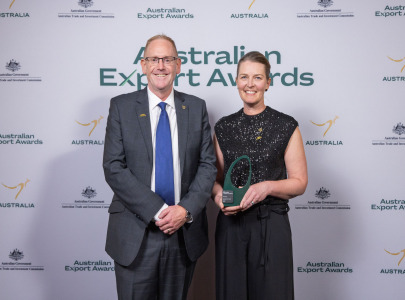
Fucoidan specialist takes out top international health award
4 Dec 2025
Marinova has been named Australia's most outstanding contributor to international health in the nation's prestigious Australian Export Awards.
Read more