
Ingredients Categories
Finished Products
Finished Food Categories
- Bakery
- Beverages / Juices
- Cereal and grain products
- Confectionery
- Cooking Fats & Oils
- Dairy
- Egg products
- Fruits & Vegetables
- Infant & Baby food
- Meat, Poultry & Fish
- Nuts & Seeds products
- Other Finished Food Categories
- Pet Food
- Plant-based foods
- Prepared foods
- Sauces & Seasonings
- Sweet & Savoury Spreads
Specialised Finished Products
- Bee products
- Biotic products
- Dietary supplements
- Energy drinks
- Functional beverages
- Functional confectionery
- Functional food
- Functional powders
- Meal replacement products
- Nutricosmetics
- Other Specialised Finished Products
- Pet Dietary Supplements
- Pharma and OTC products
- Protein products
- Sugar replacers / Sweeteners
Health & Wellness Areas
Delivery Formats
Operations & Services
- 3D printing
- Analysis/ Testing
- Auditing & certifications
- Blending & mixing
- Bottling
- Certification
- Clinical trials
- Co-packing
- Coating
- Consulting
- Contract manufacturing
- Drying
- Electrospinning
- Encapsulating
- Enzymatic processing
- Extracting
- Extrusion
- Fat structuring
- Fermentation
- Filling
- Flavour development
- Freeze drying
- Granulating/ grinding/ milling / mixing
- High-pressure processing
- Labelling
- Other Operations & Services
- Packaging
- Packet filling
- Pasturising
- Quality assurance
- Saccharification
- Shear cell processing
- Spray drying
- Sterilisation
- Storage & Logistics
- Tabletting
- Toasting / roasting
- Ultra-high temperature processing
Sponsored Content
Benefits of using natural antioxidants in food
20 Nov 2025The dietary habits of individuals are undergoing a transformation, with consumers increasingly seeking new, healthier, and higher-quality formulas. This shift signifies a growing awareness of food ingredients, including preservatives, additives, and natural antioxidants in food, as people strive to enhance their health through daily dietary choices.
In this context, within the realm of food additives, natural antioxidants are gaining ground over synthetics due to society’s demand for higher quality daily food intake. Additionally, concerns about synthetic antioxidants are emerging, further highlighting the advantages of incorporating natural alternatives.
However, why opt for natural antioxidants to stabilize fats in food? What characteristics make them a superior alternative to synthetic counterparts? While the concept of natural antioxidants inherently carries a differentiating factor, let’s enumerate some reasons why these additives contribute added value to food production.
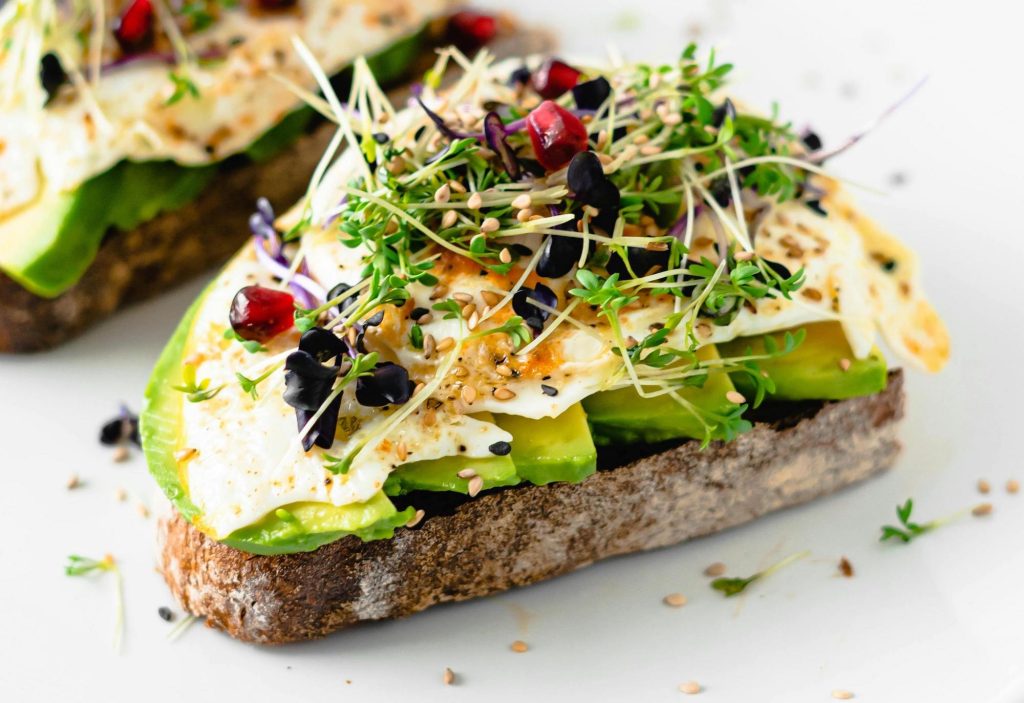
Key reasons to use natural antioxidants in human food
- Highly Effective as Antioxidants: their first and foremost advantage lies in their high efficacy as antioxidants. Various types of natural antioxidants can delay fat oxidation through different methods, such as oxygen extinction, free radical reduction, or antioxidant regeneration, often achieving better results than synthetics. This superiority is supported by studies like the one conducted by Wang et al. (2019).
- Protection during Production Processes: in connection with the above, due to the composition and chemical characteristics of natural antioxidants, they are less volatile and more stable at high temperatures. This resilience allows them to withstand food production processes like frying, cooking, or baking, making them more effective in protecting the final product. This ability to “survive” thermal processing and remain in the final product is known as Carry Through. Furthermore, studies by Smith et al. (2020) validate the claim that natural antioxidants maintain their structural integrity during thermal processes, ensuring greater effectiveness in preserving food.
- More Soluble Than Synthetics: another benefit of natural antioxidants is their tendency to be more soluble than synthetic ones. As an antioxidant cannot reverse the auto-oxidation process but only prevent it, ensuring its distribution in the lipid medium is as homogeneous as possible becomes crucial.
- Oil and Water Solubility: additionally, natural antioxidants exist in both oil-soluble and water-soluble forms, offering flexibility depending on the production process and the product to which they are added. It is common to find preparations in the market with components that allow, for example, the conversion of a liposoluble antioxidant into a water-dispersible ingredient.
- Global Approval: another advantage of natural antioxidants is that they are permitted for use in food in any country worldwide, without facing the limitations or prohibitions imposed by health authorities such as the FDA or EFSA for synthetics.
- No Impact on Color, Taste, or Odor of the Final Product: it is worth noting that certain natural antioxidants, such as Tocopherols or Ascorbic Acid, due to their low usage levels, do not affect the color, taste, or odor of the final product.
- Use in Organic Foods: another distinguishing factor is that some natural antioxidants, like Tocopherols, are permitted for use in organic foods. This is because, thanks to their low usage levels, they do not exceed the limits set for other natural ingredients in these products.
- Effective Blends: moreover, diverse mixtures of natural antioxidants are often found in the market. The combination of two or more antioxidants often works better than the quantitative equivalence of any of them individually, a phenomenon known as Synergism. An example of this is the use of Tocopherols with Rosemary Extract. TOCOBIOL® Blends, the best alternative to Mixed Tocopherols.
- Adding Value as Healthier and Natural Alternatives: finally, there is an observed increase in demand from end consumers. Society is progressing towards healthier habits, increasingly seeking balanced and natural nutrition. Hence, the use of these antioxidants in food production adds significant value compared to synthetic antioxidants.
Applications of natural antioxidants in food
Some of the primary applications of natural antioxidants in food include vegetable oils, animal fats, meat products, lecithins, cereals, nuts, dehydrated potatoes, mineral oils, fish oils, industrial pastries, margarine, powdered milk, dehydrated broths, sauces and soups, canned vegetables, juices, beverages, colorants, vitamin preparations, infant foods, etc.
The future of natural antioxidants
In recent years, the use of natural antioxidants has seen a surge in the food market. This is due to their technological benefits and the increased demand for more natural and less harmful products for the body. This has prompted more companies to opt for these additives to protect their products against oxidation and thus extend their shelf life.
Today, industrial product manufacturing is only possible through the use of additives. In this regard, it is crucial to strive for ingredients that not only fulfill their technological function in the product but also adhere to health standards, are regulated and approved by food authorities, justifying their use to provide consumers with the highest quality food products and the most extensive information.
Tocopherols, as one of the primary natural antioxidants in the food industry, are gaining ground and consolidating their position in the realm of additives. Besides their benefits as antioxidants, they meet all legal and ethical requirements demanded by the industry.
Download our ebook and discover the keys to choosing the ideal antioxidant for your product!
Companies mentioned

Related categories

Get more of our news on Google
Set Ingredients Network as a 'Preferred Source' to get quicker access to the news you value.
Related news
A new standard for omega-3 experience
13 Apr 2026
Omega-3 quality is no longer just about purity or concentration. Senses™ by Naturmega delivers ultra-pure, sensory-optimised omega-3 with no taste, no odour, and improved stability.
Read more
PharmaLinea’s iron supplement delivers improvements in hemoglobin comparable to ferrous sulfate with fewer side effects
23 Feb 2026
PharmaLinea, a Slovenian developer and manufacturer of private label food supplements, has announced the completion of a clinical study evaluating its finished formulation for iron deficiency.
Read more
LomaChelateX® – power in magnesium bisglycinate
12 Feb 2026
Gentle and effective: magnesium bisglycinate is setting a new standard. Through its LomaChelateX® brand, Dr. Paul Lohmann® delivers magnesium bisglycinate and a broad range of fully reacted mineral bisglycinates made in Germany.
Read more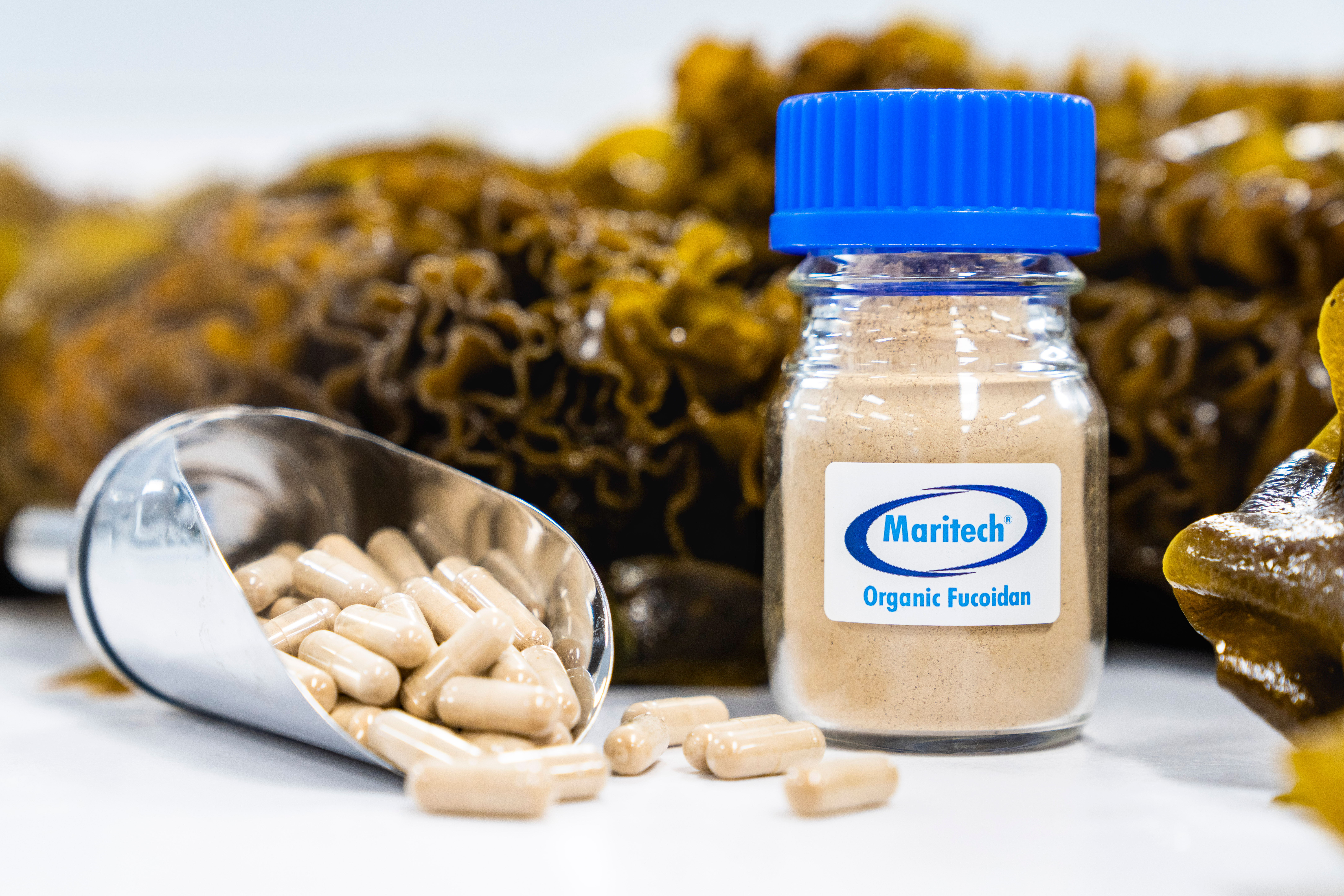
Fucoidan leader reports record production
22 Jan 2026
The global leader in fucoidan science, Marinova Pty Ltd, reported record annual fucoidan production for 2025. The company's total production volume has more than doubled over the past three years.
Read more
India Honours Ashwagandha with Commemorative Postal Stamp at WHO Global Summit
6 Jan 2026
HYDERABAD, December 20, 2025 – India’s Prime Minister Mr. Narendra Modi, alongside WHO Director-General Dr. Tedros Adhanom Ghebreyesus, released a commemorative postal stamp honoring ashwagandha at the recently concluded Second WHO Global Traditional...
Read more
PharmaLinea delivers actionable 2026 insights at the first ever NutraLoop™ Summit
22 Dec 2025
PharmaLinea held its first-ever NutraLoop™ Summit this December. The virtual event featured 12 speakers from companies such as IQVIA, NHCO, Radicle Science, and BeyondBrands, who provided comprehensive insights across the scientific and commercia...
Read more
FrieslandCampina strengthens its global protein position with acquisition of Wisconsin Whey Protein
11 Dec 2025
Royal FrieslandCampina N.V. intends to acquire Wisconsin Whey Protein, a respected producer of whey protein isolates in the United States. Wisconsin Whey Protein will become part of FrieslandCampina Ingredients, a global leader in proteins and prebioti...
Read more
dsm-firmenich names ‘Frosted Star Anise’ as Flavor of the Year 2026, capturing a global desire for warmth and freshness
11 Dec 2025
Kaiseraugst (Switzerland), Maastricht (Netherlands), December 5, 2025 dsm-firmenich, innovators in nutrition, health, and beauty, announces ‘Frosted Star Anise’ as its Flavor of the Year for 2026. This...
Read more
Balchem Makes Strategic Investment in U.S. Food Ingredients Market with New Microencapsulation Manufacturing Facility
11 Dec 2025
Montvale, New Jersey, (10 December, 2025) – Balchem, a leading global manufacturer of specialty ingredients for human nutrition and health, is pleased to announce the development of a new, high-capacity man...
Read more
Fucoidan specialist takes out top international health award
4 Dec 2025
Marinova has been named Australia's most outstanding contributor to international health in the nation's prestigious Australian Export Awards.
Read more