
Ingredients Categories
Finished Products
Finished Food Categories
- Bakery
- Beverages / Juices
- Cereal and grain products
- Confectionery
- Cooking Fats & Oils
- Dairy
- Egg products
- Fruits & Vegetables
- Infant & Baby food
- Meat, Poultry & Fish
- Nuts & Seeds products
- Other Finished Food Categories
- Pet Food
- Plant-based foods
- Prepared foods
- Sauces & Seasonings
- Sweet & Savoury Spreads
Specialised Finished Products
- Bee products
- Biotic products
- Dietary supplements
- Energy drinks
- Functional beverages
- Functional confectionery
- Functional food
- Functional powders
- Meal replacement products
- Nutricosmetics
- Other Specialised Finished Products
- Pet Dietary Supplements
- Pharma and OTC products
- Protein products
- Sugar replacers / Sweeteners
Health & Wellness Areas
Delivery Formats
Operations & Services
- 3D printing
- Analysis/ Testing
- Auditing & certifications
- Blending & mixing
- Bottling
- Certification
- Clinical trials
- Co-packing
- Coating
- Consulting
- Contract manufacturing
- Drying
- Electrospinning
- Encapsulating
- Enzymatic processing
- Extracting
- Extrusion
- Fat structuring
- Fermentation
- Filling
- Flavour development
- Freeze drying
- Granulating/ grinding/ milling / mixing
- High-pressure processing
- Labelling
- Other Operations & Services
- Packaging
- Packet filling
- Pasturising
- Quality assurance
- Saccharification
- Shear cell processing
- Spray drying
- Sterilisation
- Storage & Logistics
- Tabletting
- Toasting / roasting
- Ultra-high temperature processing
Sponsored Content
Natural vanilla for the people
3 Sep 2023
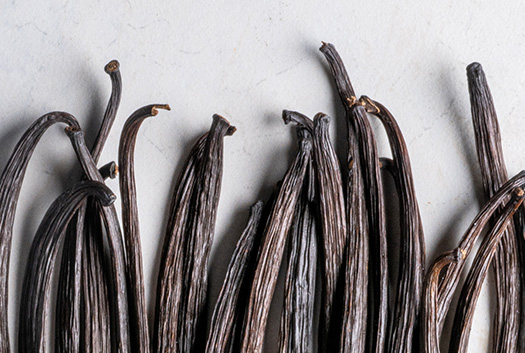
The price of a single vanilla pod can reach 30 NIS (nearly $10), and at times of crisis — like after massive wildfires or theft by organized crime — it can rise even higher. The result is a market that is almost entirely artificial; only 5% of world vanilla is real, meaning most of the vanilla used in products around the world is synthetic, made from petrochemicals.
Will the Israeli startup company Vanilla Vida, based in the Galilee town of Tzipori, be able to turn the tables?
The company, which is less than two years old, is attempting to revolutionize the vanilla market by growing more concentrated pods and ones with different flavor profiles like floral or nutty. We sat down with founder and CEO Oren Zilberman,34, in the Asif test kitchen to ask him about the technology required to grow vanilla in Israel, if the company is concerned about undermining the traditional agricultural industry in Africa, and why has no one tried to rethink the vanilla industry before.
Let’s take a step back for a moment. When was the company founded?
January 2020.
Very recently, and you already have a product. Compared to other high-tech companies, this is a very short schedule.
We spent many sleepless nights and achieved technological success very quickly. The idea came up in 2019, we went on a funding round, and founded the company in early 2020.
Where are you located?
We do “vertical integration,” which means we are working on several things in parallel and also operate from two distinct locations. Our agricultural development centre, or AgriTech, is located at Yesud HaMa’ala, which is where we grow our vanilla beans. Our FoodTech – including growing and marketing – is currently located at Strauss’s The Kitchen FoodTech Hub, but we will soon move to a new location.
So how do you begin growing vanilla, where did the seedlings come from?
The first seedlings came from Africa. As the original seedling you start with is a crucial factor, selecting it was a complex and costly process. We checked what would yield the best fruit – which type of vanilla, from which village, in which province, in which country. It took us a long time to find it, but eventually, we did.
And yet, relatively speaking, this “long time” was not that long.
It took us about a year and two months, including a lot of time spent on bureaucracy and import licenses. Once we knew which seedlings were right for us, we had them delivered.
And are you still importing today?
No, today we use the original seedlings for breeding. We grow plants from tissue culture, that is, we grow vanilla from its first and most basic building block. We cut a tiny piece from the plant’s top, its newest part, and germinate it in a test tube with special substances. The great advantage of this method is that you start with a pure material, 100% disease-free. If there is a virus, a pest, anything – we can identify it immediately. On the other hand, it is much more expensive. Today we are beginning to mass produce tissue culture, in collaboration with the Ginosar Kibbutz.
“At Vanilla Vida, we follow pharmaceutical standards, and the result is a much more concentrated product”.
What is your background?
I am a farmer’s son. I was raised as a farmer, my father still works as a farmer. After serving in the Israeli army, I completed a BA in management and economy, and then continued to study business administration. I worked in venture capital, and my expertise was investments in technological agriculture, AgriTech.
You said you were “a farmer’s son.” Do you feel this was a significant contribution to Vanilla Vida’s success?
Absolutely. We are an agricultural product, and I have the ability to understand agriculture, to overcome agricultural challenges. I am familiar with the professional language, and I know how to deal with unplanned and unexpected events. Agriculture is a complex world, and technological agriculture all the more. This combination between the technological-analytical [knowledge] and working the land, the practical knowledge, is a key factor for me as a CEO and for Vanilla Vida in general.
How come you are the first to do this? Vanilla prices have been soaring for years due to high demand and natural disasters. With such a huge business opportunity, there must have been other attempts to grow vanilla around the world. With no disrespect, if you managed to do this so quickly, maybe it’s not that complicated?
We are not the first to think of growing vanilla outside its natural environment, but we are the first to cover the full chain of production. We have competitors in cultivation, mainly in the USA, France, India, and Australia, but none of them has started to grow commercially. Vanilla has not been truly studied, except academically, to a small degree. It’s only in the last two years that private companies and startups began to show interest, and only in the agricultural world. No other company does cultivation, curing and automating — this is what differentiates Vanilla Vida, this is its strength.
Why vanilla? Other FoodTech and AgriTech companies, especially Israeli ones, are trying to develop solutions for products that are considered more crucial for nutrition or global warming.
We have a single motivation – vanilla is the most popular flavour in the world, but only 5% of it is natural; 95% of the market is synthetic vanillin produced from petrochemical raw materials. Our only motivation is to help the world consume a more natural product. Today, demand exceeds supply. The raw material is extremely expensive, and it is expected to remain this way in the foreseeable future. So we have a business opportunity, a very high demand, and a challenge that is fun to solve — technically, agriculturally, its automation etc. As entrepreneurs, we are motivated by challenges and by the possibility of making an impact. The challenge is big enough, yet there is no need to invent a new product. I am not trying to sell you the milk of the future or cultured meat. We are a more practical type of entrepreneurs, taking an existing product and making it better. It also allows a much quicker entrance to the market.
As natural vanilla is produced by traditional farming in third world countries, are you not concerned about being seen as aggressive, trying to deprive these people of their livelihood?
This is a good and important question. The answer is no. We always say that we are not here to replace traditional farmers. We want to work side-by-side with them and expand the market for all of us. Today in Madagascar (the world’s largest vanilla exporter) they are burning jungles to grow more vanilla. There is already a huge deficiency in the market; we want to fill this vacuum, not to take anybody’s place. A big part of our model is to transmit knowledge to the traditional world, to help them improve. When we approach a big essence manufacturer, we do not want to be its unique provider. I want to help decentralize the supply chain and maintain it, make it stable and consistent. I want to be 15-30% of their supply. I want to help the world consume vanilla that is more natural, and this means we need to expand the market with technology and an increased supply. I want to take a small piece of the pie.
That is, you target the synthetic vanilla market? The 95%?
Exactly. Like I’ve said, we want to help the world consume more natural vanilla, and the way to do so is to produce more natural vanilla. Big companies need regular supply. We want to increase the amount of raw material, and this increase in production capacity and production stability makes it possible for corporations to move from synthetic vanilla to natural vanilla. Again, our model is not to replace traditional farmers, but to work in parallel.
Companies mentioned
Related categories

Get more of our news on Google
Set Ingredients Network as a 'Preferred Source' to get quicker access to the news you value.
Related news

A new standard for omega-3 experience
13 Apr 2026
Omega-3 quality is no longer just about purity or concentration. Senses™ by Naturmega delivers ultra-pure, sensory-optimised omega-3 with no taste, no odour, and improved stability.
Read more
PharmaLinea’s iron supplement delivers improvements in hemoglobin comparable to ferrous sulfate with fewer side effects
23 Feb 2026
PharmaLinea, a Slovenian developer and manufacturer of private label food supplements, has announced the completion of a clinical study evaluating its finished formulation for iron deficiency.
Read more
LomaChelateX® – power in magnesium bisglycinate
12 Feb 2026
Gentle and effective: magnesium bisglycinate is setting a new standard. Through its LomaChelateX® brand, Dr. Paul Lohmann® delivers magnesium bisglycinate and a broad range of fully reacted mineral bisglycinates made in Germany.
Read more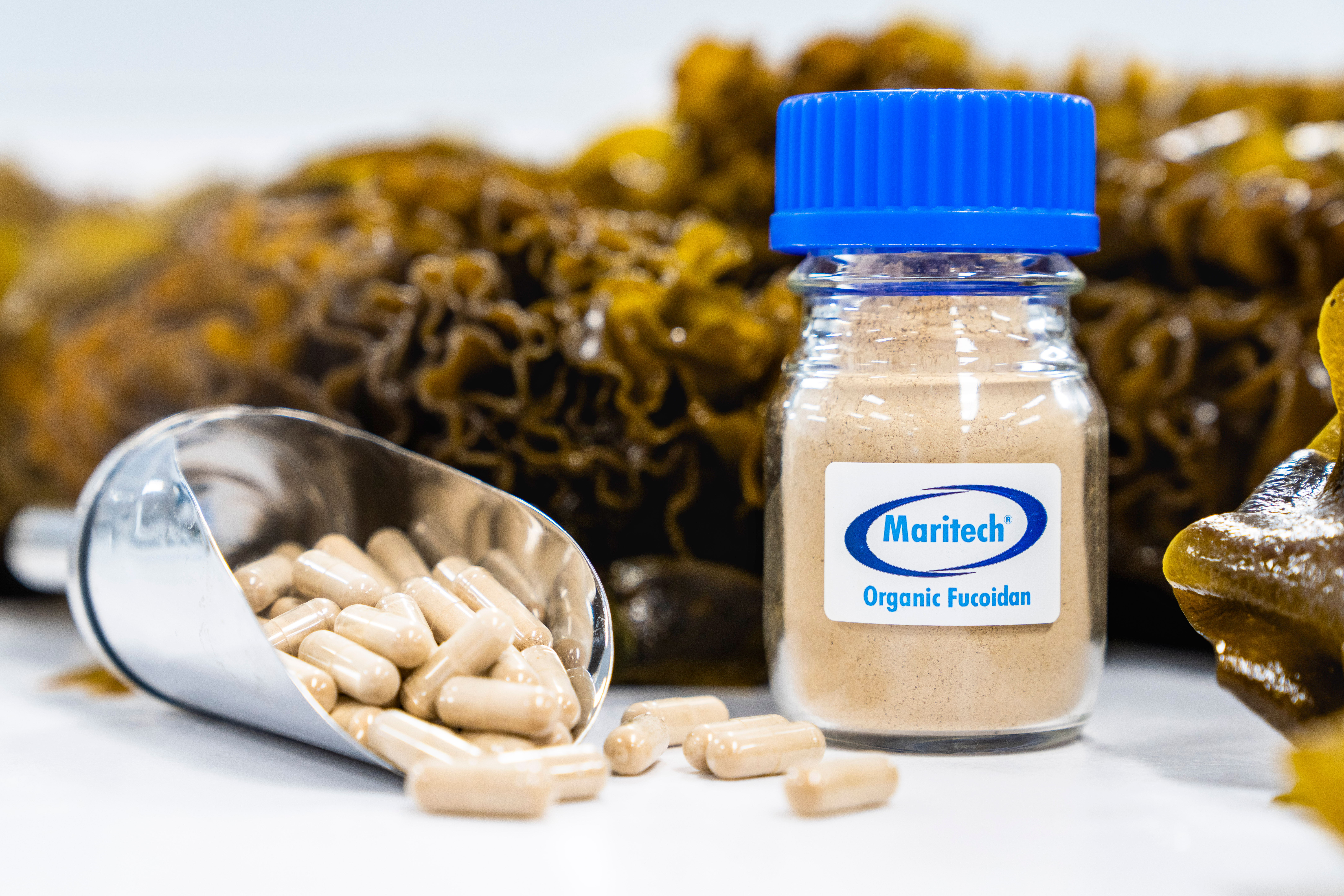
Fucoidan leader reports record production
22 Jan 2026
The global leader in fucoidan science, Marinova Pty Ltd, reported record annual fucoidan production for 2025. The company's total production volume has more than doubled over the past three years.
Read more
India Honours Ashwagandha with Commemorative Postal Stamp at WHO Global Summit
6 Jan 2026
HYDERABAD, December 20, 2025 – India’s Prime Minister Mr. Narendra Modi, alongside WHO Director-General Dr. Tedros Adhanom Ghebreyesus, released a commemorative postal stamp honoring ashwagandha at the recently concluded Second WHO Global Traditional...
Read more
PharmaLinea delivers actionable 2026 insights at the first ever NutraLoop™ Summit
22 Dec 2025
PharmaLinea held its first-ever NutraLoop™ Summit this December. The virtual event featured 12 speakers from companies such as IQVIA, NHCO, Radicle Science, and BeyondBrands, who provided comprehensive insights across the scientific and commercia...
Read more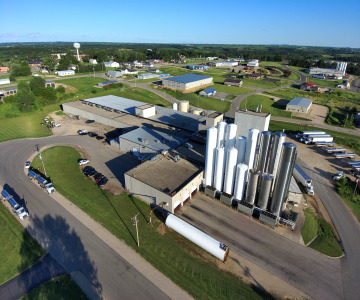
FrieslandCampina strengthens its global protein position with acquisition of Wisconsin Whey Protein
11 Dec 2025
Royal FrieslandCampina N.V. intends to acquire Wisconsin Whey Protein, a respected producer of whey protein isolates in the United States. Wisconsin Whey Protein will become part of FrieslandCampina Ingredients, a global leader in proteins and prebioti...
Read more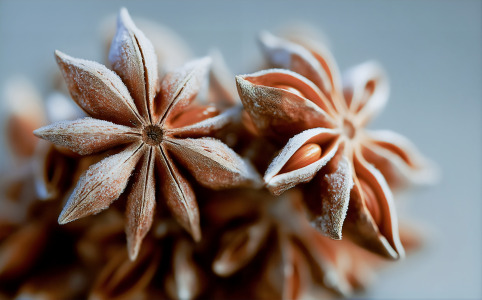
dsm-firmenich names ‘Frosted Star Anise’ as Flavor of the Year 2026, capturing a global desire for warmth and freshness
11 Dec 2025
Kaiseraugst (Switzerland), Maastricht (Netherlands), December 5, 2025 dsm-firmenich, innovators in nutrition, health, and beauty, announces ‘Frosted Star Anise’ as its Flavor of the Year for 2026. This...
Read more
Balchem Makes Strategic Investment in U.S. Food Ingredients Market with New Microencapsulation Manufacturing Facility
11 Dec 2025
Montvale, New Jersey, (10 December, 2025) – Balchem, a leading global manufacturer of specialty ingredients for human nutrition and health, is pleased to announce the development of a new, high-capacity man...
Read more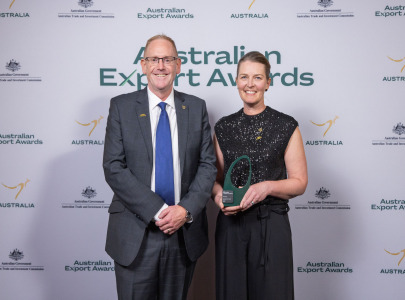
Fucoidan specialist takes out top international health award
4 Dec 2025
Marinova has been named Australia's most outstanding contributor to international health in the nation's prestigious Australian Export Awards.
Read more