
Ingredients Categories
Finished Products
Finished Food Categories
- Bakery
- Beverages / Juices
- Cereal and grain products
- Confectionery
- Cooking Fats & Oils
- Dairy
- Egg products
- Fruits & Vegetables
- Infant & Baby food
- Meat, Poultry & Fish
- Nuts & Seeds products
- Other Finished Food Categories
- Pet Food
- Plant-based foods
- Prepared foods
- Sauces & Seasonings
- Sweet & Savoury Spreads
Specialised Finished Products
- Bee products
- Biotic products
- Dietary supplements
- Energy drinks
- Functional beverages
- Functional confectionery
- Functional food
- Functional powders
- Meal replacement products
- Nutricosmetics
- Other Specialised Finished Products
- Pet Dietary Supplements
- Pharma and OTC products
- Protein products
- Sugar replacers / Sweeteners
Health & Wellness Areas
Delivery Formats
Operations & Services
- 3D printing
- Analysis/ Testing
- Auditing & certifications
- Blending & mixing
- Bottling
- Certification
- Clinical trials
- Co-packing
- Coating
- Consulting
- Contract manufacturing
- Drying
- Electrospinning
- Encapsulating
- Enzymatic processing
- Extracting
- Extrusion
- Fat structuring
- Fermentation
- Filling
- Flavour development
- Freeze drying
- Granulating/ grinding/ milling / mixing
- High-pressure processing
- Labelling
- Other Operations & Services
- Packaging
- Packet filling
- Pasturising
- Quality assurance
- Saccharification
- Shear cell processing
- Spray drying
- Sterilisation
- Storage & Logistics
- Tabletting
- Toasting / roasting
- Ultra-high temperature processing
News
Study: oatmeal breakfast increases satiety
28 Jan 2015A new study suggests that breakfast cereal choice may affect how full consumers feel and how much they eat for lunch, especially if they are overweight. According to new research published in the latest issue of the Annals of Nutrition and Metabolism, scientists found that having oatmeal (Quaker Oats Quick 1-minute) for breakfast resulted in greater fullness, […]

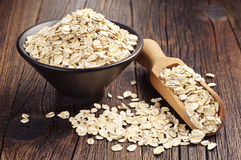 A new study suggests that breakfast cereal choice may affect how full consumers feel and how much they eat for lunch, especially if they are overweight. According to new research published in the latest issue of the Annals of Nutrition and Metabolism, scientists found that having oatmeal (Quaker Oats Quick 1-minute) for breakfast resulted in greater fullness, lower hunger ratings and fewer calories eaten at the next meal compared to a calorie-matched breakfast of a ready-to-eat cereal (RTEC) – sugared corn flakes.
Scientists from the New York Obesity Nutrition Research Center at Mount Sinai St. Luke’s Hospital randomly assigned 36 subjects (18 normal weight and 18 overweight) to each receive three different breakfasts. The breakfasts consisted of 350 calories of similar amounts of carbohydrates, fat and liquid from either quick-cook oatmeal or sugared corn flakes. A third control breakfast was only 1.5 cups of water. To evaluate appetite, ratings of hunger and fullness were obtained at frequent intervals before and after the breakfast until a lunch test meal 3 hours later. Researchers measured the calorie intake of the lunch meal consumed to compare the effects of the corn flakes, oatmeal or water breakfasts. Blood samples were collected just after each of the appetite ratings to assess levels of glucose, insulin, acetaminophen (a marker for how quickly the breakfast emptied from the stomach into the intestine) and various hormones related to appetite, in response to each breakfast.
“Our results show that despite eating the same number of calories at breakfast, satiety values were significantly greater after consuming oatmeal compared to sugared corn flakes. After three hours, subjects reported the same level of hunger after having a corn flakes breakfast as they did when they consumed only water,” said lead researcher Allan Geliebter, research psychologist in the Department of Psychiatry at Mount Sinai St. Luke’s Hospital. “Interestingly, the results were more pronounced for the participants who were overweight, suggesting that overweight individuals may be more responsive to the satiety effects of the dietary fiber in oatmeal.”
The results showed statistically significant higher ratings of fullness, lower ratings of hunger, and 31% fewer calories consumed at lunch after consuming oatmeal compared to sugared corn flakes or water. The overall satiety effect was greater among overweight subjects, who consumed 50% fewer calories at lunch after eating oatmeal.
The study authors suggested that the greater satiety effect of oatmeal cereal compared to sugared corn flakes or water might be due to a slower gastric emptying (oatmeal took longer to leave the stomach). Given that the results were more pronounced in overweight subjects, researchers suggested that a longer-term weight control study testing daily oatmeal for breakfast is warranted.
“Consumers choose oatmeal for its great taste, well-established health benefits and convenience, but scientists are finding that eating oatmeal for breakfast may also be one of the easiest ways to improve satiety after breakfast,” said Marianne O’Shea, Director, Quaker Oats Center of Excellence. “We are encouraged by the potential for future investigations that could have a positive impact on public health and give people more reasons to enjoy oat-based breakfasts and snacks.”

Get more of our news on Google
Set Ingredients Network as a 'Preferred Source' to get quicker access to the news you value.
Related news

The rise of CPG disruptor brands
9 Apr 2026
Bold, relevant, and agile disruptor brands, such as Olly and Poppi are reshaping consumer packaged goods (CPG) and driving growth in stagnant areas – reframing everything about the categories they are showing up in, say experts.
Read more
Vitafoods Middle East and Africa to launch in Dubai in 2026
9 Jan 2026
The Vitafoods portfolio of nutraceutical events is expanding, with Vitafoods Middle East and Africa launching in September 2026 in Dubai, United Arab Emirates.
Read more
Calorie decline and claims fatigue: Euromonitor’s 2026 forecast
6 Jan 2026
Major economic shifts and growing consumer uptake of GLP-1s and AI are shaping how – and what – people eat, according to a Euromonitor market analysis.
Read more
Has ‘clean’ had its day?
22 Dec 2025
Wielding clean-label positioning and fortification as marketing levers is a dangerous strategy, and brands would be better off explaining the hows and whys of the ingredients in their products, say experts.
Read more
Celebrating the winners of the Fi Europe Innovation Awards 2025
3 Dec 2025
Food industry stakeholders celebrated as the winners of the Fi Europe Innovation Awards were announced at a ceremony in Paris.
Read more
Alternative protein startups pivot to B2B ingredients amid funding shift
27 Nov 2025
Alt protein startups are pivoting from consumer meat analogues to high-value B2B ingredients, driven by stronger investor interest, better margins, and clearer commercial pathways.
Read more
Walmart Marketplace’s record growth prompts search for UK sellers
26 Sep 2025
Walmart’s third-party e-commerce platform, Marketplace, has witnessed extraordinary growth – but a need for more product diversity has prompted the retailer to recruit UK sellers.
Read more
The winners of Vitafoods Europe Startup Challenge 2025 revealed
29 May 2025
Four startups – Yomio Drops, PFx Biotech, Revobiom, and Favamole – took top prizes at this year’s Vitafoods Europe Startup Challenge awards.
Read more
East takes on West in the fight for future food flavours
30 Apr 2025
Asian and South American flavours are now key components on global menus, driven by a growing global appetite for culinary mashups.
Read more
Food companies urged to bring ‘joy’ and urgency to healthy food mission
14 Mar 2025
For too long, businesses have treated health and sustainability as separate agendas – but there is growing evidence to show diets that benefit human health can also enhance that of the planet, say experts.
Read more