
Ingredients Categories
Finished Products
Finished Food Categories
- Bakery
- Beverages / Juices
- Cereal and grain products
- Confectionery
- Cooking Fats & Oils
- Dairy
- Egg products
- Fruits & Vegetables
- Infant & Baby food
- Meat, Poultry & Fish
- Nuts & Seeds products
- Other Finished Food Categories
- Pet Food
- Plant-based foods
- Prepared foods
- Sauces & Seasonings
- Sweet & Savoury Spreads
Specialised Finished Products
- Bee products
- Biotic products
- Dietary supplements
- Energy drinks
- Functional beverages
- Functional confectionery
- Functional food
- Functional powders
- Meal replacement products
- Nutricosmetics
- Other Specialised Finished Products
- Pet Dietary Supplements
- Pharma and OTC products
- Protein products
- Sugar replacers / Sweeteners
Health & Wellness Areas
Delivery Formats
Operations & Services
- 3D printing
- Analysis/ Testing
- Auditing & certifications
- Blending & mixing
- Bottling
- Certification
- Clinical trials
- Co-packing
- Coating
- Consulting
- Contract manufacturing
- Drying
- Electrospinning
- Encapsulating
- Enzymatic processing
- Extracting
- Extrusion
- Fat structuring
- Fermentation
- Filling
- Flavour development
- Freeze drying
- Granulating/ grinding/ milling / mixing
- High-pressure processing
- Labelling
- Other Operations & Services
- Packaging
- Packet filling
- Pasturising
- Quality assurance
- Saccharification
- Shear cell processing
- Spray drying
- Sterilisation
- Storage & Logistics
- Tabletting
- Toasting / roasting
- Ultra-high temperature processing
News
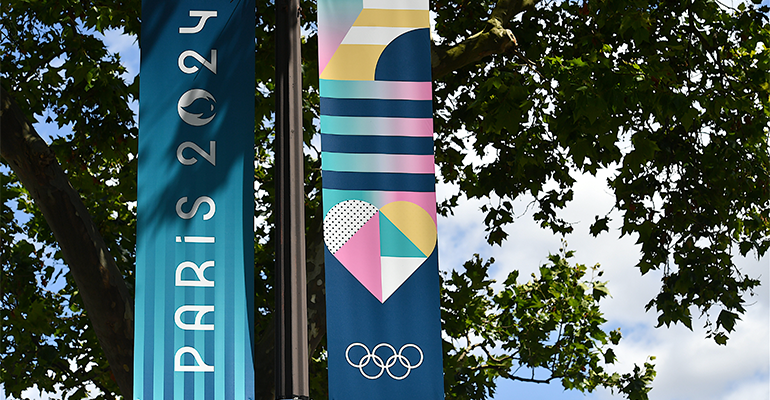
Paris Olympics: Food and beverage brands champion health, fun, and sustainability
Rik Moors 5 Aug 2024Food and beverage brands are aligning with the Paris Olympics 2024 Food Vision, which emphasises sustainability, local sourcing, and plant-based diets.
Official sponsors Garden Gourmet, Coca-Cola, Miko, and Tourtel Twist are using the Paris platform to position their brands as fun and healthy. From Coca-Cola's special edition “hugging” cans to Danone's focus on balanced nutrition, brands are not only establishing a presence at the Games, but also driving trends that consumers will see persisting in supermarkets during and after the event.
Embracing sustainability and local sourcing
Paris 2024's Food Vision commits to sourcing 100% French and sustainable meat, dairy, and eggs, and ensuring all fish come from sustainable sources. Mintel's research highlights the growing consumer preference for local and independent brands sponsoring major events, with nearly half (46%) of Germans agreeing that local independent brands should sponsor major sporting events more. Dr. Jennifer Hendricks, senior analyst at Mintel, writes that “Germans' awareness of the importance of localism and sustainability is expected to drive local consumption in the long term”.
By focusing on local production and sustainable practices, sponsor brands aligning with this vision appeal to eco-conscious consumers who prioritise environmental impact in their purchasing decisions. French brand Danone, another Olympic sponsor, noted its “broader commitment to more sustainable, local products”, in a Danone press release. Antoine de Saint-Affrique, Danone’s chief executive officer, emphasised the brand’s shared values with the Olympic vision: “The Olympic and Paralympic Games Paris 2024 will celebrate a changing society – a society that’s dedicated to addressing social and environmental issues, that promotes health and well-being, and that draws strength from diversity and inclusion.”
Valuing plant-based
According to Mintel, major sports events like the Olympics present significant opportunities for brands to cater to shifts in consumer spending. A Mintel Global Consumer survey conducted in March this year found that 47% of Germans said it was a priority to ensure that a brand's values align with their own when purchasing a product. Sponsorship of or association with the values promoted by an event like the Olympics can help showcase this value alignment.
For instance, Garden Gourmet, a Nestlé brand known for its plant-based foods, emphasises how it “share[s] a common vision with Paris 2024: to promote a more sustainable and plant-based diet”. The Olympic organising committee will significantly increase plant-based food offerings on site, doubling the amount compared to previous Games. Garden Gourmet will supply its products at the Olympic venue catering outfits, and it has also launched a campaign aimed at French consumers called “Le Végétal Feel Good”, with the message “the joyful celebration of people discovering the taste of plant-based products”. A limited-edition version of the Garden Gourmet La Panée soy and wheat breaded vegetable with Olympics branding is the star of this campaign.
No alcohol, no waste
The prohibition of alcohol sales at venues, except in VIP areas, gives AB InBev’s Corona Cero and Carlsberg brand Tourtel Twist the opportunity to expand awareness of their non-alcoholic beers. With the market for low and no-alcoholic beverages growing rapidly in recent years, the Olympic shift away from alcoholic beverages is the latest in a series of similar decisions by sporting events organisations. Last year, the Six Nations rugby championship partnered with the Guinness zero-alcohol brand Guiness 0.0, which the brand positioned as part of its ‘Never Settle’ inclusivity campaign.
Olympic partner Coca Cola, meanwhile, is reducing plastic waste by installing 700 water and soda fountains across Olympic venues, promoting reusable bottles, and supporting recycling initiatives.
Engaging consumers and creating a sense of occasion
Beyond sustainability, brands are also enhancing consumer engagement through experiential marketing and interactive campaigns, creating a sense of occasion for the Olympics. Unilever’s ice cream brand Miko, another official sponsor of the Paris Olympics, has launched the "Twiste Ta Ville" game, encouraging participants to reimagine their cities with playful, Olympic-inspired twists. By encouraging consumers to take pictures of different ice cream products at Paris landmarks, the campaign promotes brand visibility by fostering community engagement and excitement around the Olympics.
Coca-Cola, in addition to its sustainability initiatives, is releasing special edition cans that feature one half of a hugging pair. The design encourages consumers to interact with the cans by "hugging" them, symbolising community and togetherness, which resonates with the inclusive spirit of the Olympics.

Get more of our news on Google
Set Ingredients Network as a 'Preferred Source' to get quicker access to the news you value.
Related news

Do the US dietary guidelines put UPFs under pressure?
10 Sep 2026
Will the US dietary guidelines change the way Americans eat, swapping ultra-processed foods for whole foods? We asked Dr Barry Popkin, renowned nutrition and obesity researcher.
Read more
Food fraud costs UK economy £2bn each year
9 Sep 2026
Food fraud is costing the UK economy up to £2 billion (€2.3 billion) every year although the food sector is more “resilient” than others, according to a recent study.
Read more
Skimpflation: An ‘unfair’ and risky approach to keeping prices low
2 Sep 2026
Consumers see skimpflation – reducing the quality of ingredients due to rising costs – as more unfair than shrinkflation, making it a risky strategy according to recent research.
Read more
NielsenIQ’s EU barometer shows Britain leading in grocery inflation
31 Aug 2026
Britain was the only country to record grocery inflation above 2%, according to NielsenIQ data that compared Europe’s five biggest grocery markets from February to May 2026.
Read more
‘Urgent gaps’ in achieving 2030 food system goals
27 Aug 2026
Global food systems are failing to meet 2030 targets across indicators including health, environment, and resilience, according to a report co-authored by the Food and Agriculture Organisation (FAO).
Read more
China beverages: Is herbal innovation the future?
20 Aug 2026
Herbal and botanical innovation in China's drinks market continues to grow, with ingredients like astragalus root, ginger, and ginseng in the spotlight – and focus shifting far beyond refreshment.
Read more
Popular barbecue staples experience sharp price increases
19 Aug 2026
The typical cost of US shoppers’ barbecue baskets has risen by 12% over the past year – the fastest annual rise in a decade, figures from The Economist show.
Read more
Beyond 'nice to have': A spotlight on US functional beverages
12 Aug 2026
Functional beverage interest in the US is gaining important ground as consumers now expect function rather than see it as "nice to have", and there are clear market gaps for growth, according to Spate.
Read more
Manam Chocolate aims to bring premium Indian cacao to 'the world stage'
11 Aug 2026
Craft chocolate brand Manam Chocolate is investing in local expansion and supply chain innovation throughout India as it works to build out the premium reputation of its locally produced cacao products.
Read more
Digital twin technology gains ground in food manufacturing
6 Aug 2026
Food and beverage companies are increasingly turning to digital twins to optimise and automate manufacturing processes, but opportunities stretch far beyond this, say experts.
Read more