Ingredients Categories
Finished Products
Finished Food Categories
- Bakery
- Beverages / Juices
- Cereal and grain products
- Confectionery
- Cooking Fats & Oils
- Dairy
- Egg products
- Fruits & Vegetables
- Infant & Baby food
- Meat, Poultry & Fish
- Nuts & Seeds products
- Other Finished Food Categories
- Pet Food
- Plant-based foods
- Prepared foods
- Sauces & Seasonings
- Sweet & Savoury Spreads
Specialised Finished Products
- Bee products
- Biotic products
- Dietary supplements
- Energy drinks
- Functional beverages
- Functional confectionery
- Functional food
- Functional powders
- Meal replacement products
- Nutricosmetics
- Other Specialised Finished Products
- Pet Dietary Supplements
- Pharma and OTC products
- Protein products
- Sugar replacers / Sweeteners
Health & Wellness Areas
Delivery Formats
Operations & Services
- 3D printing
- Analysis/ Testing
- Auditing & certifications
- Blending & mixing
- Bottling
- Certification
- Clinical trials
- Co-packing
- Coating
- Consulting
- Contract manufacturing
- Drying
- Electrospinning
- Encapsulating
- Enzymatic processing
- Extracting
- Extrusion
- Fat structuring
- Fermentation
- Filling
- Flavour development
- Freeze drying
- Granulating/ grinding/ milling / mixing
- High-pressure processing
- Labelling
- Other Operations & Services
- Packaging
- Packet filling
- Pasturising
- Quality assurance
- Saccharification
- Shear cell processing
- Spray drying
- Sterilisation
- Storage & Logistics
- Tabletting
- Toasting / roasting
- Ultra-high temperature processing
Disugar® Mulberry Leaf Extract (DNJ)
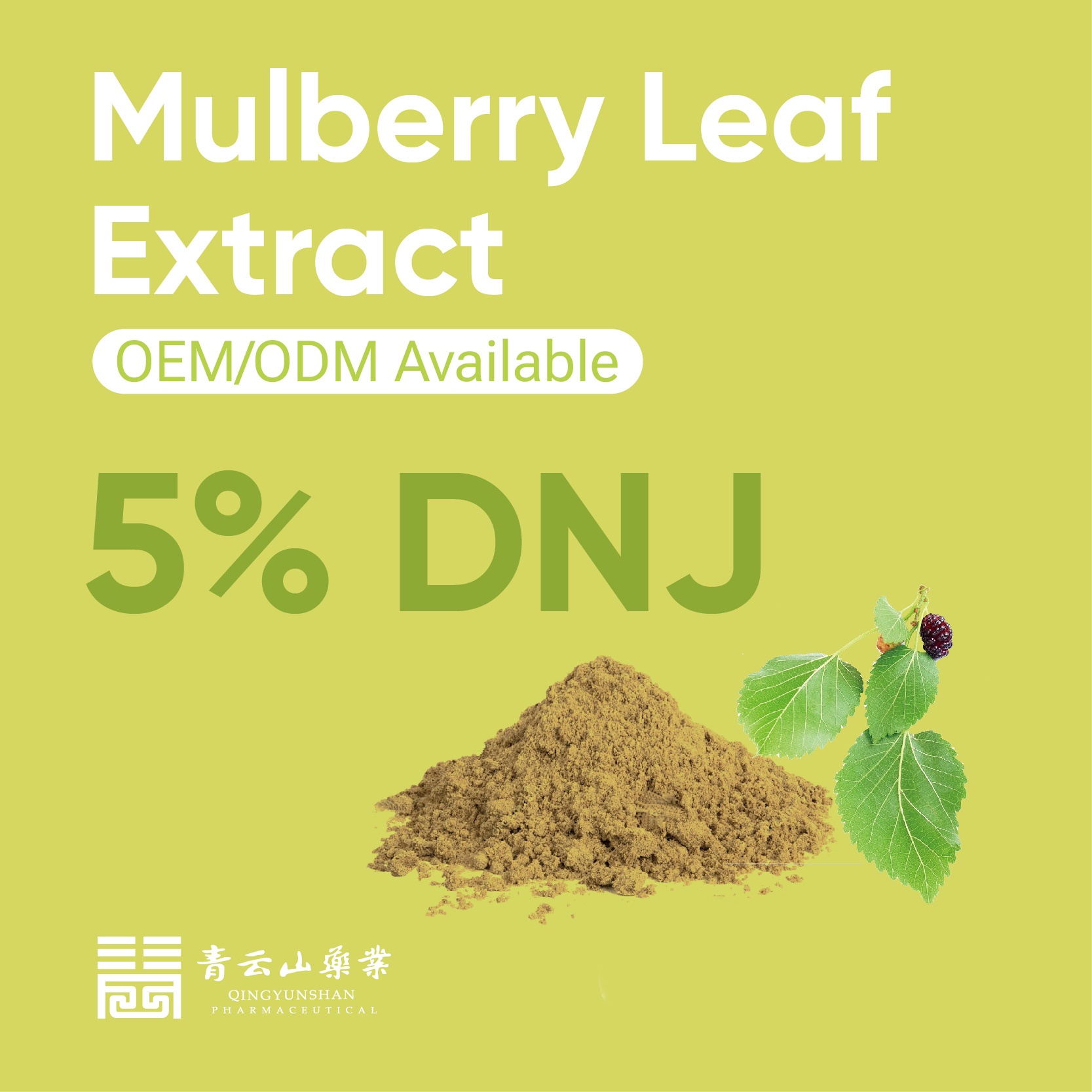
Product description
· Carbohydrate Metabolism
· Beverage & Liquid Dairy Application Solutions
· Effect Validated by in Vitro & in Vivo Studies
· Backed by Toxicology & Safty Studies
· Recommended Daily Intake: 750-1500 mg/day (1% DNJ) ;150-360 mg/day (5% DNJ)
Specification: DNJ 0.8-5%/HPLC; Total Flavone >0. 1-3%; Rutin>0. 1%; Certification: ISO22000, Kosher, Halal
Assay Method: HPLC; UV
Botanical Source: Morus Alba
Botanical Part Used: Leaf
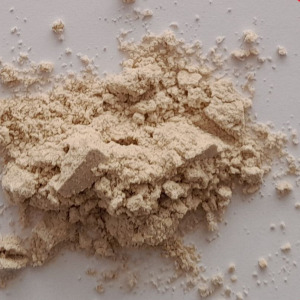
Mulberry Leaf Extract DNJ is made from mulberry leaves as raw material, through the processes of water extraction, microfiltration, ultrafiltration, concentration and spray drying, are substantially equivalent to mulberry leaves, and their health and safety indicators are implemented according to the relevant food safety standards.
DNJ Principle
1. As an inhibitor of alpha-glucosidase, it slows down the absorption of sugars in the body and lowerspostprandial blood glucose.
2. As an inhibitor of glycogen phosphorylase, it inhibits hepatic glycogenolysis and stabilises fastingblood glucose.
3. It has some effects on improving insulin resistance.
Potent
-750 mg of 1% DNJ Mulberry Leaf Extract reduces postprandial blood glucose spikes by 40%, resulting in a 40% reduction in insulin response
Long lasting effect
-A single 750mg DNJ Mulberry Leaf Extract is effective for the entire meal over a period of up to two hours
Broad applicability
-Mulberry Leaf Extract is good water solubility, heat stable, PH stable, light colour, light taste and low flavour impact-Highly adaptable powder dosage form for use in different nutritional foods
-Low dosage levels for use in small size products reasonable cost / wide applicability
Read more
· Beverage & Liquid Dairy Application Solutions
· Effect Validated by in Vitro & in Vivo Studies
· Backed by Toxicology & Safty Studies
· Recommended Daily Intake: 750-1500 mg/day (1% DNJ) ;150-360 mg/day (5% DNJ)
Specification: DNJ 0.8-5%/HPLC; Total Flavone >0. 1-3%; Rutin>0. 1%; Certification: ISO22000, Kosher, Halal
Assay Method: HPLC; UV
Botanical Source: Morus Alba
Botanical Part Used: Leaf
Mulberry Leaf Extract DNJ is made from mulberry leaves as raw material, through the processes of water extraction, microfiltration, ultrafiltration, concentration and spray drying, are substantially equivalent to mulberry leaves, and their health and safety indicators are implemented according to the relevant food safety standards.
DNJ Principle
1. As an inhibitor of alpha-glucosidase, it slows down the absorption of sugars in the body and lowerspostprandial blood glucose.
2. As an inhibitor of glycogen phosphorylase, it inhibits hepatic glycogenolysis and stabilises fastingblood glucose.
3. It has some effects on improving insulin resistance.
Potent
-750 mg of 1% DNJ Mulberry Leaf Extract reduces postprandial blood glucose spikes by 40%, resulting in a 40% reduction in insulin response
Long lasting effect
-A single 750mg DNJ Mulberry Leaf Extract is effective for the entire meal over a period of up to two hours
Broad applicability
-Mulberry Leaf Extract is good water solubility, heat stable, PH stable, light colour, light taste and low flavour impact-Highly adaptable powder dosage form for use in different nutritional foods
-Low dosage levels for use in small size products reasonable cost / wide applicability
Specifications
| Categories | Bioactive Compounds - Other Algae, Botanicals, Carotenoids, FlavonoidsBotanicals Algae, Botanicals, Carotenoids, FlavonoidsBotanicalsOther Botanicals Algae, Botanicals, Carotenoids, FlavonoidsFlavonoidsRutin Dosage FormatsPowders Immune Support Metabolic Health Weight Management |
|---|---|
| Sales markets | Western Europe | Eastern Europe | Middle East | Asia | Australia | North America | Africa | Central/South America |
| Supplied from | China |
| Certifications | Halal | Health & Safety | Kosher |
Products from other suppliers


Disugar® Mulberry Leaf Extract (DNJ)