
Ingredients Categories
Finished Products
Finished Food Categories
- Bakery
- Beverages / Juices
- Cereal and grain products
- Confectionery
- Cooking Fats & Oils
- Dairy
- Egg products
- Fruits & Vegetables
- Infant & Baby food
- Meat, Poultry & Fish
- Nuts & Seeds products
- Other Finished Food Categories
- Pet Food
- Plant-based foods
- Prepared foods
- Sauces & Seasonings
- Sweet & Savoury Spreads
Health & Wellness Areas
Delivery Formats
Operations & Services
- 3D printing
- Analysis/ Testing
- Auditing & certifications
- Blending & mixing
- Bottling
- Certification
- Clinical Trials
- Co-packing
- Coating
- Consulting
- Contract manufacturing
- Drying
- Electrospinning
- Encapsulating
- Enzymatic processing
- Extracting
- Extrusion
- Fat structuring
- Fermentation
- Filling
- Flavour development
- Freeze Drying
- Granulating/ grinding/ milling / mixing
- High pressure processing
- Labelling
- Other Operations & Services
- Packaging
- Packet filling
- Pasturising
- Quality assurance
- Saccharification
- Sheer cell processing
- Spray drying
- Sterilisation
- Storage & Logistics
- Tabletting
- Toasting / roasting
- Ultra-high temperature processing
Certification
News
Study: artificial sweetening not best strategy for diabetes
24 Jul 2015Sugar sweetened drinks may give rise to nearly two million diabetes cases over ten years in the US and 80,000 in the UK, estimates a study published in the BMJ, and substituting sugar sweetened drinks with artificially sweetened drinks or fruit juice is unlikely to be the best strategy in reducing the risk of developing […]

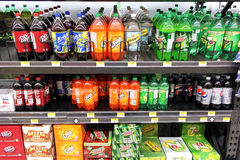 Sugar sweetened drinks may give rise to nearly two million diabetes cases over ten years in the US and 80,000 in the UK, estimates a study published in the BMJ, and substituting sugar sweetened drinks with artificially sweetened drinks or fruit juice is unlikely to be the best strategy in reducing the risk of developing type 2 diabetes.
These are the conclusions of an international team of researchers led by the MRC Epidemiology Unit at the University of Cambridge who set out to assess whether or not habitual consumption of sugar sweetened drinks, artificially sweetened drinks, or fruit juice was associated with the incidence of type 2 diabetes – and to estimate the 10-year risk attributable to sugar sweetened drinks in the USA and UK.
The researchers analysed the results of 17 observational studies and found that habitual consumption of sugar sweetened drinks was positively associated with incidence of type 2 diabetes, independently of obesity status.
The association between artificially sweetened drinks or fruit juice and type 2 diabetes was less evident. Yet, the researchers found little evidence for benefits of these beverages, and therefore concluded these drinks are unlikely to be healthy alternatives to sugar sweetened drinks for preventing type 2 diabetes.
The researchers point out that the studies analysed were observational, so no definitive conclusions can be drawn about cause and effect. However, assuming a causal association, they estimate that two million new-onset type 2 diabetes events in the USA and 80,000 in the UK from 2010 to 2020 would be related to consumption of sugar sweetened beverages.
This latest review builds on ongoing research into the health impact of sugar sweetened drinks, including recent findings from the EPIC-InterAct study in eight European countries as well as work in the EPIC-Norfolk study in the UK, which found that drinking water or unsweetened tea or coffee in place of one sugary drink per day can help to reduce the risk of type 2 diabetes.
“These findings together indicate that substituting sugar sweetened drinks with artificially sweetened drinks or fruit juice is unlikely to be the best strategy in reducing the risk of developing type 2 diabetes,” said Dr Fumiaki Imamura, lead author of the study at the MRC Epidemiology Unit. “Water or other unsweetened beverages are better options.”
“Our new findings provide further evidence to support the recent UK Scientific Advisory Committee on Nutrition (SACN) recommendation that minimising the consumption of sugary drinks presents a clear opportunity towards the goal of free sugars contributing to no more than 5% of daily energy intake and to improve health,” said Dr Nita Forouhi, senior author of the study at the MRC Epidemiology Unit.