
Ingredients Categories
Finished Products
Finished Food Categories
- Bakery
- Beverages / Juices
- Cereal and grain products
- Confectionery
- Cooking Fats & Oils
- Dairy
- Egg products
- Fruits & Vegetables
- Infant & Baby food
- Meat, Poultry & Fish
- Nuts & Seeds products
- Other Finished Food Categories
- Pet Food
- Plant-based foods
- Prepared foods
- Sauces & Seasonings
- Sweet & Savoury Spreads
Specialised Finished Products
- Bee products
- Biotic products
- Dietary supplements
- Energy drinks
- Functional beverages
- Functional confectionery
- Functional food
- Functional powders
- Meal replacement products
- Nutricosmetics
- Other Specialised Finished Products
- Pet Dietary Supplements
- Pharma and OTC products
- Protein products
- Sugar replacers / Sweeteners
Health & Wellness Areas
Delivery Formats
Operations & Services
- 3D printing
- Analysis/ Testing
- Auditing & certifications
- Blending & mixing
- Bottling
- Certification
- Clinical trials
- Co-packing
- Coating
- Consulting
- Contract manufacturing
- Drying
- Electrospinning
- Encapsulating
- Enzymatic processing
- Extracting
- Extrusion
- Fat structuring
- Fermentation
- Filling
- Flavour development
- Freeze drying
- Granulating/ grinding/ milling / mixing
- High-pressure processing
- Labelling
- Other Operations & Services
- Packaging
- Packet filling
- Pasturising
- Quality assurance
- Saccharification
- Shear cell processing
- Spray drying
- Sterilisation
- Storage & Logistics
- Tabletting
- Toasting / roasting
- Ultra-high temperature processing
sponsored content
US industry panel recommends new UPF policy definition
15 Jun 2026US-based Healthy Eating Research has proposed an ingredient-based approach to defining ultra-processed foods (UPFs) to make them easier to identify for policy purposes.
The Healthy Eating Research (HER) team set up an expert panel to discuss the latest insights into ultra-processed foods (UPFs) with the aim of developing a clear, easy-to-use definition of UPFs for policy purposes.
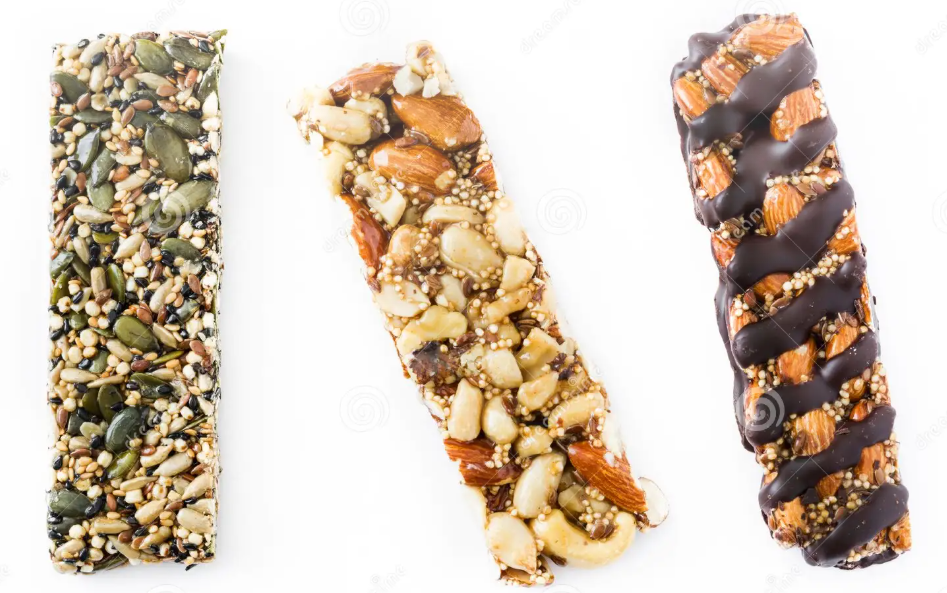
Its proposal – an ingredient-based approach – is designed to make it easier to identify UPFs in policy and programme settings while helping policymakers take action to reduce the availability and consumption of UPFs.
UPFs have no definitionDespite growing interest in UPFs among leading health groups, policymakers and the general public, there is still no consensus on how to define UPFs. These foods contain few or no whole-food ingredients and undergo intensive physical and chemical processing to achieve a long shelf life and high sensory appeal.
“Achieving agreement on a clear, evidence-informed UPF definition is especially important for designing effective policies to lower exposure to and consumption of UPFs, and ultimately improving health,” Megan Lott, deputy director of Healthy Eating Research, told Ingredients Network.
Companies mentioned


Get more of our news on Google
Set Ingredients Network as a 'Preferred Source' to get quicker access to the news you value.