
Ingredients Categories
Finished Products
Finished Food Categories
- Bakery
- Beverages / Juices
- Cereal and grain products
- Confectionery
- Cooking Fats & Oils
- Dairy
- Egg products
- Fruits & Vegetables
- Infant & Baby food
- Meat, Poultry & Fish
- Nuts & Seeds products
- Other Finished Food Categories
- Pet Food
- Plant-based foods
- Prepared foods
- Sauces & Seasonings
- Sweet & Savoury Spreads
Specialised Finished Products
- Bee products
- Biotic products
- Dietary supplements
- Energy drinks
- Functional beverages
- Functional confectionery
- Functional food
- Functional powders
- Meal replacement products
- Nutricosmetics
- Other Specialised Finished Products
- Pet Dietary Supplements
- Pharma and OTC products
- Protein products
- Sugar replacers / Sweeteners
Health & Wellness Areas
Delivery Formats
Operations & Services
- 3D printing
- Analysis/ Testing
- Auditing & certifications
- Blending & mixing
- Bottling
- Certification
- Clinical trials
- Co-packing
- Coating
- Consulting
- Contract manufacturing
- Drying
- Electrospinning
- Encapsulating
- Enzymatic processing
- Extracting
- Extrusion
- Fat structuring
- Fermentation
- Filling
- Flavour development
- Freeze drying
- Granulating/ grinding/ milling / mixing
- High-pressure processing
- Labelling
- Other Operations & Services
- Packaging
- Packet filling
- Pasturising
- Quality assurance
- Saccharification
- Shear cell processing
- Spray drying
- Sterilisation
- Storage & Logistics
- Tabletting
- Toasting / roasting
- Ultra-high temperature processing
Sponsored Content
Drying heat-sensitive food products with sustainable solutions
2 May 2023
Learn how Bepex's drying technologies can preserve product quality and maintain high nutritional value for heat-sensitive food products.
Maintaining high product quality during the drying operation is a primary concern in food drying applications. The dryer design should minimize product discoloration and preserve the desired flavor, aroma, and efficacy. At the same time, there is an increasing demand for sustainable solutions that use less energy and reduce environmental impact.
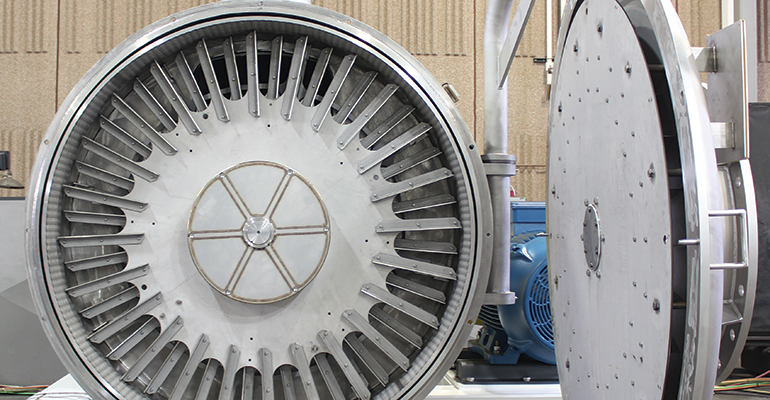
One such sustainable solution is Bepex's direct dispersion dryer technology. This innovative drying system is designed to handle higher-solids content feeds, which means that it requires less energy to dry the solids to an acceptable moisture level. This results in a significant reduction in energy consumption and operational costs.
Bepex's direct flash dryer technology also offers other benefits for heat-sensitive food products. It protects the nutritional quality of the products while improving overall quality, including color. The dryer design ensures that the product is not exposed to excessive heat for a prolonged period, which can result in degradation and discoloration.
The direct flash dryer technology is just one of many unique proprietary drying technologies offered by Bepex. The company specializes in the development of continuous drying processes for heat-sensitive materials. When approached with new and novel drying applications, Bepex typically begins its review with two of its proprietary technologies.
The first option is the PCX Flash Dryer, a dispersion flash dryer that utilizes heated air streams and rotating dispersion plates to generate a thin layer of material. This provides intimate contact between the particles to be dried and the heated gas stream, resulting in more efficient heat transfer. Material residence time inside the dryer is short, which minimizes the risk of degradation and color change.
The mechanical design of the PCX enables you to dry solids with higher-moisture contents than other flash dryers. The rotating dispersion plates help break apart any lumps into consistent particles, allowing for even heating, leading to better quality and more consistent product.
In situations where energy cost or emissions are of extreme concern, or if there is a volatile present other than water, our Solidaire Paddle Dryer provides an attractive alternative to flash drying. The paddle dryer uses conductive heating to carry out evaporation, with a heated gas stream (often inert) running counter-current to material flow. This provides more efficient operation and lower operating utility requirements.
Like the PCX, the solids are forced into a thin layer along the periphery of the vessel. This drastically increases the heat transfer into the solids, providing the most efficient operation available. The mechanical design of the Solidaire offers gentle agitation and conveyance and is capable of working through the difficult transition phase while moisture is evaporated.
Bepex's Process Development Center provides the ability to test, generate market-ready samples, and provide proof of concept for your process prior to scaling to commercial capacities. Whether drying vegetable protein, starch, yeast, or another temperature-sensitive material, Bepex has the experience, products, and capability to serve as a valued partner in your product and process development.
Bepex's direct flash dryer technology offers a sustainable solution for drying heat-sensitive food products. The technology uses less energy and reduces environmental impact while protecting the nutritional quality and improving overall quality. Combined with Bepex's other proprietary drying technologies and process development capabilities, the company provides a comprehensive solution for the food industry's drying needs.
Companies mentioned
Related categories

Get more of our news on Google
Set Ingredients Network as a 'Preferred Source' to get quicker access to the news you value.
Related news

A new standard for omega-3 experience
13 Apr 2026
Omega-3 quality is no longer just about purity or concentration. Senses™ by Naturmega delivers ultra-pure, sensory-optimised omega-3 with no taste, no odour, and improved stability.
Read more
PharmaLinea’s iron supplement delivers improvements in hemoglobin comparable to ferrous sulfate with fewer side effects
23 Feb 2026
PharmaLinea, a Slovenian developer and manufacturer of private label food supplements, has announced the completion of a clinical study evaluating its finished formulation for iron deficiency.
Read more
LomaChelateX® – power in magnesium bisglycinate
12 Feb 2026
Gentle and effective: magnesium bisglycinate is setting a new standard. Through its LomaChelateX® brand, Dr. Paul Lohmann® delivers magnesium bisglycinate and a broad range of fully reacted mineral bisglycinates made in Germany.
Read more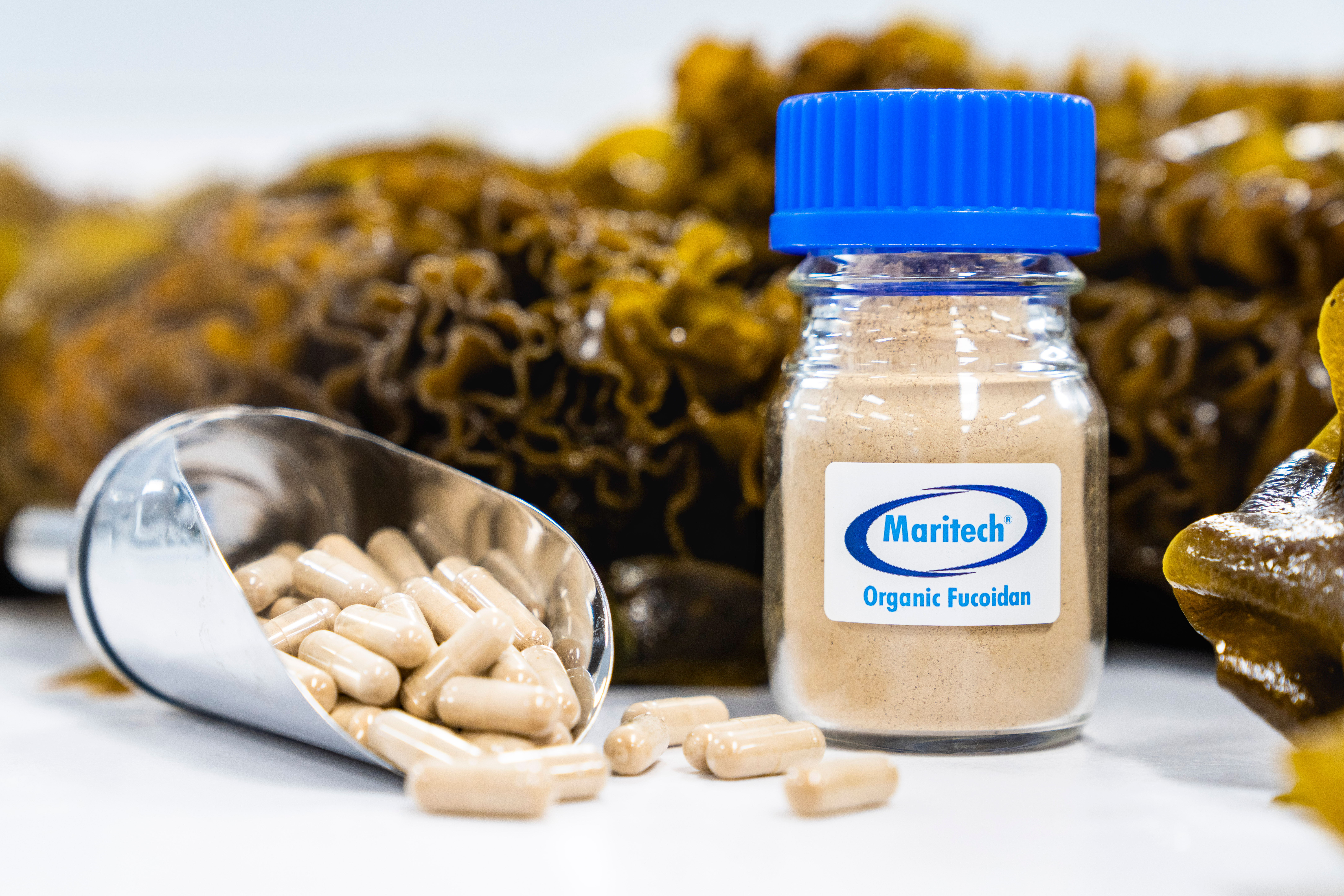
Fucoidan leader reports record production
22 Jan 2026
The global leader in fucoidan science, Marinova Pty Ltd, reported record annual fucoidan production for 2025. The company's total production volume has more than doubled over the past three years.
Read more
India Honours Ashwagandha with Commemorative Postal Stamp at WHO Global Summit
6 Jan 2026
HYDERABAD, December 20, 2025 – India’s Prime Minister Mr. Narendra Modi, alongside WHO Director-General Dr. Tedros Adhanom Ghebreyesus, released a commemorative postal stamp honoring ashwagandha at the recently concluded Second WHO Global Traditional...
Read more
PharmaLinea delivers actionable 2026 insights at the first ever NutraLoop™ Summit
22 Dec 2025
PharmaLinea held its first-ever NutraLoop™ Summit this December. The virtual event featured 12 speakers from companies such as IQVIA, NHCO, Radicle Science, and BeyondBrands, who provided comprehensive insights across the scientific and commercia...
Read more
FrieslandCampina strengthens its global protein position with acquisition of Wisconsin Whey Protein
11 Dec 2025
Royal FrieslandCampina N.V. intends to acquire Wisconsin Whey Protein, a respected producer of whey protein isolates in the United States. Wisconsin Whey Protein will become part of FrieslandCampina Ingredients, a global leader in proteins and prebioti...
Read more
dsm-firmenich names ‘Frosted Star Anise’ as Flavor of the Year 2026, capturing a global desire for warmth and freshness
11 Dec 2025
Kaiseraugst (Switzerland), Maastricht (Netherlands), December 5, 2025 dsm-firmenich, innovators in nutrition, health, and beauty, announces ‘Frosted Star Anise’ as its Flavor of the Year for 2026. This...
Read more
Balchem Makes Strategic Investment in U.S. Food Ingredients Market with New Microencapsulation Manufacturing Facility
11 Dec 2025
Montvale, New Jersey, (10 December, 2025) – Balchem, a leading global manufacturer of specialty ingredients for human nutrition and health, is pleased to announce the development of a new, high-capacity man...
Read more
Fucoidan specialist takes out top international health award
4 Dec 2025
Marinova has been named Australia's most outstanding contributor to international health in the nation's prestigious Australian Export Awards.
Read more