Ingredients Categories
Finished Products
Finished Food Categories
- Bakery
- Beverages / Juices
- Cereal and grain products
- Confectionery
- Cooking Fats & Oils
- Dairy
- Egg products
- Fruits & Vegetables
- Infant & Baby food
- Meat, Poultry & Fish
- Nuts & Seeds products
- Other Finished Food Categories
- Pet Food
- Plant-based foods
- Prepared foods
- Sauces & Seasonings
- Sweet & Savoury Spreads
Specialised Finished Products
- Bee products
- Biotic products
- Dietary supplements
- Energy drinks
- Functional beverages
- Functional confectionery
- Functional food
- Functional powders
- Meal replacement products
- Nutricosmetics
- Other Specialised Finished Products
- Pet Dietary Supplements
- Pharma and OTC products
- Protein products
- Sugar replacers / Sweeteners
Health & Wellness Areas
Delivery Formats
Operations & Services
- 3D printing
- Analysis/ Testing
- Auditing & certifications
- Blending & mixing
- Bottling
- Certification
- Clinical trials
- Co-packing
- Coating
- Consulting
- Contract manufacturing
- Drying
- Electrospinning
- Encapsulating
- Enzymatic processing
- Extracting
- Extrusion
- Fat structuring
- Fermentation
- Filling
- Flavour development
- Freeze drying
- Granulating/ grinding/ milling / mixing
- High-pressure processing
- Labelling
- Other Operations & Services
- Packaging
- Packet filling
- Pasturising
- Quality assurance
- Saccharification
- Shear cell processing
- Spray drying
- Sterilisation
- Storage & Logistics
- Tabletting
- Toasting / roasting
- Ultra-high temperature processing
GreenFood50® Organic Quinoa Flour
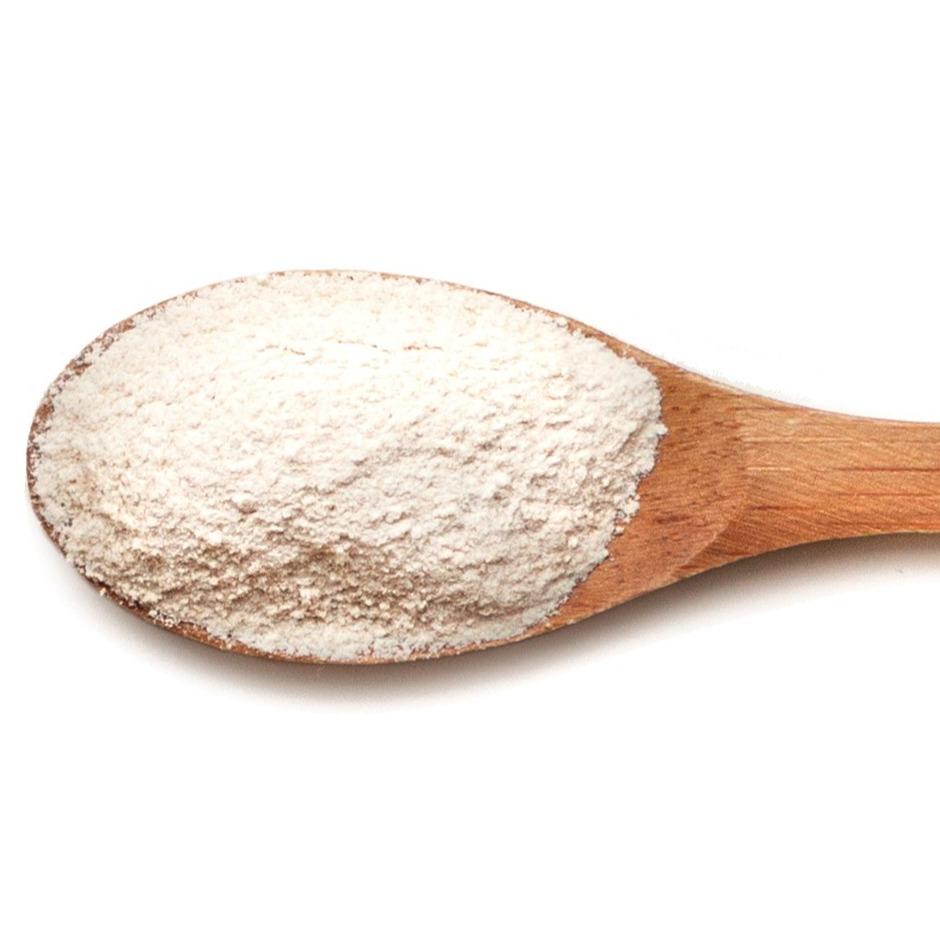
Product description
Quinoa Variety & Sustainability
The quinoa used as raw material for the GreenFood50® Organic Quinoa Flour is grown sustainably, without pesticides, in the EU. The quinoa varieties used were developed by Wageningen University & Research (non-GMO). These new varieties are adjusted to the European growing conditions and have the particularity that they are low in saponin (<0.11%). Saponin is a bitter substance, and traditional varieties in the Andes may contain up to 5% saponin levels. As our varieties are low in saponin there is no need to remove the outer layer from the seeds (by polishing, washing and drying) which keeps the seeds wholegrain. Moreover, this saves water and energy during processing and has the advantage that natural flavour and nutrients are retained. Instead of importing quinoa from the Andes, quinoa grown in the EU contributes to the ‘local for local’ principle, improves the availability of quinoa at affordable price levels and reduces transport emissions.
Nutritional Aspects
Quinoa is the most nutrient-dense 'pseudo-grain' in the world. The protein composition is very balanced with all the essential amino acids present, in an almost perfect balance, especially the lysine, methionine and (iso)leucine levels. The proteins, therefore, have a 100% Amino Acid Score for adults. With a digestibility of 92%, this results in a PDCAAS of 92%. Moreover, our wholegrain quinoa is high in dietary fibre, as it contains 7 g of fibre per 100 g. Quinoa is high in vitamins B1 & B9 (folate) and is a source of vitamin B6. Moreover, it is also high in minerals iron, phosphor and magnesium and is a source of zinc. Our quinoa contains predominantly unsaturated omega 3/6/9 fatty acids (>80% of oil) and is high in omega-3 fatty acids. Quinoa also has a low glycaemic index. Additionally, quinoa is suitable for gluten-free and EU-14 allergen-free products.
Read more
Products from other suppliers
❮
❯
-

Lamequick® VE 56 - Premium Plant-Based Whipping Agent
-

ScanPro™ T - series
-
Superba Boost - Krill Oil concentrate - EU Approved health claims
-
Fruit fibers and apple extracts
-

ViNitrox™
-
Vitamin K2VITAL
-
![[C] rTG Omega 3](https://www.ingredientsnetwork.com/47/product/131/94/85/p1319485th_S39484748.jpg)
[C] rTG Omega 3
-
Energy Drink Powder Private Label Keto Powder Supplement Electrolyte Drink Powder
-
Oro D3
-
Monomagnesium Citrate
GreenFood50® Organic Quinoa Flour