
Ingredients Categories
Finished Products
Finished Food Categories
- Bakery
- Beverages / Juices
- Cereal and grain products
- Confectionery
- Cooking Fats & Oils
- Dairy
- Egg products
- Fruits & Vegetables
- Infant & Baby food
- Meat, Poultry & Fish
- Nuts & Seeds products
- Other Finished Food Categories
- Pet Food
- Plant-based foods
- Prepared foods
- Sauces & Seasonings
- Sweet & Savoury Spreads
Specialised Finished Products
- Bee products
- Biotic products
- Dietary supplements
- Energy drinks
- Functional beverages
- Functional confectionery
- Functional food
- Functional powders
- Meal replacement products
- Nutricosmetics
- Other Specialised Finished Products
- Pet Dietary Supplements
- Pharma and OTC products
- Protein products
- Sugar replacers / Sweeteners
Health & Wellness Areas
Delivery Formats
Operations & Services
- 3D printing
- Analysis/ Testing
- Auditing & certifications
- Blending & mixing
- Bottling
- Certification
- Clinical trials
- Co-packing
- Coating
- Consulting
- Contract manufacturing
- Drying
- Electrospinning
- Encapsulating
- Enzymatic processing
- Extracting
- Extrusion
- Fat structuring
- Fermentation
- Filling
- Flavour development
- Freeze drying
- Granulating/ grinding/ milling / mixing
- High-pressure processing
- Labelling
- Other Operations & Services
- Packaging
- Packet filling
- Pasturising
- Quality assurance
- Saccharification
- Shear cell processing
- Spray drying
- Sterilisation
- Storage & Logistics
- Tabletting
- Toasting / roasting
- Ultra-high temperature processing
News
Arla to sell lactose through GDT
23 Jan 2015Arla Foods Ingredients is to sell lactose ingredients through the Global Dairy Trade (GDT) online auction platform for the first time as part of its bid to become the world’s leading lactose supplier. More than 900,000 tonnes of dairy ingredients are traded each year on GDT, the majority in the form of milk powder. However, […]

 Arla Foods Ingredients is to sell lactose ingredients through the Global Dairy Trade (GDT) online auction platform for the first time as part of its bid to become the world’s leading lactose supplier.
More than 900,000 tonnes of dairy ingredients are traded each year on GDT, the majority in the form of milk powder. However, only limited volumes of lactose are currently sold through the platform. Arla Foods Ingredients intends to start selling lactose via GDT from 15 April 2015.
“GDT attracts more than 650 qualified buyers from more than 90 countries, and yet at present they have very little access to lactose through the platform,” said Luis Cubel, Sales Director for Arla Foods Ingredients’ Permeate & Lactose Business. “We can fill this gap in the market by offering our high quality lactose through GDT, which will boost our efforts to become market leader in the global lactose ingredients sector.”
“Arla Foods, our parent company, already trades skimmed milk powder on GDT so we know how effective it can be in terms of reaching existing and new customers. Our move into lactose will enhance our position in the market.”
GDT is open for bidders twice a month via an online auction. Sellers announce the volume of product available and the starting price, and bidders submit bids on the volume they would like to buy at that price. If demand exceeds supply, the Trading Manager then increases the price for the next round. This continues round by round in an ascending price clock auction until all bidding has ceased.
Arla Foods Ingredients’ decision to offer lactose through GDT comes at a time when the company says it is in the process of significantly increasing its lactose volumes. The official opening of Arla Foods Ingredients’ new lactose factory in Jutland, Denmark, took place in November 2014. When fully operational, it will take Arla Foods Ingredients’ total lactose output – including that produced through joint-ventures – to 115,000 tonnes during 2015.

Get more of our news on Google
Set Ingredients Network as a 'Preferred Source' to get quicker access to the news you value.
Related news

Is creatine going mainstream in food and drink formulation?
24 Sep 2026
The functional ingredient creatine is gaining traction in the food and drink industry, as brands ramp up production investment and explore new applications.
Read more
New GRAS rules offer consumers confidence but companies are concerned
22 Sep 2026
Public health campaigners are celebrating the US government’s move to close the Generally Recognised as Safe (GRAS) loophole, but companies worry it will stifle innovation.
Read more
Kremlin takes control of Nestlé Russia’s assets
18 Sep 2026
Nestlé says it is committed to “taking all necessary steps to protect its rights” after Russian authorities take temporary control of its operations in the country.
Read more
Immunity, wellness, and nutrition: Nutraceutical promise in the Middle East and Africa
17 Sep 2026
Nutraceuticals continue to gain ground across the Middle East and Africa with vitamins, probiotics, and functional drinks doing particularly well, says Euromonitor.
Read more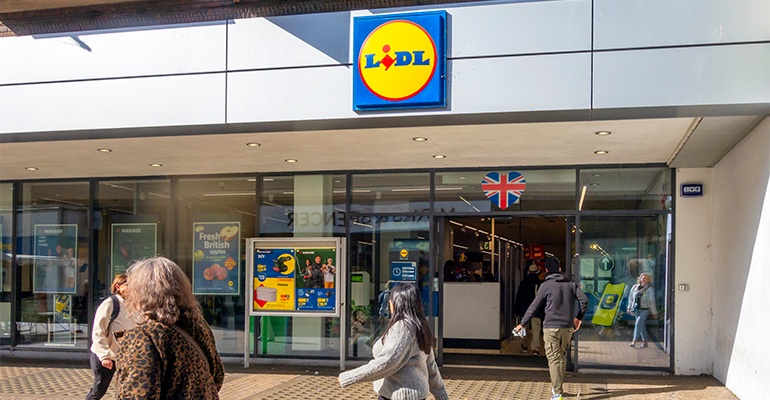
Lidl says Britain 'significantly off track' with healthy and sustainable eating
15 Sep 2026
Discounter retailer Lidl has raised concerns about healthy and sustainable eating habits across Britain, spotlighting how affordability remains a barrier for consumers.
Read more
Do the US dietary guidelines put UPFs under pressure?
10 Sep 2026
Will the US dietary guidelines change the way Americans eat, swapping ultra-processed foods for whole foods? We asked Dr Barry Popkin, renowned nutrition and obesity researcher.
Read more
Food fraud costs UK economy £2bn each year
9 Sep 2026
Food fraud is costing the UK economy up to £2 billion (€2.3 billion) every year although the food sector is more “resilient” than others, according to a recent study.
Read more
Kellogg accelerates work to remove artificial colours from all US cereals
3 Sep 2026
WK Kellogg has announced an accelerated timeline to eliminate all artificial colours and the chemical preservative, BHT, across its full US portfolio of cereals and cereal packaging.
Read more
Skimpflation: An ‘unfair’ and risky approach to keeping prices low
2 Sep 2026
Consumers see skimpflation – reducing the quality of ingredients due to rising costs – as more unfair than shrinkflation, making it a risky strategy according to recent research.
Read more
‘Urgent gaps’ in achieving 2030 food system goals
27 Aug 2026
Global food systems are failing to meet 2030 targets across indicators including health, environment, and resilience, according to a report co-authored by the Food and Agriculture Organisation (FAO).
Read more