
Ingredients Categories
Finished Products
Finished Food Categories
- Bakery
- Beverages / Juices
- Cereal and grain products
- Confectionery
- Cooking Fats & Oils
- Dairy
- Egg products
- Fruits & Vegetables
- Infant & Baby food
- Meat, Poultry & Fish
- Nuts & Seeds products
- Other Finished Food Categories
- Pet Food
- Plant-based foods
- Prepared foods
- Sauces & Seasonings
- Sweet & Savoury Spreads
Specialised Finished Products
- Bee products
- Biotic products
- Dietary supplements
- Energy drinks
- Functional beverages
- Functional confectionery
- Functional food
- Functional powders
- Meal replacement products
- Nutricosmetics
- Other Specialised Finished Products
- Pet Dietary Supplements
- Pharma and OTC products
- Protein products
- Sugar replacers / Sweeteners
Health & Wellness Areas
Delivery Formats
Operations & Services
- 3D printing
- Analysis/ Testing
- Auditing & certifications
- Blending & mixing
- Bottling
- Certification
- Clinical trials
- Co-packing
- Coating
- Consulting
- Contract manufacturing
- Drying
- Electrospinning
- Encapsulating
- Enzymatic processing
- Extracting
- Extrusion
- Fat structuring
- Fermentation
- Filling
- Flavour development
- Freeze drying
- Granulating/ grinding/ milling / mixing
- High-pressure processing
- Labelling
- Other Operations & Services
- Packaging
- Packet filling
- Pasturising
- Quality assurance
- Saccharification
- Shear cell processing
- Spray drying
- Sterilisation
- Storage & Logistics
- Tabletting
- Toasting / roasting
- Ultra-high temperature processing
News
Non-UPF Program extends certification scheme to entire food industry
Natasha Spencer-Jolliffe, Freelance Journalist 30 Nov 2025The Non-UPF Program has extended its certification scheme to the wider food sector, championing a move towards healthier consumption habits.
The Non-UPF Program, a national US nonprofit organisation dedicated to reducing ultra-processed foods (UPFs) in American diets and replacing them with healthier foods, was created to simplify food choices and bring clarity to the confusing world of food labels.
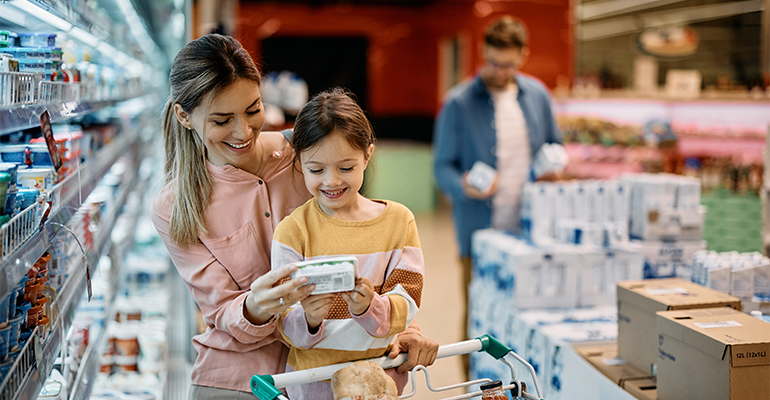
Launched in December 2024, its aim is to make it easier for shoppers to identify non-UPF foods and for companies to convey their commitment to healthier, more transparent products – ultimately, improving public health and lowering the risk of diet-related chronic diseases.
“Imagine standing in front of 15 peanut butter options. The Non-UPF Certification helps you quickly spot which product is truly non-UPF,” Melissa Halas, Non-UPF Program president, told Ingredients Network.
Creating a non-UPF food system
UPF consumption accounts for approximately 67% of total energy intake for US youth aged two to 19 years and about 57% for adults in the US. Three in four US adults are overweight or obese, and just 7% of adults are metabolically healthy.
“The US diet has to change,” Halas said.
Research indicates that a higher intake of UPFs is linked with poorer health outcomes, including a greater risk of heart disease, diabetes, obesity, depression and premature death.
“UPFs are a public health concern across the lifespan,” she added.
The Non-UPF Program says that many UPFs are engineered to increase eating rate, energy density, and hyperpalatability, which can override normal hunger and fullness cues, leading to overeating and metabolic stress. UPFs can also impact behavioural and cognitive function in children, affecting attention and learning.
UPFs often include foods where the food matrix, fibre networks, water content, and phytonutrient-rich polyphenols have been modified or removed. When that matrix is lost, the body experiences food more like a chemical mixture than a whole food.
Removing confusion to encourage healthy choices
Through research, collaboration, and public health advocacy, the Non-UPF Program aims to establish a US movement to redefine the norms surrounding what constitutes “healthy”.
Through clear, credible labelling, paired with education and industry engagement, it aims to shift behaviour in the same way organic and Fair Trade labels have.
“When healthier choices become easier, consumers naturally gravitate toward them,” said Halas.
The Non-UPF Program aims to make healthier choices easier by providing clarity, transparency, and trustworthy guidance in a food marketplace that has become overwhelmingly confusing for consumers.
“Today, most people struggle to identify which packaged foods are truly minimally processed, especially when marketing terms like ‘healthy’, ‘natural’, or ‘organic’ are used on ultra-processed products,” said Halas.
Along with certifying packaged foods, the scheme also certifies produce, uncooked legumes, whole grains, and other minimally processed staples at a nominal cost. This reinforces the message that the healthiest choices are often the simplest ones and helps normalise real foods in grocery environments saturated with ultra-processed options.
By establishing transparent criteria rooted in the Nova framework, the certification encourages food companies to enhance their products, reducing reliance on chemical additives, excessive processing and unnecessary fillers.
“This shifts the marketplace toward simpler, real food ingredients and rewards brands committed to health-forward innovation,” she added.
Sending shoppers science-anchored signals
“The Non-UPF mark gives a simple, science-anchored signal that a product keeps processing light and purposeful,” said Halas.
The non-profit seeks to reduce UPF prevalence through adopting a science-based non-UPF certification food label, consumer and healthcare professional education, as well as research and collaboration. Education and research are considered essential alongside certification.
Currently, it is conducting a study with Teachers College, Columbia University and the Consumer Federation of America to understand dietitians’ attitudes, beliefs, and knowledge around UPFs.
“In practice and precepting, I see the confusion daily – people meet nutrient targets on paper, yet feel worse eating industrial formulations,” Halas said.
The message is that consumers are overwhelmed, and the term “healthy” has been stretched by marketing. The public is becoming aware that many ingredients are not real foods but industrial formulations designed to be edible and may contain harmful additives that have not been adequately tested.
“Their safety is often self-affirmed,” Halas added.
The Non-UPF Program also hopes to reward reformulation toward fewer additives and gentler processing methods. Plus, it seeks to create a living platform for clinicians and researchers to refine criteria as evidence evolves.

Get more of our news on Google
Set Ingredients Network as a 'Preferred Source' to get quicker access to the news you value.
Related news

Do the US dietary guidelines put UPFs under pressure?
10 Sep 2026
Will the US dietary guidelines change the way Americans eat, swapping ultra-processed foods for whole foods? We asked Dr Barry Popkin, renowned nutrition and obesity researcher.
Read more
Food fraud costs UK economy £2bn each year
9 Sep 2026
Food fraud is costing the UK economy up to £2 billion (€2.3 billion) every year although the food sector is more “resilient” than others, according to a recent study.
Read more
Kellogg accelerates work to remove artificial colours from all US cereals
3 Sep 2026
WK Kellogg has announced an accelerated timeline to eliminate all artificial colours and the chemical preservative, BHT, across its full US portfolio of cereals and cereal packaging.
Read more
Skimpflation: An ‘unfair’ and risky approach to keeping prices low
2 Sep 2026
Consumers see skimpflation – reducing the quality of ingredients due to rising costs – as more unfair than shrinkflation, making it a risky strategy according to recent research.
Read more
NielsenIQ’s EU barometer shows Britain leading in grocery inflation
31 Aug 2026
Britain was the only country to record grocery inflation above 2%, according to NielsenIQ data that compared Europe’s five biggest grocery markets from February to May 2026.
Read more
‘Urgent gaps’ in achieving 2030 food system goals
27 Aug 2026
Global food systems are failing to meet 2030 targets across indicators including health, environment, and resilience, according to a report co-authored by the Food and Agriculture Organisation (FAO).
Read more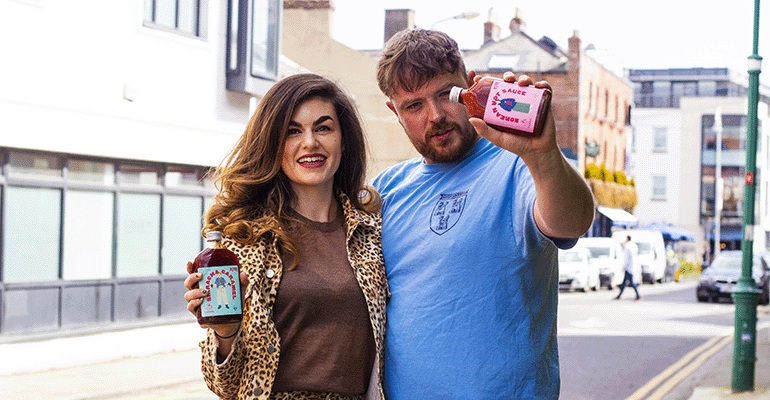
Chimac’s fusion sauces bring Korean flavours to Europe
25 Aug 2026
Irish sauce brand Chimac is tapping into Korea’s culinary traditions, bringing its flavours and products to European consumers who want a taste of K-food.
Read more
Global demand for instant noodles continues to rise
24 Aug 2026
Global demand for instant noodles reached 124.21 billion servings last year, representing a 0.7% year-on-year increase – or 900 million extra servings.
Read more
Popular barbecue staples experience sharp price increases
19 Aug 2026
The typical cost of US shoppers’ barbecue baskets has risen by 12% over the past year – the fastest annual rise in a decade, figures from The Economist show.
Read more
Hot NPD: Nissin launches first cold-water Cup Noodles
18 Aug 2026
Nissin is taking one of Japan’s most iconic instant meals in a completely new direction with the launch of the first cold water-only Cup Noodles in the brand’s 55-year history.
Read more