
Ingredients Categories
Finished Products
Finished Food Categories
- Bakery
- Beverages / Juices
- Cereal and grain products
- Confectionery
- Cooking Fats & Oils
- Dairy
- Egg products
- Fruits & Vegetables
- Infant & Baby food
- Meat, Poultry & Fish
- Nuts & Seeds products
- Other Finished Food Categories
- Pet Food
- Plant-based foods
- Prepared foods
- Sauces & Seasonings
- Sweet & Savoury Spreads
Specialised Finished Products
- Bee products
- Biotic products
- Dietary supplements
- Energy drinks
- Functional beverages
- Functional confectionery
- Functional food
- Functional powders
- Meal replacement products
- Nutricosmetics
- Other Specialised Finished Products
- Pet Dietary Supplements
- Pharma and OTC products
- Protein products
- Sugar replacers / Sweeteners
Health & Wellness Areas
Delivery Formats
Operations & Services
- 3D printing
- Analysis/ Testing
- Auditing & certifications
- Blending & mixing
- Bottling
- Certification
- Clinical trials
- Co-packing
- Coating
- Consulting
- Contract manufacturing
- Drying
- Electrospinning
- Encapsulating
- Enzymatic processing
- Extracting
- Extrusion
- Fat structuring
- Fermentation
- Filling
- Flavour development
- Freeze drying
- Granulating/ grinding/ milling / mixing
- High-pressure processing
- Labelling
- Other Operations & Services
- Packaging
- Packet filling
- Pasturising
- Quality assurance
- Saccharification
- Shear cell processing
- Spray drying
- Sterilisation
- Storage & Logistics
- Tabletting
- Toasting / roasting
- Ultra-high temperature processing
News
Danone highlights digestive health as potential ‘tipping point’ for food industry
David Burrows, Freelance Journalist 13 Nov 2025Danone is betting on a food industry “tipping point” that will bloat the market for healthy products, particularly those related to gut health.
“You just have to look at demographics – there are more elderly people not in an amazing state [of health], and you look at the impact of food on health, and look at the science,” chief executive Antoine de Saint-Affrique told the Financial Times in October.
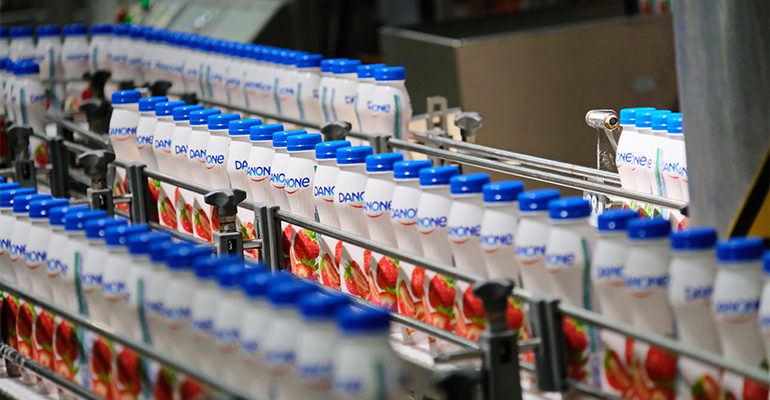
Many diseases are the “consequence of not taking care of the microbiome”, he explained, adding: “It’s too many antibiotics, it’s not the right kind of [dietary] regime.”
The global digestive health products market was estimated at $51.62 billion in 2023 and is projected to reach $68.17 billion by 2030, growing at a CAGR of 8.3% from 2024 to 2030, according to Grand View Research.
“Consumers are increasingly keen to take their health into their own hands and make smarter food and beverage choices that foster good health; notably through the gut,” Karine Dussimon, global insight manager for health and wellness at Euromonitor International, told Ingredients Network.
Dussimon said spending cuts “are made elsewhere” as greater numbers of people are choosing to live healthier for longer, with food and drink playing a central role alongside exercise, sleep, and mindfulness.
Gut health is increasingly understood to be central to this holistic health approach, boosting related health claims such as digestive health as well as immunity, appetite and weight regulation, brain health (including mood and sleep), and more.
“Wellness is no longer elite; it’s for everyone, every day, and it’s perceived more holistically,” Dussimon said.
Ingredient excitement as digestive health claims grow
Excitement is growing in a number of areas, from ingredients and research to product innovation, with a trend towards products offering multiple benefits, like taste, convenience, and sustainability, alongside health and wellbeing.
Take the baobab fruit, which has more fibre than oats and more vitamin C than orange, as just one example of ingredients that are shaking up the prebiotics category.
Inulin leads the category – more specifically, chicory root inulin, along with others such agave and Jerusalem artichoke inulin. However, cassava root (tapioca fibre), acacia gum, and soluble corn fibre are some other noteworthy rising sources of fibre, especially in beverages.
“The soda category has been transformed, with prebiotic drinks and kombucha replacing high sugar with functional ingredients. Companies are also offering products in formats consumers prefer, like gummies and powders,” Michael Hartman, VP of research and development at wellness firm Plexus Worldwide, told Ingredients Network.
McKinsey, a consultancy, has identified wellness as a “resilient category”, where industry players and investors can “insulate themselves from an economic downturn through diversified portfolios with exposure to resilient categories”.
Niveditha Ravishankar, research and development manager at McCain Foods, said the 12% growth in the functional food and beverage industry in the past 12 months was fuelled by demand for gut-friendly products that span pro, pre-, and synbiotics, plus fermented beverages.
Kefir yoghurts, biofortified cereals, fermented drinks – the list of categories benefiting from the trend toward food as a preventive medicine goes on. Digestive health claims (+13% CAGR in food and drinks globally from 2019 to 2024) and those for probiotics (6% CAGR) have increased, according to Euromonitor.
“Gut health isn’t confined to supplements – it’s now in cereals, snacks, and drinks,” said Nathan Clemes, founder of functional drinks brand Unrooted. “Products with ingredients that bring real health benefits are going to be the ones that win big over the next 12 months.”
Weight loss is gut health’s gain
The other current driver for the digestive health market is GLP-1 medications. Users of the weight loss drugs are looking for nutrient-dense foods as their consumption levels fade.
Large companies are investing in and putting real focus into this space, explained Kara Landau, founder of The Prebiotic Dietitian, who cited the example of Danone’s acquisition of The Akkermansia Company, a postbiotic company focused on specific bacteria that has been shown to stimulate GLP-1 release.
Danone also this year opened its OneBiome lab in France with the aim of joining up scientific research and product innovation in the gut health space.
Speaking at the inauguration in September, Isabelle Esser, Danone’s chief research and innovation officer, said: “We believe the future of nutrition lies in understanding and harnessing the power of biotics (prebiotics, probiotics, postbiotics, and synbiotics) for gut health.”
And, as Saint-Affrique told the Financial Times: “The logic that food can have a positive impact on health if properly designed is something that we’ve been advocating for ever.”

Get more of our news on Google
Set Ingredients Network as a 'Preferred Source' to get quicker access to the news you value.
Related news

Do the US dietary guidelines put UPFs under pressure?
10 Sep 2026
Will the US dietary guidelines change the way Americans eat, swapping ultra-processed foods for whole foods? We asked Dr Barry Popkin, renowned nutrition and obesity researcher.
Read more
Food fraud costs UK economy £2bn each year
9 Sep 2026
Food fraud is costing the UK economy up to £2 billion (€2.3 billion) every year although the food sector is more “resilient” than others, according to a recent study.
Read more
Skimpflation: An ‘unfair’ and risky approach to keeping prices low
2 Sep 2026
Consumers see skimpflation – reducing the quality of ingredients due to rising costs – as more unfair than shrinkflation, making it a risky strategy according to recent research.
Read more
NielsenIQ’s EU barometer shows Britain leading in grocery inflation
31 Aug 2026
Britain was the only country to record grocery inflation above 2%, according to NielsenIQ data that compared Europe’s five biggest grocery markets from February to May 2026.
Read more
‘Urgent gaps’ in achieving 2030 food system goals
27 Aug 2026
Global food systems are failing to meet 2030 targets across indicators including health, environment, and resilience, according to a report co-authored by the Food and Agriculture Organisation (FAO).
Read more
China beverages: Is herbal innovation the future?
20 Aug 2026
Herbal and botanical innovation in China's drinks market continues to grow, with ingredients like astragalus root, ginger, and ginseng in the spotlight – and focus shifting far beyond refreshment.
Read more
Popular barbecue staples experience sharp price increases
19 Aug 2026
The typical cost of US shoppers’ barbecue baskets has risen by 12% over the past year – the fastest annual rise in a decade, figures from The Economist show.
Read more
Beyond 'nice to have': A spotlight on US functional beverages
12 Aug 2026
Functional beverage interest in the US is gaining important ground as consumers now expect function rather than see it as "nice to have", and there are clear market gaps for growth, according to Spate.
Read more
Manam Chocolate aims to bring premium Indian cacao to 'the world stage'
11 Aug 2026
Craft chocolate brand Manam Chocolate is investing in local expansion and supply chain innovation throughout India as it works to build out the premium reputation of its locally produced cacao products.
Read more
Digital twin technology gains ground in food manufacturing
6 Aug 2026
Food and beverage companies are increasingly turning to digital twins to optimise and automate manufacturing processes, but opportunities stretch far beyond this, say experts.
Read more