
Sponsored Content
Authorised antioxidants in food and nutraceutical organic products
9 Sep 2024
Protection against oxidation is crucial for maintaining freshness and nutritional quality in organic products.
Learn about EU and US regulations governing their use and explore innovations like Tocobiol® Organic by BTSA, a 100% organic tocopherol-based antioxidant offering flexibility without compromising ecological integrity.
Optimize your organic formulations with certified natural solutions!
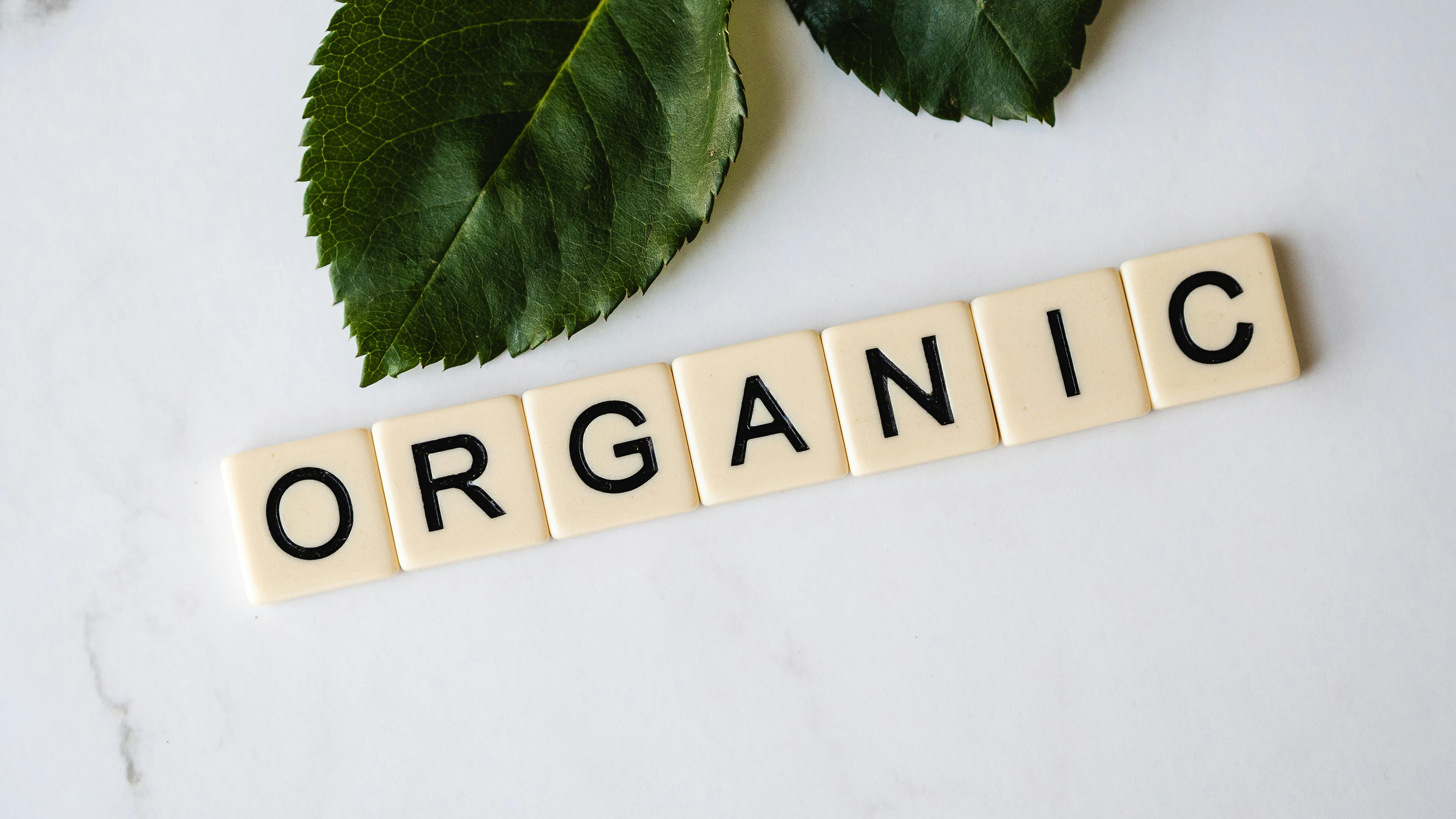
Extending the shelf life and ensuring organic products’ protection against oxidation requires using technological antioxidants. Moreover, these products must comply with strict regulations to ensure their organic integrity. While the ideal scenario involves using only organic ingredients the reality is that we cannot always find natural ingredients with the desired functions.
This article explores the various antioxidants authorised in organic food and nutraceutical products, examining their regulatory frameworks in the EU and the US.
Furthermore, we will highlight innovative products like BTSA’ Tocobiol® Organic, which provides a fully organic solution for antioxidant needs, allowing manufacturers greater flexibility within the non-organic allowance.
Regulatory frameworks for antioxidants
Antioxidants are crucial in food and nutraceutical products because they can prevent oxidative damage, which can lead to spoilage and loss of nutritional quality. By inhibiting oxidation, antioxidants extend the shelf life of products and preserve their health benefits. This is particularly important in organic products, where synthetic antioxidants are restricted.
An antioxidant is considered organic when it is derived from organically grown plants or animals, processed without synthetic chemicals and certified by an accredited organic certification.
In the European Union, organic products are controlled by Regulation (EU) 2018/848. This regulation allows up to 5% of non-organic ingredients in organic products, provided these ingredients are included in a specified list of authorised substances.
In the United States, the National Organic Program (NOP), administered by the USDA, sets the standards for organic products. Similar to the EU, the NOP mandates that organic products must contain at least 95% organic ingredients. The remaining 5% can be non-organic if they are included on the National List of Allowed and Prohibited Substances.
Non-organic antioxidants authorised in organic products
The use of non-organic antioxidants in organic food products is strictly regulated to ensure they are only used when necessary and in the smallest amounts required to achieve their intended effect. Moreover, these antioxidants must be derived from natural sources whenever possible, even if they are not certified organic.
Antioxidants authorised: Tocopherol-rich extract (E306)
One of the key non-organic natural antioxidants authorised for use is the tocopherol-rich extract, also known by its additive code E306. Even though it is not certified organic, it comes from a natural origin, such as vegetable oils, and it is used to prevent the oxidation of fats and oils in food products, thereby preserving their quality and extending their shelf life.
Antioxidants authorised: Ascorbic acid or vitamin C (E300)
Ascorbic acid, also known as vitamin C and designated as E300, is another antioxidant permitted in organic food products that plays a crucial role in preventing oxidation and maintaining the freshness and nutritional quality of food. It can be naturally derived from fruits and vegetables or synthesised. It is utilised for its ability to inhibit enzymatic and non-enzymatic oxidation processes, which can lead to the browning and deterioration of food products.
Antioxidants authorised: Citric acid (E330)
Citric acid, designated as E330, is a weak organic acid naturally found in citrus fruits. This is permitted in organic products provided it is used in limited quantities necessary to achieve its technical function. Its use is typically allowed when derived from non-GMO sources and produced without synthetic solvents. Sodium ascorbate, designated as E301, is a sodium salt of ascorbic acid. It is used for its antioxidant properties to maintain the colour and freshness of food products.
Organic antioxidants authorised in organic products
Organic antioxidants commonly used in organic food and nutraceutical products include rosemary extract, grape seed extract, and green tea extract.
Ascorbic acid and tocopherol-rich extract can also be classified as organic antioxidants if they meet the stringent standards required by organic product regulations.
In particular, for ascorbic acid to be considered organic, it must be derived from organically grown fruits and vegetables, such as citrus fruits, strawberries, or bell peppers. These plants must be grown according to organic farming practices, which promote soil health, biodiversity, and ecological balance. The processing of organic ascorbic acid involves methods that avoid synthetic additives and preservatives, ensuring the antioxidant maintains its organic certification.
Similarly, when tocopherol-rich extract is labelled as organic, it means that the tocopherols are derived from plants grown without synthetic pesticides, herbicides, or fertilisers. The extraction process for organic tocopherol-rich extract must also avoid synthetic solvents and chemicals, instead using natural methods such as cold pressing or natural solvent extraction.
Tocobiol® Organic as an organic authorized antioxidant
BTSA’ Tocobiol® Organic meets all these requirements and represents a significant innovation in the field of organic antioxidants for food and nutraceutical products. It is a technological antioxidant unique in the market, developed exclusively by BTSA, a global company with over 30 years of experience developing natural ingredients, and leaders in natural antioxidants and vitamin E.
Tocobiol® Organic is the first tocopherol-based antioxidant certified 100% organic according to EU and US regulations. As entirely organic, it does not count towards the 5% non-organic ingredient limit established by the regulation and can have unlimited use in organic food and nutraceutical products.
Tocobiol® Organic provides, thus, high flexibility to organic products’ formulations. This allows formulators to include other essential non-organic ingredients, such as additives and preservatives, within the allowed 5% percentage, optimising product formulation without compromising organic integrity. For comprehensive protection against oxidation, we recommend pairing it with other BTSA’s non-organic antioxidants, such as Nutrabiol® T, a 100% natural mixed tocopherols concentrate from non-GMO vegetable oil.
Companies mentioned
Related categories
Related news

Benefits of using natural antioxidants in food
20 Nov 2025
The dietary habits of individuals are undergoing a transformation, with consumers increasingly seeking new, healthier, and higher-quality formulas. This shift signifies a growing awareness of food ingredients, including preservatives, additives, a...
Read more
Oat Barista: Innovation for game-changing beverages
20 Nov 2025
Oat Barista is a clean label, sustainable, and innovative drink base specifically designed to create the perfect foam in one single ingredient.
Read more
The Umami Renaissance: Clean Label & Cost Control with Ready-to-Use Fungal Bases
19 Nov 2025
Consumers demand authentic, rich flavor (Umami) and simple labels. The fungal protein market is growing at a 5.6% CAGR, offering manufacturers the solution: heat-stable, natural bases that eliminate prep costs and supply risks associated with raw wild ...
Read more
Azelis brings a taste of global street food innovation to Food Ingredients Europe 2025
18 Nov 2025
Azelis, the reference innovation service provider in the speciality chemicals and food ingredients industry, will showcase its latest Food & Nutrition innovations at Food Ingredients Europe (FiE) 2025, taking place from 2 to 4 December at Paris Expo Po...
Read more
PharmaLinea acquired by ANJAC Health & Beauty Group
18 Nov 2025
Ljubljana, 12.11. 2025 PharmaLinea, a leading provider of clinically supported private label food supplements has announced its acquisition by ANJAC Health & Beauty, a French industrial group that now comprises 17 complementary companies with R&D an...
Read more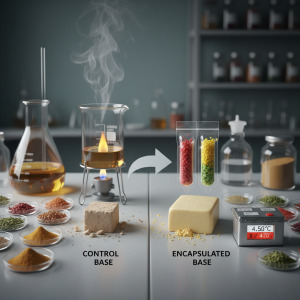
The Heat Test: How Encapsulation and Bases are Ending the Multi-Billion Dollar Flavor Fade
18 Nov 2025
Flavor degradation during heat processing is a major financial risk in food manufacturing. In 2025, R&D is shifting to advanced encapsulation and heat-stable bases to protect volatile flavor compounds and ensure final product consistency.
Read more
Use Case Spotlight: Versatile Bases Solve Key Challenges in Ready Meals, Sauces, and Cheese
17 Nov 2025
Ready-to-use bases are the manufacturing solution for the $425 Billion RTE market. Our versatile ingredients solve core issues in three top categories: taste, clean-label compliance, and complex texture stability.
Read more
Hilmar Cheese & Whey Protein Awarded Medals
17 Nov 2025
Hilmar Cheese Company, Inc. was awarded top honors at the CheeseCon banquet celebrating the United States Championship Cheese Contest® on April 17, 2025.
Read more
Hilmar Cuts the Ribbon at New Dodge City Facility
17 Nov 2025
Hilmar Cheese Company, Inc., one of the world’s largest cheese manufacturers and a global supplier of high-quality whey ingredients was joined by Kansas Governor Kelly, U.S. Senator Moran and other federal, state and local officials to officially mark ...
Read more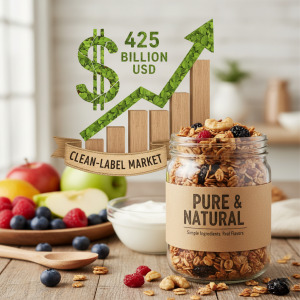
Data Insight: Clean-Label Adoption Drives US$425 Billion Market, Prioritizing Simplicity and Natural Flavors
14 Nov 2025
The Clean Label Products market is projected to grow from US$425.32 billion in 2025 to over US$712 billion by 2034, driven by consumers prioritizing recognizability, minimal processing, and natural ingredient replacement.
Read more