
Ingredients Categories
Finished Products
Finished Food Categories
- Bakery
- Beverages / Juices
- Cereal and grain products
- Confectionery
- Cooking Fats & Oils
- Dairy
- Egg products
- Fruits & Vegetables
- Infant & Baby food
- Meat, Poultry & Fish
- Nuts & Seeds products
- Other Finished Food Categories
- Pet Food
- Plant-based foods
- Prepared foods
- Sauces & Seasonings
- Sweet & Savoury Spreads
Specialised Finished Products
- Bee products
- Biotic products
- Dietary supplements
- Energy drinks
- Functional beverages
- Functional confectionery
- Functional food
- Functional powders
- Meal replacement products
- Nutricosmetics
- Other Specialised Finished Products
- Pet Dietary Supplements
- Pharma and OTC products
- Protein products
- Sugar replacers / Sweeteners
Health & Wellness Areas
Delivery Formats
Operations & Services
- 3D printing
- Analysis/ Testing
- Auditing & certifications
- Blending & mixing
- Bottling
- Certification
- Clinical trials
- Co-packing
- Coating
- Consulting
- Contract manufacturing
- Drying
- Electrospinning
- Encapsulating
- Enzymatic processing
- Extracting
- Extrusion
- Fat structuring
- Fermentation
- Filling
- Flavour development
- Freeze drying
- Granulating/ grinding/ milling / mixing
- High-pressure processing
- Labelling
- Other Operations & Services
- Packaging
- Packet filling
- Pasturising
- Quality assurance
- Saccharification
- Shear cell processing
- Spray drying
- Sterilisation
- Storage & Logistics
- Tabletting
- Toasting / roasting
- Ultra-high temperature processing
News
Fish oil and fishmeal shortages hit omega-3 supply chain
Rik Moors 9 Oct 2025Climate pressure, overfishing, and aquaculture growth are driving a scarcity of marine ingredients, says Rabobank.
Global shortages of marine-derived feed ingredients are disrupting the omega-3 supply chain, with fishmeal projected to run short by 2028 and fish oil scarcity intensifying, its research shows.
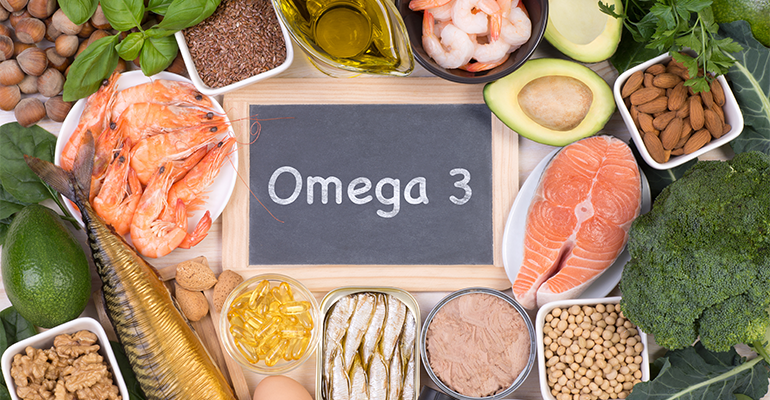
The RaboResearch report Seafood Feed Futures outlines how the combined effect of rising aquaculture production, stagnant wild fish catches, and climate-related supply disruptions could drive up prices and drastically increase price volatility.
Aquaculture producers now consume over 90% of global fishmeal supply, up from 79% in 2013, while their share of fish oil is approximately 70%.
Salmon farming alone accounts for more than half of that. With limited capacity to increase supply, and few scalable alternatives, marine ingredients could become cost-prohibitive for many feed applications.
Fish oil increasingly diverted to supplements and pet food
Fish oil demand is increasingly driven by sectors with inelastic pricing models, such as omega-3 dietary supplements and premium pet food brands. These categories have doubled their fish oil use since 2013, and are able to absorb higher input costs than aquaculture feed producers, according to RaboResearch.
As a result, fish oil is reallocated from general aquaculture to high-margin uses, a trend reinforced by a sustained demand growth of 2 to 4% each year. Shortages of 20,000 metric tonnes could emerge as early as this year, with further gaps forecast through to 2033.
The shortage comes as brands continue to expand omega-3 ingredient use across a wide range of consumer health products. Between 2022 and 2024, the top launch categories globally for omega-3s were dietary supplements, infant formula, and growing-up milks, according to the Mintel report Nutrition watch: Omega-3 fatty acids.
Sustainability-linked marketing claims now appear more frequently than plant-based claims, reflecting growing pressure on brands to demonstrate responsible sourcing.
However, with fish oil prices increasing and marine resources under stress, ensuring a secure supply of uncontaminated eicosapentaenoic acid (EPA) and docosahexaenoic acid (DHA) is becoming more difficult.
Climate variability and fishery pressure add instability
Small pelagic fish, including anchovies, sardines, and mackerel, form the main source of fishmeal and fish oil. These species are vulnerable to both overfishing and climate variability, particularly ocean-atmosphere phenomena such as the El Niño-Southern Oscillation (ENSO) and the Atlantic Multidecadal Oscillation (AMO).
These large-scale climate cycles influence ocean temperatures and currents, which in turn affect spawning success, biomass distribution, and catch volumes. A May 2025 study in the journal Marine Policy analysing long-term fisheries data found that ENSO and AMO patterns significantly alter small pelagic fish availability across regions.
As fish oil becomes scarcer, aquaculture producers have reduced its inclusion in feed. Between 2006 and 2015, the omega-3 content of farmed salmon was halved due to the replacement of fish oil with plant-based oils. Yet omega-3 levels remain a core health claim for farmed fish, particularly Atlantic salmon.
Fish byproducts as fish oil sources
Researchers from the University of Stirling have developed a nutrient-based efficiency metric, nFifo (nutrient Fish-In Fish-Out), to quantify how much omega-3 is retained in edible fish compared with the amount used in feed. Their findings show that by replacing whole fish with processing byproducts as raw materials, the nFifo can be reduced from 2.17 to below 0.5 without lowering omega-3 output.
Byproducts such as trimmings, heads, and skins now account for around 50% of global fish oil production. These materials are rich in omega-3s, particularly from species like herring and mackerel, but are often wasted due to perishability and logistical constraints.
Collection and storage of byproducts require infrastructure that is not always available, especially aboard fishing vessels or in remote processing regions. This limits their potential as a reliable alternative to whole fish inputs, despite their nutritional and environmental advantages.
Algae, fermentation, and genetically modified crops
To reduce reliance on marine resources, companies are scaling production of alternative omega-3 sources.
Iceland-based Orlo Nutrition farms microalgae indoors using geothermal energy to produce EPA and DHA, claiming 99% lower land and water use than traditional sources in a carbon-negative breeding facility. It also offers consumers personalised omega-3 index tests to tailor supplementation.
In the Netherlands, Corbion manufactures AlgaePrime omega-3s via precision fermentation of marine microalgae. The process offers a clean, scalable supply route for both supplements and aquafeed, and is already in use by feed producers.
Scientists at Rothamsted Research, a non-profit based in the UK, have genetically engineered the oilseed crop Camelina sativa to produce EPA and DHA. The oil has been shown to be safe in human trials, though it is not yet available in market products.
The development offers a land-based route to marine-equivalent fatty acids, with potential applications in both food and feed.

Get more of our news on Google
Set Ingredients Network as a 'Preferred Source' to get quicker access to the news you value.
Related news

Pump-based liquid pet supplement focuses on health and convenience
8 Sep 2026
Prefera Pet Food uses a plastic pump-based packaging to make administering its liquid supplements for cats and dogs easier, healthier, and more accurate.
Read more
Health and wellness engagement matures across Middle East and Africa
4 Sep 2026
Many consumers in the Middle East and Africa are now proactively engaged in health and wellness, looking to integrate better habits and products into their daily lives, say experts.
Read more
Women’s hormonal health: Familiar ingredients beat novel actives
13 Aug 2026
Hormonal symptoms affect women across life stages, and FMCG Gurus says the ingredients best placed to support them are those with which they are already familiar.
Read more
The Vitamin Shoppe’s top five US health and wellness trends
30 Jul 2026
A TikTok-driven fibre boom, liver health, and a preference for trademarked ingredients are some of the top trends shaping health and wellness, according to The Vitamin Shoppe.
Read more
Pet food brands chase the GLP-1 trend with fibre and flavonoids
29 Jul 2026
Omni and PetNutra are developing dog supplements around the GLP-1 pathway, using ingredients like fibre, resistant starch, and a citrus flavonoid.
Read more
ZOE launches gut health snack bar to make 'complex nutrition accessible'
9 Jul 2026
UK gut health company ZOE has launched a snack bar made with 12 plant-based ingredients whose natural structure is intact in order to maximise dietary diversity and support the microbiome.
Read more
Supplements market: Healthy ageing to maintain US ‘top spot’ through 2029
25 Jun 2026
Healthy ageing is the fastest growing supplement category in the US as consumers seek foundational and longevity-oriented solutions, says Nutrition Business Journal.
Read more
Food and drink giants call for postponements to EU packaging laws
1 Jun 2026
Some of Europe’s biggest companies, including Coca-Cola, Kraft Heinz, McCormick, and Mondelēz, have called for new EU rules on packaging to be delayed.
Read more
CMC’s impact on gut health comes under increasing scrutiny
25 May 2026
Carboxymethylcellulose (CMC) has been associated with gut dysbiosis. Should food and supplement manufacturers be concerned?
Read more
Supplements market update: Consumers seek targeted health solutions
22 May 2026
While vitamins, gummies, and protein powder are some of the largest supplement categories, dynamic pockets such as clear protein, mushroom-based products, and GLP-1 support are driving growth, NBJ data shows.
Read more