
Ingredients Categories
Finished Products
Finished Food Categories
- Bakery
- Beverages / Juices
- Cereal and grain products
- Confectionery
- Cooking Fats & Oils
- Dairy
- Egg products
- Fruits & Vegetables
- Infant & Baby food
- Meat, Poultry & Fish
- Nuts & Seeds products
- Other Finished Food Categories
- Pet Food
- Plant-based foods
- Prepared foods
- Sauces & Seasonings
- Sweet & Savoury Spreads
Specialised Finished Products
- Bee products
- Biotic products
- Dietary supplements
- Energy drinks
- Functional beverages
- Functional confectionery
- Functional food
- Functional powders
- Meal replacement products
- Nutricosmetics
- Other Specialised Finished Products
- Pet Dietary Supplements
- Pharma and OTC products
- Protein products
- Sugar replacers / Sweeteners
Health & Wellness Areas
Delivery Formats
Operations & Services
- 3D printing
- Analysis/ Testing
- Auditing & certifications
- Blending & mixing
- Bottling
- Certification
- Clinical trials
- Co-packing
- Coating
- Consulting
- Contract manufacturing
- Drying
- Electrospinning
- Encapsulating
- Enzymatic processing
- Extracting
- Extrusion
- Fat structuring
- Fermentation
- Filling
- Flavour development
- Freeze drying
- Granulating/ grinding/ milling / mixing
- High-pressure processing
- Labelling
- Other Operations & Services
- Packaging
- Packet filling
- Pasturising
- Quality assurance
- Saccharification
- Shear cell processing
- Spray drying
- Sterilisation
- Storage & Logistics
- Tabletting
- Toasting / roasting
- Ultra-high temperature processing
News
Liquid liposomal tech is best for bioavailability, says Valerie
Lynda Searby, Freelance Journalist 16 Feb 2026UK brand Valerie uses liposomal nanotechnology to ensure its liquid-format perimenopause supplement is highly bioavailable compared to capsules.
In a sea of soft gels, tablets, and capsules, Valerie’s decision to swim against the tide and go with a liquid format for its women’s health supplement is a bold one. But then again, this brand is no shrinking violet.
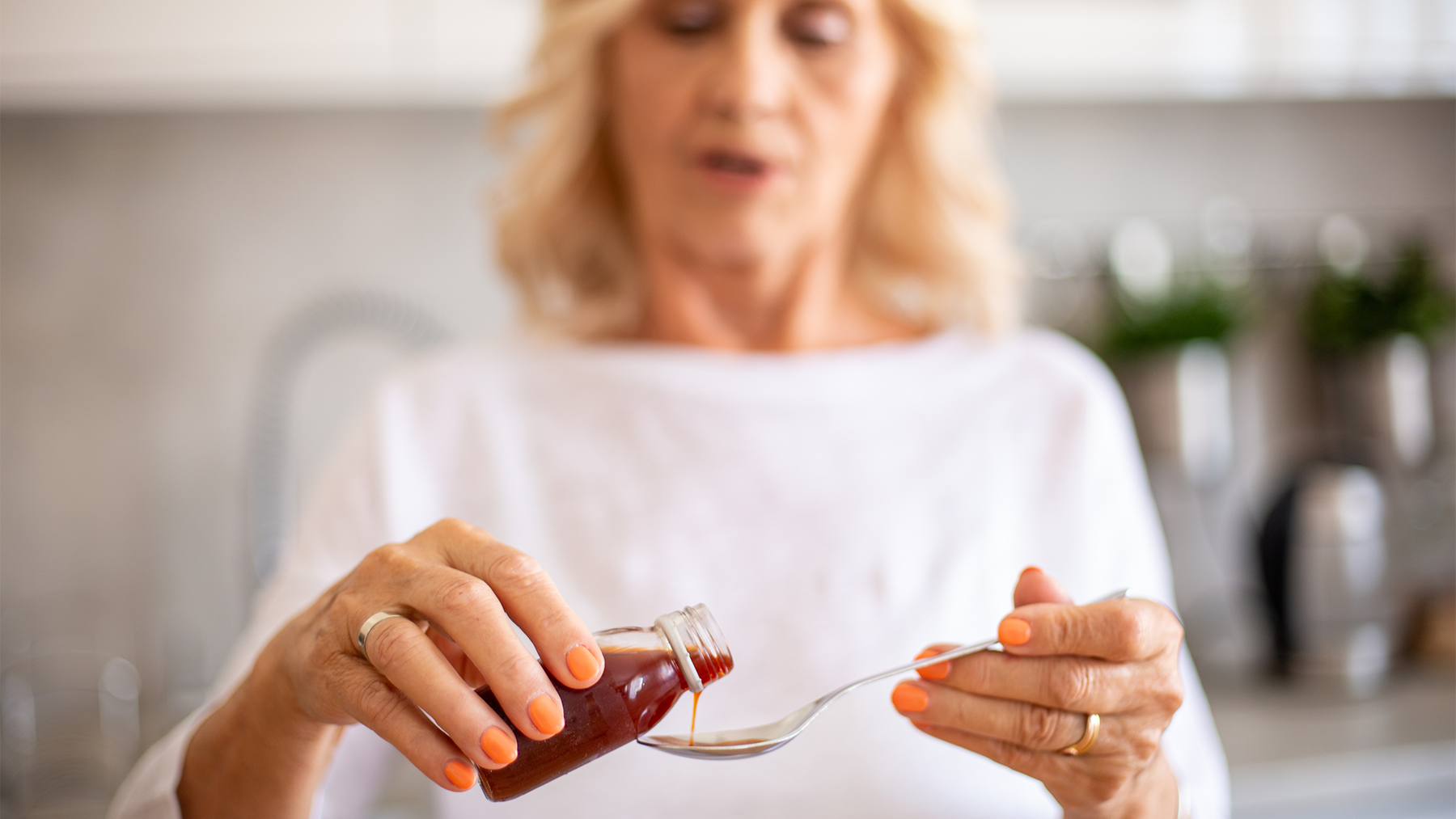
The language it employs to convey its messaging is explicit. Its taboo-smashing manifesto is all about “dragging the perimenopause kicking and screaming out into the open” and liberating women from a gender gap that has been “shrouded in shame and secrecy”.
“When launching any new product in any category or market, you need to have a clear unique selling point (USP). Our brand is founded on two pillars: one being the science and technology, and the other being our brand marketing and positioning, and the way we talk to consumers in an unflinchingly real way,” Wizz Selvey, founder of Valerie, told this publication.
Liposomal nanotechnology is integral to the science that underpins the brand’s proposition. This cutting-edge technique delivers the supplement’s dose of 12 active nutrients in a way the body can absorb, Selvey explained.
“We chose liposomal nanotechnology because when nutrients are delivered in this way they are much more bioavailable then when in pills and powders. We knew that the supplement would be much more effective and that the women taking it would see the results,” she said.
Protective nutrient delivery system
Explaining how it works, Selvey said: “The nutrients are encapsulated in nano-sized fat soluble cells made from sunflower phospholipids, which means they are protected as they pass through the body’s digestive system and can get safely into the bloodstream.”
She continued: “The problem with formats like pills, powders, gummies, and non-liposomal liquids, is that they get processed by the digestive and liver enzymes as they pass through your system, so as a result, your body is only absorbing about 10 to 20% of the nutrients.”
In contrast, the body absorbs about 98% of a liposomal supplement, so none of the nutrients are wasted, Selvey said.
Valerie says it is able to back its claims about bioavailability with science. The company has invested in independent third-party studies to evaluate the efficacy of its liposomal formulation. In these studies, the bioavailability of liposomal magnesium, iron, and curcumin – three of the ingredients in Valerie’s Daily Essential formulation – was compared to non-liposomal powder forms of these ingredients.
The results showed that liposomal iron is 398 more bioavailable than non-liposomal powder iron, liposomal curcumin is 46 times more bioavailable than its non-liposomal counterpart, and magnesium is 5.2 times more bioavailable than when in non-liposomal powder form.
“We haven’t yet done a study on the full formulation, but these studies demonstrate the increase in bioavailability – otherwise known as nutrient absorption rate – when using our patent-pending liposomes versus other traditional supplement formats like tablet and powders,” said Selvey.
This level of efficacy comes at a cost. The formulation itself is expensive to produce, requiring specialist expertise and advanced equipment, resulting in an end user price that is at the higher end of the category spectrum.
Consumers can subscribe to receive a 30-day supply of Valerie Daily Essential for £38.35 or a 90-day supply for £106.20. The company also offers an AM:PM bundle of Daily and Evening Essential, which provides 17 active nutrients in a dual phase system, for £89 per month.
One shot, no more supplement stacking
However, Selvey is unapologetic about the cost of the supplement, pointing out that it provides 12 nutrients in one shot, and that once people look into the science behind Valerie, they understand why it costs what it does.
“I think particularly among the demographic we are targeting, which is women who are 35+, there is a lot of mistrust, because they have taken supplements before, usually a powder or pill, and haven’t really felt the difference. People want proof; they want to know that what they are spending their money on is worth it.
“So yes, we might be at a higher price point, but customers are getting value for money because they are getting all their supplements in one shot, and then there’s the bioavailability… Some people are spending hundreds a month on supplement stacking, and if they aren’t absorbing them, it’s a waste of money.”
Not content with relying on lab studies alone for proof of efficacy, Valerie commissioned a 12-week consumer trial to evaluate the impact of Daily Essential in perimenopausal women. After four weeks of taking the supplement daily, 80% reported feeling a difference in their symptoms, and after 12 weeks, 96% reported sharper focus and a clearer mind, 88% felt a boost in energy, and 92% felt calmer and more relaxed.
In conjunction with a raft of positive Trustpilot reviews, this consumer study has contributed to a growing user evidence base for Valerie.
“We developed this product in this format because we were confident it would work, but the impact it has had on women’s lives is incredible,” said Selvey.
Valerie is currently on sale in the UK in Revital and Liberty stores, and online via Holland & Barrett.

Get more of our news on Google
Set Ingredients Network as a 'Preferred Source' to get quicker access to the news you value.
Related news

M&S launches own-brand pet food range
11 Sep 2026
UK retailer Marks & Spencer has launched its own-brand pet food line Paws & Pals – a well-timed and strategic move that will appeal to loyal shoppers, says a marketing expert.
Read more
Do the US dietary guidelines put UPFs under pressure?
10 Sep 2026
Will the US dietary guidelines change the way Americans eat, swapping ultra-processed foods for whole foods? We asked Dr Barry Popkin, renowned nutrition and obesity researcher.
Read more
Food fraud costs UK economy £2bn each year
9 Sep 2026
Food fraud is costing the UK economy up to £2 billion (€2.3 billion) every year although the food sector is more “resilient” than others, according to a recent study.
Read more
EU's ban on Brazilian meat expected to raise prices
7 Sep 2026
Around 25% of the EU’s imported chicken and beef comes from Brazil. From September, products that fail to meet the EU antimicrobial resistance rules will be banned.
Read more
Skimpflation: An ‘unfair’ and risky approach to keeping prices low
2 Sep 2026
Consumers see skimpflation – reducing the quality of ingredients due to rising costs – as more unfair than shrinkflation, making it a risky strategy according to recent research.
Read more
NielsenIQ’s EU barometer shows Britain leading in grocery inflation
31 Aug 2026
Britain was the only country to record grocery inflation above 2%, according to NielsenIQ data that compared Europe’s five biggest grocery markets from February to May 2026.
Read more
‘Urgent gaps’ in achieving 2030 food system goals
27 Aug 2026
Global food systems are failing to meet 2030 targets across indicators including health, environment, and resilience, according to a report co-authored by the Food and Agriculture Organisation (FAO).
Read more
Seven-Eleven uses microbial testing tech to extend katsudon shelf life
26 Aug 2026
Japanese retail company Seven-Eleven has improved its factory’s microbial environment to keep comfort-food staple, katsudon, fresher for longer.
Read more
Chimac’s fusion sauces bring Korean flavours to Europe
25 Aug 2026
Irish sauce brand Chimac is tapping into Korea’s culinary traditions, bringing its flavours and products to European consumers who want a taste of K-food.
Read more
Global demand for instant noodles continues to rise
24 Aug 2026
Global demand for instant noodles reached 124.21 billion servings last year, representing a 0.7% year-on-year increase – or 900 million extra servings.
Read more