
Ingredients Categories
Finished Products
Finished Food Categories
- Bakery
- Beverages / Juices
- Cereal and grain products
- Confectionery
- Cooking Fats & Oils
- Dairy
- Egg products
- Fruits & Vegetables
- Infant & Baby food
- Meat, Poultry & Fish
- Nuts & Seeds products
- Other Finished Food Categories
- Pet Food
- Plant-based foods
- Prepared foods
- Sauces & Seasonings
- Sweet & Savoury Spreads
Specialised Finished Products
- Bee products
- Biotic products
- Dietary supplements
- Energy drinks
- Functional beverages
- Functional confectionery
- Functional food
- Functional powders
- Meal replacement products
- Nutricosmetics
- Other Specialised Finished Products
- Pet Dietary Supplements
- Pharma and OTC products
- Protein products
- Sugar replacers / Sweeteners
Health & Wellness Areas
Delivery Formats
Operations & Services
- 3D printing
- Analysis/ Testing
- Auditing & certifications
- Blending & mixing
- Bottling
- Certification
- Clinical trials
- Co-packing
- Coating
- Consulting
- Contract manufacturing
- Drying
- Electrospinning
- Encapsulating
- Enzymatic processing
- Extracting
- Extrusion
- Fat structuring
- Fermentation
- Filling
- Flavour development
- Freeze drying
- Granulating/ grinding/ milling / mixing
- High-pressure processing
- Labelling
- Other Operations & Services
- Packaging
- Packet filling
- Pasturising
- Quality assurance
- Saccharification
- Shear cell processing
- Spray drying
- Sterilisation
- Storage & Logistics
- Tabletting
- Toasting / roasting
- Ultra-high temperature processing
News
Vitafoods Middle East and Africa to launch in Dubai in 2026
Niamh Michail, Head of Publishing 9 Jan 2026The Vitafoods portfolio of nutraceutical events is expanding, with Vitafoods Middle East and Africa launching in September 2026 in Dubai, United Arab Emirates.
Held at the Dubai World Trade Centre on 22-23 September 2026, Vitafoods Middle East and Africa aims to connect stakeholders from across the region’s nutraceutical industry, including manufacturers and distributors of finished products and ingredients, contract manufacturers, and private label manufacturers.
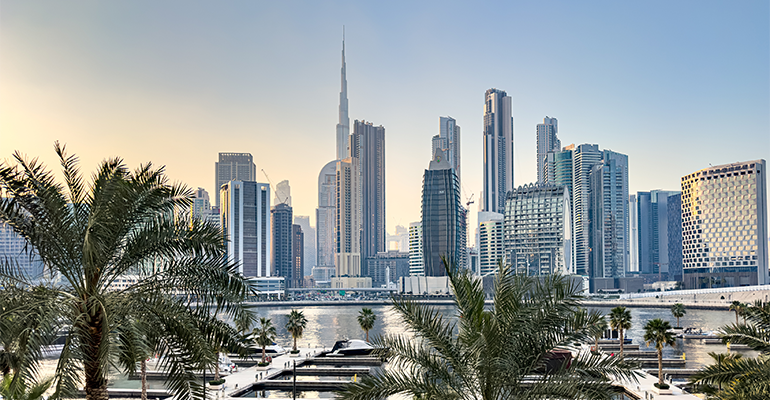
The event will serve the entire geographical region from South Africa – the region’s largest nutraceutical market, with an expanding middle class and advanced retail and online channels – to the UAE, which is tipped to be the fastest-growing market for the period 2025 to 2030, according to Bonafide Research.
Building on the success of the three existing events – Vitafoods Europe in Barcelona, Vitafoods Asia in Bangkok, and Vitafoods India in Mumbai – Vitafoods Middle East and Africa will become a one-stop shopping point for the nutraceutical industry to source ingredients for food supplements and nutraceutical products; finished dietary and nutraceutical products; contract manufacturing services; equipment; and other services such as consulting.
MEA market undergoing ‘rapid and dynamic’ expansion
Informa Markets, the organiser of the Vitafoods events, identified a clear gap in the market where nutraceutical sector stakeholders’ needs were not being met. The Middle East is among the top three regions globally where exhibitors at Vitafoods Europe operate, and one of the top three regions they trade with.
Research conducted by Vitafoods also found that 46% of visitors to its existing events either currently operate in, or are planning to operate in, the Middle East, which ranks among their top export markets.
Such interest in the region is being fuelled by a shift towards healthier living in urban hubs in countries such as the UAE, Saudi Arabia, South Africa, and Egypt, where consumers are becoming more aware of the importance of healthy lifestyles.
Several government initiatives are also actively promoting healthy lifestyles. In 2022, for instance, the UAE Ministry of Health and Prevention (MoHAP) launched the National Wellbeing Strategy 2031 and the National Nutrition Strategy 2030 to establish sustainable nutritional systems and reduce obesity rates.
Meanwhile, robust economic development in the region is contributing to the expanding consumer base.
Julien Bonvallet, group brand director at Vitafoods, said: “The Middle East and Africa nutraceutical market is really undergoing a rapid and dynamic expansion, and that's due to the increasing health consciousness of consumers and a demand for preventive healthcare.
“We see there is a strong interest from our customers in an event that will help them expand further or develop their business in the region. We announced the launch of this event a few weeks ago and we've been overwhelmed with the response so far, with strong interest from many, many of the key players.”
Dubai: A purpose-built city for business
Buoyed by such market dynamics, the team behind Vitafoods Middle East and Africa is confident that the event will grow quickly, while the Dubai World Trade Centre offers the possibility to expand to a large-scale exhibition in the long term.
“Dubai is a purpose-built city for business and an ideal location at the cross-section of Europe, Asia, and Africa, which makes it a natural hub for global trade and business,” Bonvallet said.
“At Informa, we organise quite a large number of events in the UAE, including events with relevant audiences – CPHI MEA and the World Health Expo, for example – so we're very familiar with the infrastructure, the venues, and all the services that we'll need to deliver a great event for our customers.”
He added: “Dubai is a major business hub so, of course, it is convenient to access, and it will help us attract buyers from not just the Middle East, but also farther away – countries like South Africa, India, and the rest of the African continent.”
Thanks to its dedicated networking events, Vitafoods Middle East and Africa will offer attendees the opportunity to foster high-value connections with like-minded industry stakeholders.
A conference theatre featuring expert presentations and panel discussions will also help attendees deepen their understanding of key issues impacting the region’s nutraceutical market, from consumer trends to regulatory developments.
To register your interest as an exhibitor at Vitafoods Middle East and Africa, click here.

Get more of our news on Google
Set Ingredients Network as a 'Preferred Source' to get quicker access to the news you value.
Related news

Do the US dietary guidelines put UPFs under pressure?
10 Sep 2026
Will the US dietary guidelines change the way Americans eat, swapping ultra-processed foods for whole foods? We asked Dr Barry Popkin, renowned nutrition and obesity researcher.
Read more
Health and wellness engagement matures across Middle East and Africa
4 Sep 2026
Many consumers in the Middle East and Africa are now proactively engaged in health and wellness, looking to integrate better habits and products into their daily lives, say experts.
Read more
Skimpflation: An ‘unfair’ and risky approach to keeping prices low
2 Sep 2026
Consumers see skimpflation – reducing the quality of ingredients due to rising costs – as more unfair than shrinkflation, making it a risky strategy according to recent research.
Read more
‘Urgent gaps’ in achieving 2030 food system goals
27 Aug 2026
Global food systems are failing to meet 2030 targets across indicators including health, environment, and resilience, according to a report co-authored by the Food and Agriculture Organisation (FAO).
Read more
Seven-Eleven uses microbial testing tech to extend katsudon shelf life
26 Aug 2026
Japanese retail company Seven-Eleven has improved its factory’s microbial environment to keep comfort-food staple, katsudon, fresher for longer.
Read more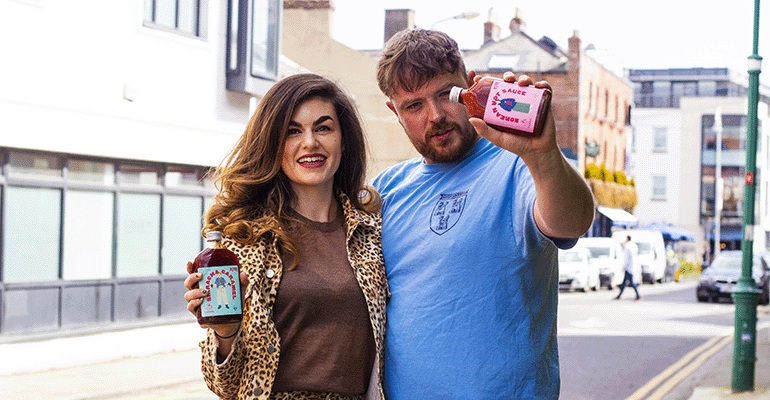
Chimac’s fusion sauces bring Korean flavours to Europe
25 Aug 2026
Irish sauce brand Chimac is tapping into Korea’s culinary traditions, bringing its flavours and products to European consumers who want a taste of K-food.
Read more
Global demand for instant noodles continues to rise
24 Aug 2026
Global demand for instant noodles reached 124.21 billion servings last year, representing a 0.7% year-on-year increase – or 900 million extra servings.
Read more
Popular barbecue staples experience sharp price increases
19 Aug 2026
The typical cost of US shoppers’ barbecue baskets has risen by 12% over the past year – the fastest annual rise in a decade, figures from The Economist show.
Read more
Hot NPD: Nissin launches first cold-water Cup Noodles
18 Aug 2026
Nissin is taking one of Japan’s most iconic instant meals in a completely new direction with the launch of the first cold water-only Cup Noodles in the brand’s 55-year history.
Read more
Manam Chocolate aims to bring premium Indian cacao to 'the world stage'
11 Aug 2026
Craft chocolate brand Manam Chocolate is investing in local expansion and supply chain innovation throughout India as it works to build out the premium reputation of its locally produced cacao products.
Read more