
Ingredients Categories
Finished Products
Finished Food Categories
- Bakery
- Beverages / Juices
- Cereal and grain products
- Confectionery
- Cooking Fats & Oils
- Dairy
- Egg products
- Fruits & Vegetables
- Infant & Baby food
- Meat, Poultry & Fish
- Nuts & Seeds products
- Other Finished Food Categories
- Pet Food
- Plant-based foods
- Prepared foods
- Sauces & Seasonings
- Sweet & Savoury Spreads
Specialised Finished Products
- Bee products
- Biotic products
- Dietary supplements
- Energy drinks
- Functional beverages
- Functional confectionery
- Functional food
- Functional powders
- Meal replacement products
- Nutricosmetics
- Other Specialised Finished Products
- Pet Dietary Supplements
- Pharma and OTC products
- Protein products
- Sugar replacers / Sweeteners
Health & Wellness Areas
Delivery Formats
Operations & Services
- 3D printing
- Analysis/ Testing
- Auditing & certifications
- Blending & mixing
- Bottling
- Certification
- Clinical trials
- Co-packing
- Coating
- Consulting
- Contract manufacturing
- Drying
- Electrospinning
- Encapsulating
- Enzymatic processing
- Extracting
- Extrusion
- Fat structuring
- Fermentation
- Filling
- Flavour development
- Freeze drying
- Granulating/ grinding/ milling / mixing
- High-pressure processing
- Labelling
- Other Operations & Services
- Packaging
- Packet filling
- Pasturising
- Quality assurance
- Saccharification
- Shear cell processing
- Spray drying
- Sterilisation
- Storage & Logistics
- Tabletting
- Toasting / roasting
- Ultra-high temperature processing
Sponsored Content
Food additives used by industry
31 Oct 2024Food additives are substances that are intentionally added to food and beverages in order to modify or stabilise their organoleptic characteristics, to stabilise physical properties, to prolong their shelf life or to correct their components. Although some additives provide nutritional value, they are not used in order to increase the nutritional value of the food to which they are added.
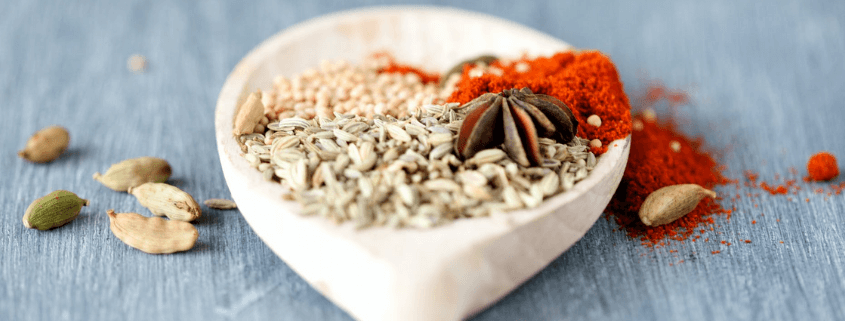
Historically, additives have been included in food, mainly during the 19th and 20th century with the advent of food science, a discipline that combines biology, chemistry, physics and engineering to study the nature of food. Additives are also known by their E numbers, which are codes that have been assigned to them and are usually listed on product labels, mainly in the European Union, but due to their widespread use, they can also be found in other areas.
It was the Codex Alimentarius Commission in 1989 who adopted the International Numbering System for Food Additives (E-Numbers) with the aim of establishing an international numerical identification system on ingredient lists that would function as an alternative to the declaration of the specific name. Often, the names of the additives are too long, different in many languages and of a complex chemical nature, all reasons to establish such a coding system, which can be used independently or alongside the chemical name of the additive. For example, when Tocopherol Blends are used in a product, these may be stated on the label as “E-306”, “Antioxidant E-306” or “Antioxidant: Rich Extract in Tocopherols”.
Types of food additives
The main types of additives used in the food industry are:
- Aromatiers
- Colourants
- Preservatives
- Antioxidants
- Acidulants
- Sweeteners
- Thickeners
- Starch derivatives
- Flavors
- Emulsifiers
Additives are used in industry mainly for food safety reasons, to ensure the safety and edibility of food. In addition, there are other reasons why these types of substances are used, such as maintaining or increasing nutritional value, increasing stability and extending shelf life or facilitating the manufacturing process of products. Besides that, its use is important to provide food to groups of people who have specific needs, as in the case of diabetics, celiacs or people who have certain allergies or food intolerances.
Regulation of food additives
EFSA
To use an additive type it is necessary that it is authorised. In the case of European legislation, authorisation is granted by the European Food Safety Authority (EFSA), an agency of the European Union whose main objective is to assess the risks and problems affecting food safety in the member states Of the EU.
EFSA is also responsible for carrying out relevant safety assessments of new additives, producing safety reports and reviewing scientific information to determine and / or modify conditions of use.
All food additives must comply with the criteria approved in the directives of European legislation. The main regulations that deal with the subject of food additives are the following:
- Framework Directive (89/107 / EEC), general system of authorized food additives.
- Specific Directive (94/36 / EC) on the colours used in foodstuffs.
- Specific Directive (94/35 / EC) on sweeteners.
- Specific Directive (95/2 / EC) on additives other than authorised colourings and sweeteners.
- Positive lists of permitted additives and their conditions of use.
CODEX
The international food regulation that also weighs in on additives is the Codex Alimentarius, which aims to ensure the quality and safety of food in any place and to all people. It belongs to the World Health Organization and to the Food and Agriculture Organization of the United Nations and seeks to contribute through standards, codes and guidelines in international food practices.
Codex standards serve as basic recommendations for national legislation, even if they are merely suggestions where application by members is optional. The information of this institution is public and free of charge and Codex members cover 99% of the world population. Codex is a global reference in the food sector for producers, processors and consumers operating within the international food trade.
In the field of additives, the main standard published by this entity is the general standard STAN 192-1995.
It is also important to track, communicate and publish the World Health Organization (WHO), the Joint FAO / WHO Expert Committee on Food Additives (JECFA) and the Food and Agriculture Organization of the United Nations ( FAO).
FDA and FSIS
In the United States the regulation of additives is at the federal level, so the agencies that have competence in matters of additives is the Food and Drug Administration (FDA) and the Food Safety and Inspection Service (FSIS). There are differences in definition which we will highlight with respect to the European Union.
The first is that additives that are added to food are called direct additives and indirect additives are those present in the packaging that are susceptible to releasing substances into food. In addition, the FDA allows the treatment of foods with irradiation to fight bacteria, which is legally considered as an additive.
Another difference to take into account when working with the US market, is how to name the additives in the labeling of the products, since it is not valid to use the previously mentioned E Numbers. Besides that, in the US there are additives that are allowed which are not authorized in the EU and the other way around, and there are different limits for the use of certain additives.There are countries where certain foods cannot have additives introduced during their manufacturing process. For example, in Spain, milk, pasta, natural yogurt, eggs, nuts, seeds, olive oil or coffee powder, among others, do not have any kind of additive.
There are countries where certain foods cannot have additives introduced during their manufacturing process. For example, in Spain, milk, pasta, natural yogurt, eggs, nuts, seeds, olive oil or coffee powder, among others, do not have any kind of additive.
Food additives also relate to other sectors such as cosmetics, pharmaceuticals or animal nutrition. Some of these substances are being increasingly requested because of the greater knowledge about the effects on people’s health and the new eating habits of consumers.
Download our ebook and discover the keys to choosing the ideal antioxidant for your product!
Companies mentioned


Get more of our news on Google
Set Ingredients Network as a 'Preferred Source' to get quicker access to the news you value.
Related news

A new standard for omega-3 experience
13 Apr 2026
Omega-3 quality is no longer just about purity or concentration. Senses™ by Naturmega delivers ultra-pure, sensory-optimised omega-3 with no taste, no odour, and improved stability.
Read more
PharmaLinea’s iron supplement delivers improvements in hemoglobin comparable to ferrous sulfate with fewer side effects
23 Feb 2026
PharmaLinea, a Slovenian developer and manufacturer of private label food supplements, has announced the completion of a clinical study evaluating its finished formulation for iron deficiency.
Read more
LomaChelateX® – power in magnesium bisglycinate
12 Feb 2026
Gentle and effective: magnesium bisglycinate is setting a new standard. Through its LomaChelateX® brand, Dr. Paul Lohmann® delivers magnesium bisglycinate and a broad range of fully reacted mineral bisglycinates made in Germany.
Read more
Fucoidan leader reports record production
22 Jan 2026
The global leader in fucoidan science, Marinova Pty Ltd, reported record annual fucoidan production for 2025. The company's total production volume has more than doubled over the past three years.
Read more
India Honours Ashwagandha with Commemorative Postal Stamp at WHO Global Summit
6 Jan 2026
HYDERABAD, December 20, 2025 – India’s Prime Minister Mr. Narendra Modi, alongside WHO Director-General Dr. Tedros Adhanom Ghebreyesus, released a commemorative postal stamp honoring ashwagandha at the recently concluded Second WHO Global Traditional...
Read more
PharmaLinea delivers actionable 2026 insights at the first ever NutraLoop™ Summit
22 Dec 2025
PharmaLinea held its first-ever NutraLoop™ Summit this December. The virtual event featured 12 speakers from companies such as IQVIA, NHCO, Radicle Science, and BeyondBrands, who provided comprehensive insights across the scientific and commercia...
Read more
FrieslandCampina strengthens its global protein position with acquisition of Wisconsin Whey Protein
11 Dec 2025
Royal FrieslandCampina N.V. intends to acquire Wisconsin Whey Protein, a respected producer of whey protein isolates in the United States. Wisconsin Whey Protein will become part of FrieslandCampina Ingredients, a global leader in proteins and prebioti...
Read more
dsm-firmenich names ‘Frosted Star Anise’ as Flavor of the Year 2026, capturing a global desire for warmth and freshness
11 Dec 2025
Kaiseraugst (Switzerland), Maastricht (Netherlands), December 5, 2025 dsm-firmenich, innovators in nutrition, health, and beauty, announces ‘Frosted Star Anise’ as its Flavor of the Year for 2026. This...
Read more
Balchem Makes Strategic Investment in U.S. Food Ingredients Market with New Microencapsulation Manufacturing Facility
11 Dec 2025
Montvale, New Jersey, (10 December, 2025) – Balchem, a leading global manufacturer of specialty ingredients for human nutrition and health, is pleased to announce the development of a new, high-capacity man...
Read more
Fucoidan specialist takes out top international health award
4 Dec 2025
Marinova has been named Australia's most outstanding contributor to international health in the nation's prestigious Australian Export Awards.
Read more