
Ingredients Categories
Finished Products
Finished Food Categories
- Bakery
- Beverages / Juices
- Cereal and grain products
- Confectionery
- Cooking Fats & Oils
- Dairy
- Egg products
- Fruits & Vegetables
- Infant & Baby food
- Meat, Poultry & Fish
- Nuts & Seeds products
- Other Finished Food Categories
- Pet Food
- Plant-based foods
- Prepared foods
- Sauces & Seasonings
- Sweet & Savoury Spreads
Specialised Finished Products
- Bee products
- Biotic products
- Dietary supplements
- Energy drinks
- Functional beverages
- Functional confectionery
- Functional food
- Functional powders
- Meal replacement products
- Nutricosmetics
- Other Specialised Finished Products
- Pet Dietary Supplements
- Pharma and OTC products
- Protein products
- Sugar replacers / Sweeteners
Health & Wellness Areas
Delivery Formats
Operations & Services
- 3D printing
- Analysis/ Testing
- Auditing & certifications
- Blending & mixing
- Bottling
- Certification
- Clinical trials
- Co-packing
- Coating
- Consulting
- Contract manufacturing
- Drying
- Electrospinning
- Encapsulating
- Enzymatic processing
- Extracting
- Extrusion
- Fat structuring
- Fermentation
- Filling
- Flavour development
- Freeze drying
- Granulating/ grinding/ milling / mixing
- High-pressure processing
- Labelling
- Other Operations & Services
- Packaging
- Packet filling
- Pasturising
- Quality assurance
- Saccharification
- Shear cell processing
- Spray drying
- Sterilisation
- Storage & Logistics
- Tabletting
- Toasting / roasting
- Ultra-high temperature processing
Sponsored Content
AI: cracking the code of youth
4 Nov 2026
MeNow is using AI to uncover natural ingredients with anti-ageing potential. Its technology predicts biological activity, identifies promising SIRT1 activators in mushrooms and sorghum, and explores combinations with retinol. By turning agricultural byproducts into valuable skincare ingredients, MeNow connects computational discovery with sustainable innovation.
Sirtuins, particularly SIRT1, play a crucial role in cellular health, ageing, and longevity.¹ This protein regulates cellular senescence, a process in which cells lose their ability to divide, contributing to skin ageing. SIRT1 also enhances DNA repair mechanisms and is essential for maintaining the skin barrier by influencing the expression of key proteins like filaggrin.² This makes SIRT1 a highly sought-after target in anti-ageing skin care and dermatological research.
Comparatively, the retinoic acid pathway, activated by retinoids such as retinol and tretinoin, is one of the most well-known strategies for skin renewal and reversing signs of ageing.³ Retinoids work primarily by accelerating cell turnover, regulating pigmentation, and controlling sebum production, making them highly effective for improving skin texture, tone, and acne-prone conditions.⁴
Both SIRT1 activation and the retinoic acid pathway contribute to reducing inflammation, mitigating oxidative stress, and preserving the extracellular matrix (ECM) by supporting collagen production, reinforcing skin structure and elasticity.
However, while retinoids can cause irritation, peeling, and sensitivity, making them unsuitable for some individuals, SIRT1 activation offers a promising alternative—instead of forcing the skin to regenerate rapidly like retinoids, it enhances the skin’s intrinsic ability to repair, maintain barrier function, and combat oxidative stress at a cellular level (Figure 1).
Traditionally, resveratrol has been hailed as the gold standard for SIRT1 activation.⁵ However, groundbreaking AI-driven research from MeNow has revealed that resveratrol might just be a lightweight in comparison to the potent molecules uncovered by their advanced technology. This marks a new era in skin care, where reversing ageing isn’t about simply exfoliating or stimulating collagen but optimizing cellular longevity itself.
The power of AI in natural bioactive discovery
The need for AI in ingredient discovery has never been greater. Despite nature’s vast biochemical complexity, less than 1% of natural compounds have been fully characterized, leaving an immense reservoir of untapped potential. Traditional in vitro methods for ingredient discovery have reached their limits due to the sheer number of molecules that would need to be tested, making comprehensive exploration impractical.
AI is changing the game by offering rapid, data-driven screening of compounds with specific biological targets, such as SIRT1 activation. The pharmaceutical industry has been leveraging AI for decades to accelerate drug discovery, reduce failure rates, and optimize molecular formulations. Now, the same principles are being applied to cosmetics, where AI can predict bioactivity, optimize molecular interactions, and identify safe, effective, and sustainable ingredients faster than ever before.⁶
One of the leaders in the field, MeNow has developed a revolutionary AI-driven approach that accelerates the discovery of bioactives using its patented technology. This system integrates QSAR modeling and Deep Bayesian Networks to scan and predict the activity of molecules from natural sources (Figure 2).
QSAR (Quantitative Structure-Activity Relationship) modeling is a computational technique that predicts molecular activity based on chemical structure. By analyzing molecular fingerprints, MeNow’s proprietary QSAR system can forecast biological effects, assess potential toxicity (such as carcinogenic, mutagenic, ecological and respiratory risks), and optimize molecule selection with an accuracy exceeding 95%.
Additionally, MeNow has built an advanced, virtual model of human skin powered by Deep Bayesian Networks. This model was developed using large language models (LLMs) that scanned vast scientific literature and was further refined by integrating thousands of human skin transcriptomic samples.
As a result, this AI-driven skin model provides an unprecedented ability to simulate molecular interactions in human skin, predict efficacy, and ensure safety in a biologically relevant context.
The science of synergy: How AI is transforming ingredient combinations
Synergy is a phenomenon where the combined effect of two ingredients exceeds the sum of their individual effects, enabling more potent formulations with lower concentrations of active ingredients. This concept is particularly valuable in cosmetics, where synergistic combinations can enhance efficacy, reduce irritation, and improve stability. However, identifying these synergies using traditional methods is time-consuming, expensive, and often left to chance, as the number of possible ingredient interactions is vast.
MeNow is the first company to develop an AI-driven equivalent of the Isobole method, a pharmacological technique traditionally used to quantify the interaction between two active compounds.
The classical Isobole method is used to determine whether two compounds interact synergistically or antagonistically. It involves plotting dose-response curves for each compound individually and then analyzing their combined effect to see if the interaction enhances or reduces efficacy.
Traditionally, this requires extensive laboratory testing, precise concentration gradients, and in-depth statistical modeling, making it impractical for large-scale screening in the cosmetics industry. MeNow’s AI system overcomes these challenges by automatically predicting synergistic interactions at scale, analyzing thousands of molecular structures, biological pathways, and ingredient compatibilities to identify optimal combinations (Figure 3).
This breakthrough allows for the efficient discovery of powerful ingredient pairings, not only between single molecules but also within complex botanical extracts, opening the door to the next generation of optimized, high-performance, and sustainable skin care formulations. This synergistic prediction technology opens new possibilities for developing next-generation skin care formulations that are not only highly effective but also more sustainable and resource-efficient.
Scanning nature
AI is not only revolutionizing synergy detection but also reshaping the way natural bioactives are discovered. By automatically scanning scientific literature, molecular databases, and analytical outputs from techniques such as mass spectrometry (MS) and high-performance liquid chromatography (HPLC), AI can construct a comprehensive library of known natural compounds and their sources.
MeNow has leveraged this approach to develop a proprietary database encompassing over 60,000 organisms and 500,000 bioactive compounds. Among those organisms are 43,000 species of botanicals (including algae), as well as bacteria, fungi, corals, insects and even pandas. Even though no one is suggesting making cosmetics out of pandas, who knows? They might contain rare bioactives that might inspire the next biotech ingredients.
Going beyond simple cataloguing, the AI system has been trained to predict the molecular composition of different plant parts with over 87% accuracy and can even take into account the extraction method, allowing for the targeted identification of promising bioactives without exhaustive lab work.
By combining such an extensive database with the AI-driven bioactive discovery approach detailed earlier, one can systematically uncover new, innovative natural compounds, accelerating research and unlocking powerful new skin care ingredients that might have otherwise remained hidden in nature, such as new SIRT1 activators (Figure 2).
The discovery of penolipids: nature’s hidden SIRT1 powerhousesUsing this advanced AI modeling, MeNow identified a completely new class of molecules with extraordinary SIRT1 activation potential. Those molecules belong to the chemical class of penolipids and contain between 50 to 60 carbon atoms.
These molecules are so novel that no structurally similar compounds have ever been described before. Even more fascinating, they are exclusively found in two rare mushroom species that have never been used in cosmetics: Gymnopilus spectabilis and Phaeolepiota aurea.
Within these mushrooms, MeNow identified 12 molecules belonging to the penolipid family that show SIRT1 activation properties. Among them, three molecules demonstrated an activation effect that is more than twice as strong as resveratrol, and ten times stronger than curcumin (Figure 4). However, there is a slight hiccup: Gymnopilus spectabilis is hallucinogenic. While a psychedelic beauty trend might be fun, tripping while applying skin care might not be the best idea.
On the other hand, Phaeolepiota aurea presents a unique and exciting opportunity for cosmetic innovation. This golden-capped mushroom, though not currently registered in the International Nomenclature of Cosmetic Ingredients (INCI), has been known in some cultures for its culinary and medicinal potential. It is primarily found in temperate regions of Europe, North America, and parts of Asia, growing in nutrient-rich soils, often in open woodlands and forest edges.
Historically, Phaeolepiota aurea has been consumed in certain parts of Europe, particularly in Scandinavia and Eastern Europe, where it has been recognized for its unique flavour and texture. However, due to its high chitin content, it requires proper cooking to prevent gastrointestinal discomfort. Despite this, its bioactive potential remains largely unexplored in the cosmetic industry.
This species is rich in phenolic compounds, flavonoids, and carotenoids, which contribute to its remarkable antioxidant and anti-inflammatory properties. These attributes make it an exciting candidate for future skin care applications, particularly in formulations targeting cellular repair, oxidative stress mitigation, and skin barrier reinforcement. As research progresses, Phaeolepiota aurea could emerge as a novel ingredient in high-performance, nature-derived anti-ageing products, potentially unlocking new applications in the field of sustainable, bioactive-based cosmetics.
The end of retinol? AI says no!
With the emergence of SIRT1 activators, one might wonder whether retinol is becoming obsolete. However, MeNow’s AI-driven research suggests otherwise. Rather than replacing retinol, these newly discovered SIRT1 activators could be the key to enhancing its efficacy and creating even more powerful anti-ageing formulations.
Using AI-powered synergy analysis, MeNow tested the combination of one of the most potent penolipids from Phaeolepiota aurea and retinol, revealing a 24% synergy for extracellular matrix (ECM) preservation. This suggests a cooperative effect between SIRT1 and retinoic pathways, leading to better collagen maintenance and skin structure integrity (Figure 3B).
Even more striking, the AI predicted a 32% synergy for overall anti-ageing effects, showing that when these two powerful molecules are combined, they enhance each other’s benefits rather than compete. The activation of SIRT1 enhances retinol’s effect, leading to longer-lasting and amplified skin rejuvenation with potentially reduced irritation.
Rather than replacing retinol, these new SIRT1 activators could become the perfect partner in advanced skin care formulations, giving retinol the ultimate boost of youth it needs to remain an essential part of modern skin care.
Strigolactones from Sorghum bicolor: SIRT1 activation with a touch of sustainability
MeNow did not stop at mushrooms. It also identified four powerful SIRT1-activating molecules from Sorghum bicolor (also known as great millet), a staple crop widely cultivated in Africa, Asia, and parts of the Americas. Traditionally, it has been used as a dietary grain, an essential source of nutrition, and even for brewing beverages. Beyond food applications, sorghum plays a role in biofuel production, where millions of tons of biomass, including stalks and roots, are generated annually as waste.⁸
The roots of sorghum, in particular, contain high concentrations of bioactive compounds, yet they remain largely unutilized. MeNow AI’s analysis suggests that upcycling these agricultural byproducts could yield potent SIRT1-activating extracts, transforming discarded roots into high-value skin care ingredients. By leveraging AI-driven sustainability strategies, the beauty industry can repurpose tons of sorghum waste, reducing environmental impact while unlocking new frontiers in anti-ageing skin care.
Each year, approximately 3 million metric tons of sorghum roots are discarded as agricultural waste. Instead of decomposing and contributing to environmental degradation, these biomass leftovers can be harnessed for high-value bioactive extraction. Utilizing these roots for skin care formulations not only reduces waste but also contributes to carbon footprint reduction, as it prevents unnecessary decomposition and CO₂ release.
Additionally, repurposing sorghum roots aligns with circular economy principles, offering new economic opportunities for farmers and industries that previously discarded this biomass. If even a fraction of this 3 million tonne waste is used in high-performance skin care applications, it could revolutionize the way the industry approaches sustainability, merging eco-conscious practices with cutting-edge dermatological science.
The molecules identified in the sorghum roots belong to the strigolactone family. Strigolactones are known for their role in plant communication, but they also have remarkable bioactive properties. In addition to their outstanding effect on SIRT1, the molecules identified are also predicted to present anti-inflammatory (via ICAM1 and NF-kappaB inhibition) and antioxidant activities (via NO antagonism) (Figure 4).
Even though those four molecules were never described in relationship to SIRT1, a synthetic strigolactone called GR24 has already been shown to activate SIRT1. However, according to MeNow AI predictions, the natural strigolactones identified in Sorghum bicolor have a much higher affinity for SIRT1 compared to GR24.
AI leading the way to a circular economy
As demonstrated with Sorghum bicolor, AI is a game-changer in upcycling and sustainability. By identifying high-value bioactive compounds in agricultural byproducts, AI helps transform waste into innovative skin care ingredients, reducing environmental impact while driving sustainable advancements in the beauty industry.
MeNow’s proprietary AI technology goes beyond discovery—it also optimizes extraction methods to achieve near zero-waste utilization. By designing intelligent extraction pipelines, AI can recommend a sequence of multiple extraction techniques, ensuring that each bioactive is isolated efficiently and repurposed for different applications.
For example, the first ethanol extraction phase was predicted to yield compounds ideal for anti-ageing, activating SIRT1. Subsequent steps predicted the extraction of pigmentation-reducing agents in glycerine, which may be suitable for other personal care applications (Figure 5).
By leveraging AI-driven sustainability strategies, the beauty industry can significantly reduce resource waste, carbon footprint, and dependency on synthetic alternatives. This holistic approach aligns with circular economy principles, paving the way for an era where cutting-edge science meets environmental responsibility to create next-generation, sustainable skin care solutions.
AI as a catalyst for change in the cosmetics industryAs the demand for more potent and inventive natural ingredients in cosmetics continues to rise, AI provides the answer by accelerating the discovery of highly effective botanical actives. By analyzing vast datasets, predicting synergistic effects, and refining extraction processes, AI uncovers novel bioactive combinations that enhance efficacy and stability. This not only meets consumer expectations for high-performance natural products but also empowers brands to stay ahead in a competitive market where innovation and sustainability are key drivers of success.
AI is not just a tool for efficiency—it is a driver of fundamental change in the cosmetics industry. As demonstrated with Sorghum bicolor, AI is transforming waste into valuable skin care ingredients, redefining how sustainability, science, and innovation intersect. By identifying bioactive molecules in agricultural byproducts, AI is pushing the industry towards circular economy principles, minimizing waste and maximizing resource efficiency.
More than just discovering new compounds, AI is optimizing extraction processes, creating an advanced pipeline that combines multiple extraction techniques.
This ensures that each valuable compound is carefully isolated, classified, and repurposed for the most effective use.
Rather than discarding unused materials, AI can guide formulators in designing targeted skin care products that utilize every molecule efficiently. For example, a single plant extract can be separated into multiple high-value fractions, each with its own specific cosmetic application, from anti-ageing to antioxidant protection and anti-inflammatory benefits.
By integrating AI-driven insights into every stage of formulation, sourcing, and sustainability, the cosmetics industry is poised for a future where technology and nature work hand in hand. The shift from linear to circular production is no longer just an environmental aspiration - it is becoming an industry standard, with AI leading the way toward a smarter, greener, and more innovative beauty landscape.
Companies mentioned


Get more of our news on Google
Set Ingredients Network as a 'Preferred Source' to get quicker access to the news you value.
Related news
FrieslandCampina Ingredients showcases new possibilities for protein
2 Nov 2026
26 October – Amersfoort, the
Netherlands: FrieslandCampina Ingredients, a global leader in protein and prebiotics, will return to
Fi Eu...
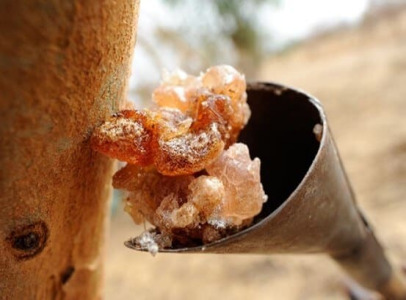
COP17: How Is Nexira Contributing to Land Restoration?
28 Oct 2026
The acacia value chain: a concrete example of land restoration.Today, 40% of the world’s land is degraded1, with consequences that go far beyond environmental concerns: food security, biodiversity, livelihoods and economic stability are all direct...
Read more
Carob expertise: From local sourcing to Locust Bean Gum manufacturing
28 Oct 2026
Great locust bean gum starts long before manufacturing. It begins at origin with the carob tree, local sourcing expertise and a deep understanding of the entire value chain.
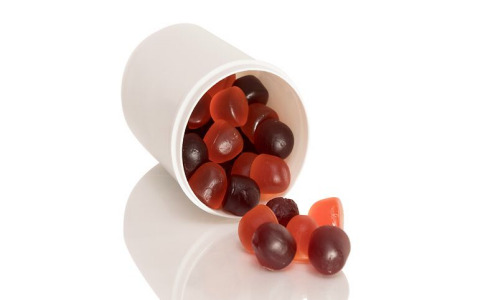
High load protein gummies by using H&F Citrus Pectin
21 Oct 2026
Dietary supplements are a rapidly growing market of which protein products, in particular, arecurrently very popular. Gummies are an attractive format for consuming dietary supplements.Consequently, protein gummies have become a common product developm...
Read more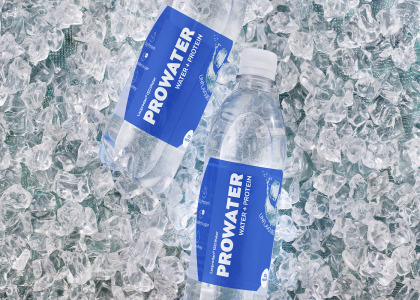
Clear water with a protein secret
19 Oct 2026
Crystal-clear protein water concept with 10g high-quality whey protein isolate in every 500ml serving. Powered by Lacprodan® ISO.Water, it combines the neutral taste of water with lasting clarity. A refreshing way to support hydration and muscle recove...
Read more
Unlock New Formulation Possibilities with One of the Industry's Broadest Lecithin and Protein Portfolios
16 Oct 2026
Food manufacturers today face a difficult balancing act: improving functionality, simplifying formulations, increasing protein content, all while maintaining the taste, texture, and quality consumers expect. At Fi Europe, discover how Bunge can ...
Read more
Fucoidan research surpasses 5000 studies
11 Oct 2026
Global
research interest in the marine extract fucoidan continues to surge, with the
number of published, peer-reviewed papers recently surpassing 5000.

Fi Europe 2026: See you in Frankfurt!
9 Oct 2026
Faravelli continues its centenary celebrations at Fi Europe 2026, looking ahead to what’s next. Meet the team at stand 41K45 and discover the right ingredients to make your products stand out.

HORIZONS, the New Foresight Platform for the Food Industry
6 Oct 2026
Roquette Launches HORIZONS, a new platform created to help food and nutrition businesses anticipate change, explore possible futures, and transform uncertainty into actionable strategies.
Read more
Launch of Breakthrough Clean-Tasting Pea Protein Isolate
6 Oct 2026
NUTRALYS® Pea 850F is Roquette’s latest pea protein isolate, representing a breakthrough in delivering a clean, neutral taste for plant-based product formulations.
Read more