
Ingredients Categories
Finished Products
Finished Food Categories
- Bakery
- Beverages / Juices
- Cereal and grain products
- Confectionery
- Cooking Fats & Oils
- Dairy
- Egg products
- Fruits & Vegetables
- Infant & Baby food
- Meat, Poultry & Fish
- Nuts & Seeds products
- Other Finished Food Categories
- Pet Food
- Plant-based foods
- Prepared foods
- Sauces & Seasonings
- Sweet & Savoury Spreads
Specialised Finished Products
- Bee products
- Biotic products
- Dietary supplements
- Energy drinks
- Functional beverages
- Functional confectionery
- Functional food
- Functional powders
- Meal replacement products
- Nutricosmetics
- Other Specialised Finished Products
- Pet Dietary Supplements
- Pharma and OTC products
- Protein products
- Sugar replacers / Sweeteners
Health & Wellness Areas
Delivery Formats
Operations & Services
- 3D printing
- Analysis/ Testing
- Auditing & certifications
- Blending & mixing
- Bottling
- Certification
- Clinical trials
- Co-packing
- Coating
- Consulting
- Contract manufacturing
- Drying
- Electrospinning
- Encapsulating
- Enzymatic processing
- Extracting
- Extrusion
- Fat structuring
- Fermentation
- Filling
- Flavour development
- Freeze drying
- Granulating/ grinding/ milling / mixing
- High-pressure processing
- Labelling
- Other Operations & Services
- Packaging
- Packet filling
- Pasturising
- Quality assurance
- Saccharification
- Shear cell processing
- Spray drying
- Sterilisation
- Storage & Logistics
- Tabletting
- Toasting / roasting
- Ultra-high temperature processing
News
Animal-free dairy cheese appeals to over half of global consumers
Katja Knox, Editorial Account Manager 20 Jul 2021Globally, 70.5% of consumers said they would be willing to buy cheese made with dairy proteins that don’t come from animals, according to a new survey from the precision fermentation company Formo and the University of Bath published in the journal Frontiers in Sustainable Food Systems. That number climbs even higher to 78.8% for consumers who said they are probably or definitely likely to try such a product.
This survey polled just over 5,000 people from the U.S., U.K., Brazil, Germany and India. Out of the participants polled, the U.S. and the U.K. had the lowest number of consumers who said they would be likely to buy cheese animal-free dairy with a 53.8% and 58.5% positive response rate respectively. The U.S. demonstrated particularly polarized results with a larger proportion of respondents answering that they either “definitely” would or would not purchase an animal-free dairy cheese.

Brazil and India, however, had the highest rates of acceptance for animal-free cheese. In each country, the vast majority of people, 92.0% and 93.4% respectively, said they would probably or definitely try animal-free dairy cheese.
When asked whether they would regularly purchase such a product, positive responses for all those surveyed dropped substantially, and only in Brazil and Germany did the majority of people (68% and 73.9%) respond that they would do so.
While animal-free cheese was perceived as a more ethical and environmentally friendly product across all countries, respondents perceived this product as less tasty than traditional animal dairy equivalents despite their impression that it would have a similar health and safety profile.
Taste remains one of the major hurdles that manufacturers face when making animal-free protein alternatives. A 2019 white paper by Kerry found that good taste, or lack thereof, remains the No. 1 barrier for plant-based substitutes. Even with continuing struggles with flavor, it is a positive sign that nearly three-quarters of consumers are willing to give animal-free cheese a taste.
At this point, animal-free cheese equivalents are not available on the market despite plant-based alternatives proliferating at a rapid pace. As a result, companies that are working with precision fermentation to create a cheese that does not rely on traditional animal husbandry have time to both work on taste and storytelling to persuade consumers to do more than just try these products and instead become regular buyers.
If they can succeed in persuading people to shift to animal-free dairy, there is plenty of room to grow. SPINS data from 2020 showed that the market for plant-based cheese grew twice as fast as dairy cheese, jumping 42%. If startups can figure out how to align their animal-free products with the plant-based movement, there is a good chance that they too will be able to benefit from this continuing surge in animal-free product popularity.

Get more of our news on Google
Set Ingredients Network as a 'Preferred Source' to get quicker access to the news you value.
Related news

Do the US dietary guidelines put UPFs under pressure?
10 Sep 2026
Will the US dietary guidelines change the way Americans eat, swapping ultra-processed foods for whole foods? We asked Dr Barry Popkin, renowned nutrition and obesity researcher.
Read more
Food fraud costs UK economy £2bn each year
9 Sep 2026
Food fraud is costing the UK economy up to £2 billion (€2.3 billion) every year although the food sector is more “resilient” than others, according to a recent study.
Read more
Kellogg accelerates work to remove artificial colours from all US cereals
3 Sep 2026
WK Kellogg has announced an accelerated timeline to eliminate all artificial colours and the chemical preservative, BHT, across its full US portfolio of cereals and cereal packaging.
Read more
Skimpflation: An ‘unfair’ and risky approach to keeping prices low
2 Sep 2026
Consumers see skimpflation – reducing the quality of ingredients due to rising costs – as more unfair than shrinkflation, making it a risky strategy according to recent research.
Read more
‘Urgent gaps’ in achieving 2030 food system goals
27 Aug 2026
Global food systems are failing to meet 2030 targets across indicators including health, environment, and resilience, according to a report co-authored by the Food and Agriculture Organisation (FAO).
Read more
Seven-Eleven uses microbial testing tech to extend katsudon shelf life
26 Aug 2026
Japanese retail company Seven-Eleven has improved its factory’s microbial environment to keep comfort-food staple, katsudon, fresher for longer.
Read more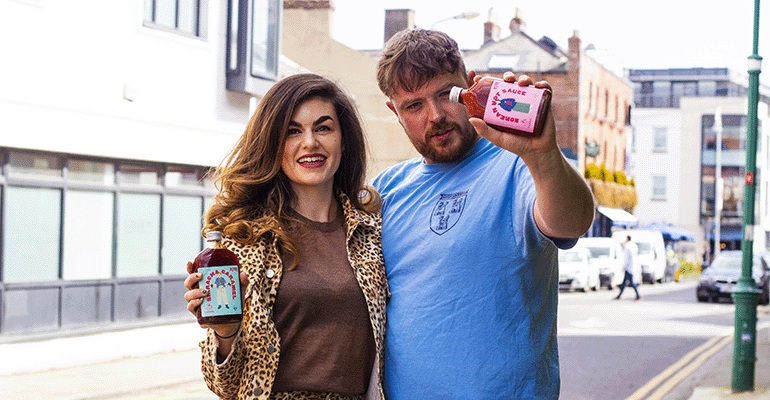
Chimac’s fusion sauces bring Korean flavours to Europe
25 Aug 2026
Irish sauce brand Chimac is tapping into Korea’s culinary traditions, bringing its flavours and products to European consumers who want a taste of K-food.
Read more
Global demand for instant noodles continues to rise
24 Aug 2026
Global demand for instant noodles reached 124.21 billion servings last year, representing a 0.7% year-on-year increase – or 900 million extra servings.
Read more
China beverages: Is herbal innovation the future?
20 Aug 2026
Herbal and botanical innovation in China's drinks market continues to grow, with ingredients like astragalus root, ginger, and ginseng in the spotlight – and focus shifting far beyond refreshment.
Read more
Popular barbecue staples experience sharp price increases
19 Aug 2026
The typical cost of US shoppers’ barbecue baskets has risen by 12% over the past year – the fastest annual rise in a decade, figures from The Economist show.
Read more