
Ingredients Categories
Finished Products
Finished Food Categories
- Bakery
- Beverages / Juices
- Cereal and grain products
- Confectionery
- Cooking Fats & Oils
- Dairy
- Egg products
- Fruits & Vegetables
- Infant & Baby food
- Meat, Poultry & Fish
- Nuts & Seeds products
- Other Finished Food Categories
- Pet Food
- Plant-based foods
- Prepared foods
- Sauces & Seasonings
- Sweet & Savoury Spreads
Specialised Finished Products
- Bee products
- Biotic products
- Dietary supplements
- Energy drinks
- Functional beverages
- Functional confectionery
- Functional food
- Functional powders
- Meal replacement products
- Nutricosmetics
- Other Specialised Finished Products
- Pet Dietary Supplements
- Pharma and OTC products
- Protein products
- Sugar replacers / Sweeteners
Health & Wellness Areas
Delivery Formats
Operations & Services
- 3D printing
- Analysis/ Testing
- Auditing & certifications
- Blending & mixing
- Bottling
- Certification
- Clinical trials
- Co-packing
- Coating
- Consulting
- Contract manufacturing
- Drying
- Electrospinning
- Encapsulating
- Enzymatic processing
- Extracting
- Extrusion
- Fat structuring
- Fermentation
- Filling
- Flavour development
- Freeze drying
- Granulating/ grinding/ milling / mixing
- High-pressure processing
- Labelling
- Other Operations & Services
- Packaging
- Packet filling
- Pasturising
- Quality assurance
- Saccharification
- Shear cell processing
- Spray drying
- Sterilisation
- Storage & Logistics
- Tabletting
- Toasting / roasting
- Ultra-high temperature processing
News
EFSA to put microplastics under the food safety microscope
Natasha Spencer-Jolliffe, Freelance Journalist 6 Mar 2026EFSA scientists will investigate the health risks of microplastics by 2027 – but what should food brands do in the meantime?
The European Food Safety Authority (EFSA) will investigate microplastics’ potential health risks. Microplastics – plastic particles smaller than 5 millimetres – have come under scrutiny in recent years, with public interest honing in on their role in causing adverse health effects. Following a request by the European Parliament, EFSA will provide a scientific opinion on the possible health implications of microplastics in food, water and air.
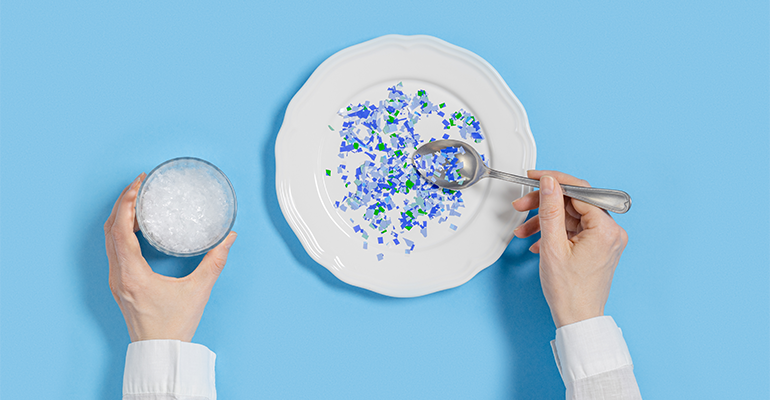
With EFSA stating that “major knowledge gaps remain”, a new scientific opinion is anticipated for the end of 2027. Designed to provide a deeper understanding of microplastics, the latest review will explore how the tiny particles enter and affect the human body, how they are transferred into food, and the methods used to assess their related risks. EFSA will also deliver updated dietary exposure estimates based on new data from the scientific literature.
Industry seeks scientific clarity
The risk of microplastic ingestion through food and beverages have been a research focus for scientists. Findings from 2024 show that consumers’ daily intake of microplastics through food and drink is estimated at anywhere between zero to 1.5 million microplastics.
In 2025, researchers carried out a comparative analysis of food types and quantification techniques to explore the industry’s exposure to microplastics in food. Published in the Journal of Hazardous Materials, the scientists found that while research has recognised seafood as containing significant amounts of microplastics, other food groups are more contaminated. They found that meat, grains, and vegetables are sources of microplastics in our diet.
Salt products are also prevalent in terms of their microplastics content, with 94% of salt products tested by researchers found to contain plastic particles. Scientists also found that a single plastic teabag, brewed at 95°C, can release approximately 11.6 billion microplastics and 3.1 billion nanoplastics into a single cup.
Chewing gum is another significant source of microplastic contamination, with one 2025 study reporting that a single gram of gum can contain up to 637 microplastics, and 94% were released within the first eight minutes of chewing.
However, as reported in a recent Guardian investigation, scientists have cast doubt over the discovery of microplastics in the human body. With contamination and false positives both possible reasons for the growing concerns over microplastic detection, the potential health damage associated with microplastics and their chemicals has been brought into question.
Mitigating microplastics in manufacturing value chains
Efforts to eradicate microplastics have emerged and continue to govern manufacturing goals within the food and beverage industry.
“Microplastic contamination of food products can have multiple origins, which are not yet structurally assessed – especially in a complex food-chain, this is not easy to do,” a spokesperson for TNO, an applied sciences and technology company, told Ingredients Network, exploring how companies could begin to reduce microplastic migration in their products.
Examining businesses’ internal processes and those across the value chain is one approach companies could adopt.
“This would mean that every company has to look at their operations and assess the possibilities for microplastics contamination,” said TNO’s spokesperson.
Understanding the value chain to this extent would require manufacturers to explore how microplastics play a part in their external environment, such as water or other ingredients and their processes, including wear of plastic in machinery, equipment, plastic particles from cutting open bags, regardless of the packaging material or method.
Plastic-free packaging not the sole solution?
Rather than exploring plastic-free packaging options available to manufacturers, TNO suggested an alternative approach may be more effective. Instead, first apply the high-R strategies: refuse, rethink, and reduce. Next, build on the science and work to remove confusion and uncertainties.
“The difficulty is that not much is known about whether or how much packaging contributes to the microplastic contamination, and we don't know well enough how both the material and the process of packaging contribute to the possible microplastic contamination,” said TNO’s spokesperson.
Finally, it is important to understand how a plastic-free industry could impact the environment. “Moving away from plastic packaging could have huge negative implications for sustainability,” said TNO’s spokesperson.
Alternative sourcing options are not currently available to manufacturers if plastic contamination occurs before the packaging stage. “There is no structural microplastics monitoring, so it is hard to say if an alternative sourcing option of ingredients will help to reduce microplastics in products,” said the spokesperson.
The upcoming EFSA review, scheduled for release in 2027, will seek to bring clarity to microplastic understanding, including its presence in food and drinks, and its health impacts.

Get more of our news on Google
Set Ingredients Network as a 'Preferred Source' to get quicker access to the news you value.
Related news

Do the US dietary guidelines put UPFs under pressure?
10 Sep 2026
Will the US dietary guidelines change the way Americans eat, swapping ultra-processed foods for whole foods? We asked Dr Barry Popkin, renowned nutrition and obesity researcher.
Read more
Health and wellness engagement matures across Middle East and Africa
4 Sep 2026
Many consumers in the Middle East and Africa are now proactively engaged in health and wellness, looking to integrate better habits and products into their daily lives, say experts.
Read more
Skimpflation: An ‘unfair’ and risky approach to keeping prices low
2 Sep 2026
Consumers see skimpflation – reducing the quality of ingredients due to rising costs – as more unfair than shrinkflation, making it a risky strategy according to recent research.
Read more
‘Urgent gaps’ in achieving 2030 food system goals
27 Aug 2026
Global food systems are failing to meet 2030 targets across indicators including health, environment, and resilience, according to a report co-authored by the Food and Agriculture Organisation (FAO).
Read more
Seven-Eleven uses microbial testing tech to extend katsudon shelf life
26 Aug 2026
Japanese retail company Seven-Eleven has improved its factory’s microbial environment to keep comfort-food staple, katsudon, fresher for longer.
Read more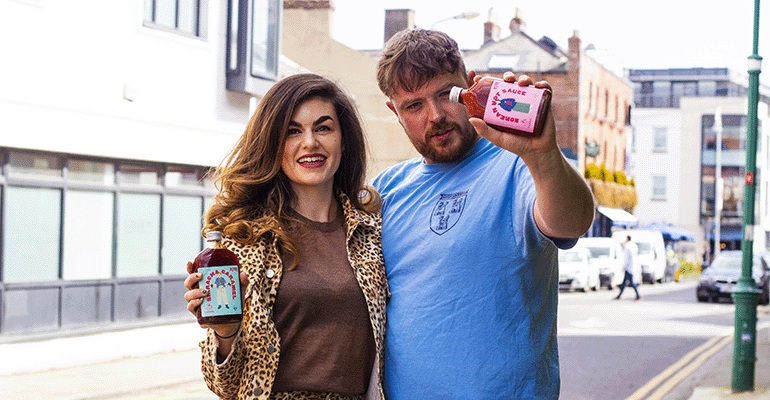
Chimac’s fusion sauces bring Korean flavours to Europe
25 Aug 2026
Irish sauce brand Chimac is tapping into Korea’s culinary traditions, bringing its flavours and products to European consumers who want a taste of K-food.
Read more
Global demand for instant noodles continues to rise
24 Aug 2026
Global demand for instant noodles reached 124.21 billion servings last year, representing a 0.7% year-on-year increase – or 900 million extra servings.
Read more
Popular barbecue staples experience sharp price increases
19 Aug 2026
The typical cost of US shoppers’ barbecue baskets has risen by 12% over the past year – the fastest annual rise in a decade, figures from The Economist show.
Read more
Hot NPD: Nissin launches first cold-water Cup Noodles
18 Aug 2026
Nissin is taking one of Japan’s most iconic instant meals in a completely new direction with the launch of the first cold water-only Cup Noodles in the brand’s 55-year history.
Read more
Manam Chocolate aims to bring premium Indian cacao to 'the world stage'
11 Aug 2026
Craft chocolate brand Manam Chocolate is investing in local expansion and supply chain innovation throughout India as it works to build out the premium reputation of its locally produced cacao products.
Read more