
Ingredients Categories
Finished Products
Finished Food Categories
- Bakery
- Beverages / Juices
- Cereal and grain products
- Confectionery
- Cooking Fats & Oils
- Dairy
- Egg products
- Fruits & Vegetables
- Infant & Baby food
- Meat, Poultry & Fish
- Nuts & Seeds products
- Other Finished Food Categories
- Pet Food
- Plant-based foods
- Prepared foods
- Sauces & Seasonings
- Sweet & Savoury Spreads
Specialised Finished Products
- Bee products
- Biotic products
- Dietary supplements
- Energy drinks
- Functional beverages
- Functional confectionery
- Functional food
- Functional powders
- Meal replacement products
- Nutricosmetics
- Other Specialised Finished Products
- Pet Dietary Supplements
- Pharma and OTC products
- Protein products
- Sugar replacers / Sweeteners
Health & Wellness Areas
Delivery Formats
Operations & Services
- 3D printing
- Analysis/ Testing
- Auditing & certifications
- Blending & mixing
- Bottling
- Certification
- Clinical trials
- Co-packing
- Coating
- Consulting
- Contract manufacturing
- Drying
- Electrospinning
- Encapsulating
- Enzymatic processing
- Extracting
- Extrusion
- Fat structuring
- Fermentation
- Filling
- Flavour development
- Freeze drying
- Granulating/ grinding/ milling / mixing
- High-pressure processing
- Labelling
- Other Operations & Services
- Packaging
- Packet filling
- Pasturising
- Quality assurance
- Saccharification
- Shear cell processing
- Spray drying
- Sterilisation
- Storage & Logistics
- Tabletting
- Toasting / roasting
- Ultra-high temperature processing
News
Tesco hits healthy food sales target
David Burrows, Freelance Journalist 18 Feb 2026The UK’s largest supermarket chain has achieved its target to increase the proportion of sales from healthier products to 65% by 2025.
Tesco hit the target at the end of last year, according to CEO Ken Murphy. “It has been a massive collective effort,” he told those gathered in London, UK, for the Sustainable Foods conference 2026.
Murphy now wants the company to “go beyond this” but acknowledged that each marginal improvement now becomes “progressively more difficult”.
He used his speech to press the UK government further on mandatory health reporting, and for this to be applied “across the whole food industry, including out of home”.
Reporting is due to be mandatory by the end of this Parliament in 2029. Whether this will extend to large fast food chains and catering companies supplying schools and hospitals is unclear.
In August, investors with holdings in major food companies threw their weight behind the government’s plan to mandate transparency on sales of unhealthy food by requiring food businesses to report and set targets on the healthiness of their sales.
Some companies are already disclosing their sales of food high in fat, salt, and sugar (HFSS), and have a sales-based target in place for healthy food, according to a report by The Food Foundation charity.
These include Aldi, Lidl, M&S, Ocado, Sainsbury’s, Tesco, and Waitrose, as well as the food manufacturers Nestlé, Nomad Foods (the owner of Birds Eye), and Premier Foods (owner of Mr Kipling, Ambrosia, and other well-known brands).
Caterers supplying schools and hospitals, like Compass, Aramark, and Sodexo, are not yet doing this, according to the report. Neither are fast food chains like Domino’s, Burger King, McDonald’s, or KFC.
Tesco’s targets: Healthier baskets and supply chain reliance
Tesco’s target was set in 2021 in response to a shareholder resolution co-ordinated by ShareAction.
With 27% of the British grocery market, Tesco has an outsized influence on the nation’s health and its announcement was seen as a significant achievement for shareholder engagement on health issues, according to ShareAction.
Those observing Murphy’s speech suggested he had spoken out at a time when others are staying silent on sustainability issues.
For example, he put healthier baskets and supply chain reliance at the heart of Tesco now and into the future as his company, like every other, faced “a crossroads”.
The path for those following Tesco would head towards “sustainable, resilient food systems”, Murphy said. “Come with us on this journey.”
Other industry leaders also spoke of the need to change, with nutrition and health at the heart of the food businesses of the future.
Bel UK & Ireland managing director David Brandman called for a “reframing” or the narrative around snacking “from enemy to ally. Snacking is an opportunity to ‘top up’ on nutrition”, he explained during a panel to discuss how to encourage better eating habits.
Brandman admitted that he “had not had nutrition training in years”. Now, he and his team have all completed courses.
“It’s thanks to this that we are empowered to develop the right innovations and activations to come,” he told Ingredients Network. “[it’s] important for everyone in industry to hold up their hands and ensure they and their teams are trained on nutrition. The nation’s nutrition is [...] our responsibility,” he added.

Get more of our news on Google
Set Ingredients Network as a 'Preferred Source' to get quicker access to the news you value.
Related news

Do the US dietary guidelines put UPFs under pressure?
10 Sep 2026
Will the US dietary guidelines change the way Americans eat, swapping ultra-processed foods for whole foods? We asked Dr Barry Popkin, renowned nutrition and obesity researcher.
Read more
Food fraud costs UK economy £2bn each year
9 Sep 2026
Food fraud is costing the UK economy up to £2 billion (€2.3 billion) every year although the food sector is more “resilient” than others, according to a recent study.
Read more
Kellogg accelerates work to remove artificial colours from all US cereals
3 Sep 2026
WK Kellogg has announced an accelerated timeline to eliminate all artificial colours and the chemical preservative, BHT, across its full US portfolio of cereals and cereal packaging.
Read more
Skimpflation: An ‘unfair’ and risky approach to keeping prices low
2 Sep 2026
Consumers see skimpflation – reducing the quality of ingredients due to rising costs – as more unfair than shrinkflation, making it a risky strategy according to recent research.
Read more
NielsenIQ’s EU barometer shows Britain leading in grocery inflation
31 Aug 2026
Britain was the only country to record grocery inflation above 2%, according to NielsenIQ data that compared Europe’s five biggest grocery markets from February to May 2026.
Read more
‘Urgent gaps’ in achieving 2030 food system goals
27 Aug 2026
Global food systems are failing to meet 2030 targets across indicators including health, environment, and resilience, according to a report co-authored by the Food and Agriculture Organisation (FAO).
Read more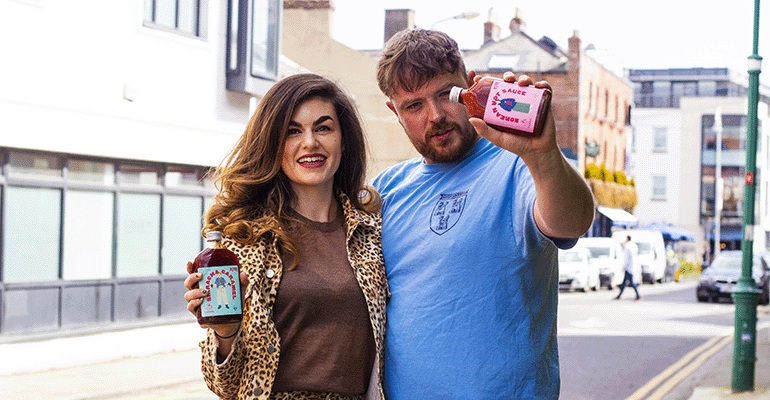
Chimac’s fusion sauces bring Korean flavours to Europe
25 Aug 2026
Irish sauce brand Chimac is tapping into Korea’s culinary traditions, bringing its flavours and products to European consumers who want a taste of K-food.
Read more
Global demand for instant noodles continues to rise
24 Aug 2026
Global demand for instant noodles reached 124.21 billion servings last year, representing a 0.7% year-on-year increase – or 900 million extra servings.
Read more
Popular barbecue staples experience sharp price increases
19 Aug 2026
The typical cost of US shoppers’ barbecue baskets has risen by 12% over the past year – the fastest annual rise in a decade, figures from The Economist show.
Read more
Hot NPD: Nissin launches first cold-water Cup Noodles
18 Aug 2026
Nissin is taking one of Japan’s most iconic instant meals in a completely new direction with the launch of the first cold water-only Cup Noodles in the brand’s 55-year history.
Read more