
Ingredients Categories
Finished Products
Finished Food Categories
- Bakery
- Beverages / Juices
- Cereal and grain products
- Confectionery
- Cooking Fats & Oils
- Dairy
- Egg products
- Fruits & Vegetables
- Infant & Baby food
- Meat, Poultry & Fish
- Nuts & Seeds products
- Other Finished Food Categories
- Pet Food
- Plant-based foods
- Prepared foods
- Sauces & Seasonings
- Sweet & Savoury Spreads
Specialised Finished Products
- Bee products
- Biotic products
- Dietary supplements
- Energy drinks
- Functional beverages
- Functional confectionery
- Functional food
- Functional powders
- Meal replacement products
- Nutricosmetics
- Other Specialised Finished Products
- Pet Dietary Supplements
- Pharma and OTC products
- Protein products
- Sugar replacers / Sweeteners
Health & Wellness Areas
Delivery Formats
Operations & Services
- 3D printing
- Analysis/ Testing
- Auditing & certifications
- Blending & mixing
- Bottling
- Certification
- Clinical trials
- Co-packing
- Coating
- Consulting
- Contract manufacturing
- Drying
- Electrospinning
- Encapsulating
- Enzymatic processing
- Extracting
- Extrusion
- Fat structuring
- Fermentation
- Filling
- Flavour development
- Freeze drying
- Granulating/ grinding/ milling / mixing
- High-pressure processing
- Labelling
- Other Operations & Services
- Packaging
- Packet filling
- Pasturising
- Quality assurance
- Saccharification
- Shear cell processing
- Spray drying
- Sterilisation
- Storage & Logistics
- Tabletting
- Toasting / roasting
- Ultra-high temperature processing
News
ASA bans UK supplement ads over GLP-1 weight loss claims
Rik Moors 17 Sep 2025The UK’s Advertising Standards Authority (ASA) has banned several food supplement ads that referenced prescription GLP-1 weight loss drugs or made unapproved health claims.
The rulings, published in August, upheld complaints against five brands: Arrae Inc, Evolution Slimming, Myota GmbH, Ovira, and Inno Supps.
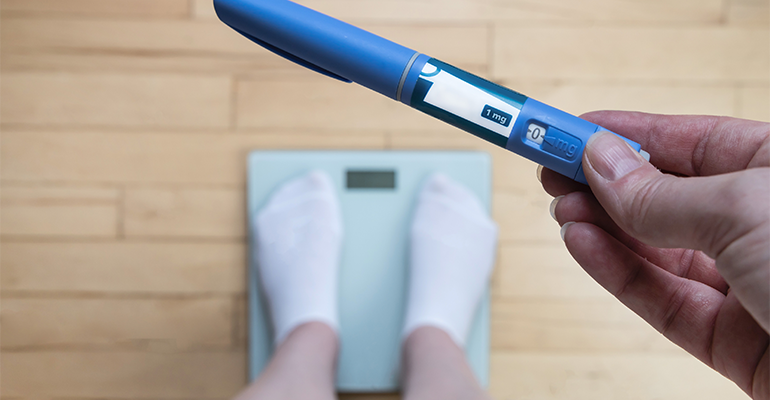
Each case involved Meta ads promoting supplements with claims about appetite suppression, metabolic enhancement, or weight loss, often using phrases such as “natural GLP-1” or “Faux-Zempic”.
The ASA said these ads breached UK advertising rules, which prohibit unauthorised health or medicinal claims for food supplements.
The rulings followed investigations prompted by the ASA’s Active Ad Monitoring system, an artificial intelligence (AI) tool used to identify potentially non-compliant digital advertising.
Claims linked to GLP-1 drugs ruled medicinal
Several ads used terms that implied the products had effects comparable to GLP-1 receptor agonists, a class of prescription-only medicines (POMs) used to treat obesity and type 2 diabetes, including Ozempic and Wegovy.
In one example, Arrae described its supplement “MB-1” as “your all-natural Faux-Zempic”, claiming it could “support weight management”, “curb cravings”, and “quiet food noise”. Another ad featured a testimonial claiming the product helped someone “achieve my goal weight in three months”.
The ASA ruled that these statements were unauthorised medicinal claims, stating that in the context of the “Faux-Zempic” reference, consumers were likely to understand the product as offering similar effects to licensed drugs.
The ruling stated: “Because the ads implied that a food supplement could prevent, treat or cure human disease, and featured claims that a product had medicinal properties without the necessary authorisation, we concluded that they breached the code.”
The ASA also identified the term “food noise” as contributing to the impression that the supplement worked like a GLP-1 drug.
A spokesperson for the ASA told Ingredients Network: “In this group of rulings, two of the cases involved ads which referenced ‘food noise’. In these rulings, we listed ‘food noise’ as one of the claims that implied the supplement would have the same effect as GLP-1 POMs so was a medicinal claim.”
They added: “We haven’t previously investigated an ad where ‘food noise’ claims were presented outside the context of ads which are clearly linking the effects of the supplement to GLP-1, so we’re not able to say whether we consider it to be a health claim. It would really depend on the context of the ad we saw the claim in.”
Unauthorised health and weight loss claims
Several other brands made similar claims to that made by Arrae.
Myota described its product as “nature’s GLP-1” and “clinically proven to reduce blood sugar spikes, curb cravings, and support metabolism”.
Evolution Slimming claimed berberine could “enhance GLP-1 secretion” to improve appetite control, blood sugar balance, and fat metabolism.
The ASA said claims like “supercharge your metabolism” and “reduce stubborn body fat” were specific health claims that must be authorised on the Great Britain nutrition and health claims register. No such authorisation was provided.
Some ads also included banned claims about weight loss speed or amount, such as achieving a goal weight in a specific timeframe. Under the UK Code of Non-broadcast Advertising (CAP Code) rule 15.6.6, such statements are not permitted for food supplements.
In total, the ads were found to have breached rules 12.1, 12.11, 15.1, 15.1.1, 15.6, 15.6.2, 15.6.6, and 15.7 of the CAP Code.
How the ASA and CAP regulate ads
The ASA is the UK’s independent advertising regulator. It enforces the CAP Code, which is written by the Committee of Advertising Practice (CAP).
CAP is made up of industry bodies representing advertisers, media owners, and agencies, and provides guidance and training to help companies comply with the rules.
The ASA told Ingredients Network that its AI-based Active Ad Monitoring system has helped the organisation greatly in identifying problematic weight loss supplement claims.
“By monitoring online ads at both space and scale, this system enables us to detect potential issues quickly and step in where needed,” said the ASA.
“Last year, our Active Ad Monitoring System captured and analysed over 28 million ads (not just for weight-loss supplements), giving us much greater visibility of ads appearing online.”
While the ASA is not specifically monitoring ads aimed at people taking GLP-1 medications, the spokesperson added: “Any such ads must still comply fully with the relevant advertising rules. This means that advertisers should ensure their claims are accurate, not misleading, and supported by robust evidence. If we come across, or are made aware of, ads that breach these rules, we won’t hesitate to take action.”

Get more of our news on Google
Set Ingredients Network as a 'Preferred Source' to get quicker access to the news you value.
Related news

M&S launches own-brand pet food range
11 Sep 2026
UK retailer Marks & Spencer has launched its own-brand pet food line Paws & Pals – a well-timed and strategic move that will appeal to loyal shoppers, says a marketing expert.
Read more
Do the US dietary guidelines put UPFs under pressure?
10 Sep 2026
Will the US dietary guidelines change the way Americans eat, swapping ultra-processed foods for whole foods? We asked Dr Barry Popkin, renowned nutrition and obesity researcher.
Read more
Food fraud costs UK economy £2bn each year
9 Sep 2026
Food fraud is costing the UK economy up to £2 billion (€2.3 billion) every year although the food sector is more “resilient” than others, according to a recent study.
Read more
Health and wellness engagement matures across Middle East and Africa
4 Sep 2026
Many consumers in the Middle East and Africa are now proactively engaged in health and wellness, looking to integrate better habits and products into their daily lives, say experts.
Read more
Kellogg accelerates work to remove artificial colours from all US cereals
3 Sep 2026
WK Kellogg has announced an accelerated timeline to eliminate all artificial colours and the chemical preservative, BHT, across its full US portfolio of cereals and cereal packaging.
Read more
Skimpflation: An ‘unfair’ and risky approach to keeping prices low
2 Sep 2026
Consumers see skimpflation – reducing the quality of ingredients due to rising costs – as more unfair than shrinkflation, making it a risky strategy according to recent research.
Read more
Royal Canin launches ‘freshly-cooked’ therapeutic dog food
1 Sep 2026
Mars-owned Royal Canin has moved into the therapeutic diet sector with the launch of its Fresh Veterinary Diets range for dogs with health conditions. We asked a veterinary nutritionist for her opinion.
Read more
NielsenIQ’s EU barometer shows Britain leading in grocery inflation
31 Aug 2026
Britain was the only country to record grocery inflation above 2%, according to NielsenIQ data that compared Europe’s five biggest grocery markets from February to May 2026.
Read more
‘Urgent gaps’ in achieving 2030 food system goals
27 Aug 2026
Global food systems are failing to meet 2030 targets across indicators including health, environment, and resilience, according to a report co-authored by the Food and Agriculture Organisation (FAO).
Read more
Seven-Eleven uses microbial testing tech to extend katsudon shelf life
26 Aug 2026
Japanese retail company Seven-Eleven has improved its factory’s microbial environment to keep comfort-food staple, katsudon, fresher for longer.
Read more