
Ingredients Categories
Finished Products
Finished Food Categories
- Bakery
- Beverages / Juices
- Cereal and grain products
- Confectionery
- Cooking Fats & Oils
- Dairy
- Egg products
- Fruits & Vegetables
- Infant & Baby food
- Meat, Poultry & Fish
- Nuts & Seeds products
- Other Finished Food Categories
- Pet Food
- Plant-based foods
- Prepared foods
- Sauces & Seasonings
- Sweet & Savoury Spreads
Specialised Finished Products
- Bee products
- Biotic products
- Dietary supplements
- Energy drinks
- Functional beverages
- Functional confectionery
- Functional food
- Functional powders
- Meal replacement products
- Nutricosmetics
- Other Specialised Finished Products
- Pet Dietary Supplements
- Pharma and OTC products
- Protein products
- Sugar replacers / Sweeteners
Health & Wellness Areas
Delivery Formats
Operations & Services
- 3D printing
- Analysis/ Testing
- Auditing & certifications
- Blending & mixing
- Bottling
- Certification
- Clinical trials
- Co-packing
- Coating
- Consulting
- Contract manufacturing
- Drying
- Electrospinning
- Encapsulating
- Enzymatic processing
- Extracting
- Extrusion
- Fat structuring
- Fermentation
- Filling
- Flavour development
- Freeze drying
- Granulating/ grinding/ milling / mixing
- High-pressure processing
- Labelling
- Other Operations & Services
- Packaging
- Packet filling
- Pasturising
- Quality assurance
- Saccharification
- Shear cell processing
- Spray drying
- Sterilisation
- Storage & Logistics
- Tabletting
- Toasting / roasting
- Ultra-high temperature processing
News
Gen Z prefer natural, practical
29 Apr 2016Taught to make healthy choices from a young age, Gen Z college students take that lesson seriously when reaching for beverages according to a new survey from industry consultants Beverage Marketing Corporation (BMC) and Fluent

Taught to make healthy choices from a young age, Gen Z college students take that lesson seriously when reaching for beverages according to a new survey from industry consultants Beverage Marketing Corporation (BMC) and Fluent, a college marketing and insights agency. Practicality and natural products are preferred - while artificial ingredients and crazy fads are likely to cue a collective eye–roll, the researchers say. The survey of undergraduates is claimed to offer clear direction to those who make, distribute and sell beverages to Gen Z: keep it simple and know your niche.
"From early–kindergarten lectures to constant health–related headlines on their phones, this generation knows about having to proactively make their own choices and not just take things at face value," said Fluent EVP Michael Carey. "And while they reach for water first, there are opportunities for other beverages to fill niche roles, if they know where to look.""As Gen Z matures, there are exciting opportunities for our industry to engage with these consumers in a positive way," said Beverage Marketing Corporation Chairman and CEO Michael Bellas. "We look forward to sharing how companies can reinforce strengths and create new experiences by listening to what this newest and typically hard–to–access audience has to say."According to the survey the key takeaways are:+ Bottled water is THE top beverage purchase – 43% consume it 7+ times per week, with coffee (hot or iced, not specialty) next at 22%.Brewed tea was third at 12% in that category, and then beer at 9%. Hydration/thirst was the number one reason students pick up something to drink.+ Asked about future consumption, 42% plan to drink more bottled water and only 8% less of it, and 22% of students expect to drink more brewed tea, against 7% saying less. Barring significant innovation, soda is likely to continue its decline, with 33% planning to drink less against 3% to drink more. This correlates with recent data from BMC that finds bottled water is the second most popular beverage in the U.S., likely to overtake carbonated soft drinks' supremacy late 2016 or in 2017.+ While they find bottled water tastes better than tap water, 59% try to fill up water bottles and/or use a filtered water system on a regular basis. Still, nearly 20% of students rely solely on bottled water over tap or filtered, for many of the same reasons bottled water scores over other non–alcoholic beverages: It's healthier, more convenient and easier to find.+ Students read labels, 43% regularly and 38% at least sometimes. The top three descriptors influencing purchase are "all–natural" (52%), "low–calorie" (37%), and to a lesser extent, "organic" (36%), with "vitamin–enhanced" at 31% and "zero–calorie" at 27%.+ Around half of all students say they try to avoid artificial sweeteners, flavouring, preservatives, and high–fructose corn syrup. The sweetener they are most okay with is cane sugar (55%).+ The top reasons they try beverages? Students cite friends' picks (52%), "healthy/good for you" (49%), free samples (37%), interesting flavours (36%) and sale/ promotions (25%).+ Sports drinks have clear roles. 37% of respondents drink them for hydration and recovery, 14% drink them for taste, and 13% to quench their thirst. They drink them most often while working out (54%) vs. before or after, to combat hangovers (46%), then because they are thirsty (45%).+ Pick–me–up choices were campus classics. The top go–to beverage was coffee at 49%, and then brewed tea at 15%. Water tied for third at 13% with soda, which seems to be a key messaging opportunity for carbonated soft drinks – ahead of energy drinks (8%).+ 74% of respondents say they do consume alcohol and 81% of those do drink beer on occasion. Asked what they prefer most, beer had a slight edge, with it, wine and spirits somewhat equal.+ When it comes to mixers, students reach first for soda (37%), and then juice (35%), followed by seltzers (10%).The survey was conducted March 15 – 21, 2016 and polled 1,010 undergraduate respondents across the USA. A third were under 21 years of age, with data on use of alcohol reflecting demographics. Survey results will be published and put in context in a BMC market report entitled U.S. Student Beverage Consumption and Attitudes.

Get more of our news on Google
Set Ingredients Network as a 'Preferred Source' to get quicker access to the news you value.
Related news
Reinventing soda: Zero sugar, functional benefits, and new indulgence
30 Sep 2026
Zero-sugar, functional, and indulgent sodas are redefining what a carbonated soft drink can offer in today’s evolving market.
Read more
Is creatine going mainstream in food and drink formulation?
24 Sep 2026
The functional ingredient creatine is gaining traction in the food and drink industry, as brands ramp up production investment and explore new applications.
Read more
New GRAS rules offer consumers confidence but companies are concerned
22 Sep 2026
Public health campaigners are celebrating the US government’s move to close the Generally Recognised as Safe (GRAS) loophole, but companies worry it will stifle innovation.
Read more
Kremlin takes control of Nestlé Russia’s assets
18 Sep 2026
Nestlé says it is committed to “taking all necessary steps to protect its rights” after Russian authorities take temporary control of its operations in the country.
Read more
Immunity, wellness, and nutrition: Nutraceutical promise in the Middle East and Africa
17 Sep 2026
Nutraceuticals continue to gain ground across the Middle East and Africa with vitamins, probiotics, and functional drinks doing particularly well, says Euromonitor.
Read more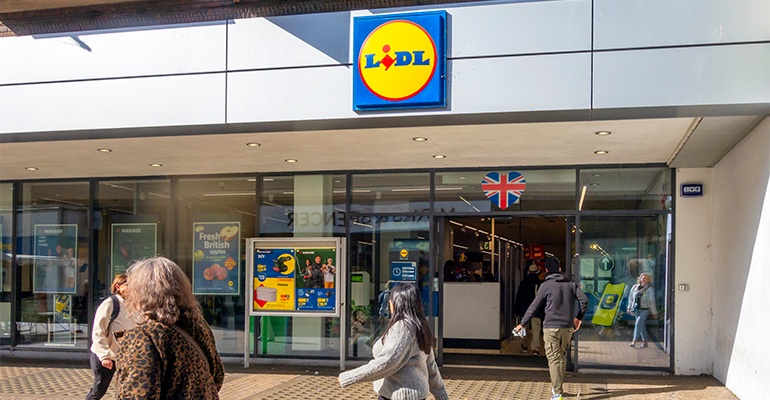
Lidl says Britain 'significantly off track' with healthy and sustainable eating
15 Sep 2026
Discounter retailer Lidl has raised concerns about healthy and sustainable eating habits across Britain, spotlighting how affordability remains a barrier for consumers.
Read more
Do the US dietary guidelines put UPFs under pressure?
10 Sep 2026
Will the US dietary guidelines change the way Americans eat, swapping ultra-processed foods for whole foods? We asked Dr Barry Popkin, renowned nutrition and obesity researcher.
Read more
Food fraud costs UK economy £2bn each year
9 Sep 2026
Food fraud is costing the UK economy up to £2 billion (€2.3 billion) every year although the food sector is more “resilient” than others, according to a recent study.
Read more
Skimpflation: An ‘unfair’ and risky approach to keeping prices low
2 Sep 2026
Consumers see skimpflation – reducing the quality of ingredients due to rising costs – as more unfair than shrinkflation, making it a risky strategy according to recent research.
Read more
NielsenIQ’s EU barometer shows Britain leading in grocery inflation
31 Aug 2026
Britain was the only country to record grocery inflation above 2%, according to NielsenIQ data that compared Europe’s five biggest grocery markets from February to May 2026.
Read more