
Ingredients Categories
Finished Products
Finished Food Categories
- Bakery
- Beverages / Juices
- Cereal and grain products
- Confectionery
- Cooking Fats & Oils
- Dairy
- Egg products
- Fruits & Vegetables
- Infant & Baby food
- Meat, Poultry & Fish
- Nuts & Seeds products
- Other Finished Food Categories
- Pet Food
- Plant-based foods
- Prepared foods
- Sauces & Seasonings
- Sweet & Savoury Spreads
Specialised Finished Products
- Bee products
- Biotic products
- Dietary supplements
- Energy drinks
- Functional beverages
- Functional confectionery
- Functional food
- Functional powders
- Meal replacement products
- Nutricosmetics
- Other Specialised Finished Products
- Pet Dietary Supplements
- Pharma and OTC products
- Protein products
- Sugar replacers / Sweeteners
Health & Wellness Areas
Delivery Formats
Operations & Services
- 3D printing
- Analysis/ Testing
- Auditing & certifications
- Blending & mixing
- Bottling
- Certification
- Clinical trials
- Co-packing
- Coating
- Consulting
- Contract manufacturing
- Drying
- Electrospinning
- Encapsulating
- Enzymatic processing
- Extracting
- Extrusion
- Fat structuring
- Fermentation
- Filling
- Flavour development
- Freeze drying
- Granulating/ grinding/ milling / mixing
- High-pressure processing
- Labelling
- Other Operations & Services
- Packaging
- Packet filling
- Pasturising
- Quality assurance
- Saccharification
- Shear cell processing
- Spray drying
- Sterilisation
- Storage & Logistics
- Tabletting
- Toasting / roasting
- Ultra-high temperature processing
News
Plant-based fish and seafood launches around the world
11 Jan 2023
From pea protein-based prawns to microalgae-based tuna alternatives, plant-based alternatives to fish and seafood are on the rise around the world.
The focus on fish alternatives is the next stage of an industry that has seen much success in sales of plant milks and meat substitutes, buoyed on by consumer concern about food sustainability practices.
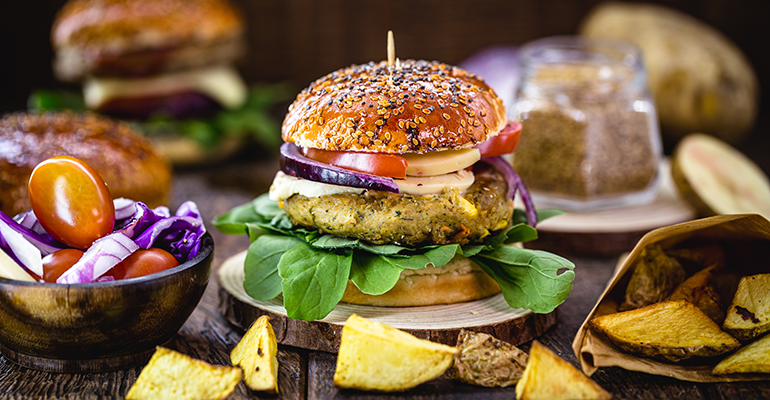
Along with fish, a wave of new products are making its way to the supermarket shelves as evolving manufacturing innovations also create pea-derived prawns and flaky fish fillets from macro- and microalgae.
Plant-based seafood satisfies demand?
These products join tuna, salmon, caviar, scallops, squid, and crab as plant-based seafood already available in a market that is set to fill the unmet gap in aquaculture production and wild caught fish.
According to a Informa Market Insights report, by 2030, global demand for seafood is projected to be 30% higher than 2010 levels.
So far, product development of plant-based fish and seafood has lagged behind beef, chicken and pork alternatives, accounting for just $9.5 million (€9m) or 1% of total plant-based meat dollar sales.
This indicates plenty of opportunity for both new and established brands, such as US-based firm Good Catch, which launched the first US-made plant-based salmon burger in January of this year.
Made from a six-plant blend of pea, soy, chickpea, lentil, soy, and navy bean protein, the burgers contain an impressive 16 grams of protein per serving.
Other firms in this space include New Wave Foods, Gardein, The Plant Based Seafood Company, Sophie’s Kitchen, Revo Foods, Hooked, Algama, and BettaF!sh.
Israeli startup Plantish makes plant-based salmon fillet with legume proteins, algae extracts, and 3D printing to replicate conventional fish as closely as possible.
Nestlé making progress in alt-seafood
In 2020, Nestlé made its first move into plant-based seafood with a six-ingredient vegan alternative to tuna called Vuna, sold under the Garden Gourmet brand in Switzerland.
Just over a year later, the food giant made available Vrimp, its new plant-based shrimp alternative made out of seaweed and peas, with paprika and carrot used to replicate the orange shrimp colour.
“This is not just a one season fad,” said Nestlé chief executive Mark Schneider of the shift towards plant-based eating. “This is something that has very solid, longer-term growth rates.”
“With fish it is more health-related, and with beef and chicken it is more about the environment,” he said of the reasons people were interested in plant-based foods.
Latest figures by Bloomberg Intelligence suggest the plant-based market could exceed $162 billion (€154bn) by 2030, growing 451% from its 2020 market value.
The food’s credentials in healthy and sustainable eating has clearly struck a chord with venture capitalists. Investment firm Big Idea Ventures launched a $50m (€50m) New Protein Fund I. The fund has invested in five alternative-seafood companies: German-based Esencia, UK-based Food Squared, Iceland-based Loki Foods and Singapore-based ImpacFat and Sono Biosciences.
Likewise, Hooked Foods recently announced a $4m (€3.8m) investment from investors including Swedish popstar Danny Saucedo.
The brand launched its alt-seafood tuna product, Toonish, in Sweden in October touting it to be the first 100% plant-based tuna to hit the shelves in Sweden.
Cell-cultivated seafood products
Although no cell-based seafood products have received regulatory approval, it was anticipated in Singapore by 2022, with sales in Japan and approval in North America, Europe, and Australia expected to follow.
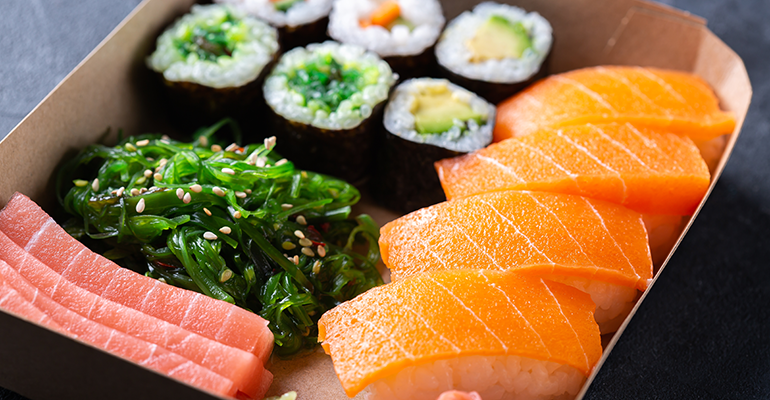 Pictured: Vegan seafood © AdobeStock/aamulya
Indeed, earlier this year, Japan’s Health, Labor and Welfare Ministry commissioned an investigation into the safety of cultivated meat and seafood with a view to develop a future regulatory framework for cultivated proteins.
In 2020, the World Sustainability Organization (WSO) launched a certification programme for plant-based seafood products via its Friend of the Sea initiative, authorising vegan foods to position themselves as sustainable seafood.
Certified front-of-pack labels such as this could reinforce the eco-friendliness of seafood alternatives and drive further consumer interest.

Get more of our news on Google
Set Ingredients Network as a 'Preferred Source' to get quicker access to the news you value.
Related news

Kellogg accelerates work to remove artificial colours from all US cereals
3 Sep 2026
WK Kellogg has announced an accelerated timeline to eliminate all artificial colours and the chemical preservative, BHT, across its full US portfolio of cereals and cereal packaging.
Read more
Skimpflation: An ‘unfair’ and risky approach to keeping prices low
2 Sep 2026
Consumers see skimpflation – reducing the quality of ingredients due to rising costs – as more unfair than shrinkflation, making it a risky strategy according to recent research.
Read more
‘Urgent gaps’ in achieving 2030 food system goals
27 Aug 2026
Global food systems are failing to meet 2030 targets across indicators including health, environment, and resilience, according to a report co-authored by the Food and Agriculture Organisation (FAO).
Read more
Seven-Eleven uses microbial testing tech to extend katsudon shelf life
26 Aug 2026
Japanese retail company Seven-Eleven has improved its factory’s microbial environment to keep comfort-food staple, katsudon, fresher for longer.
Read more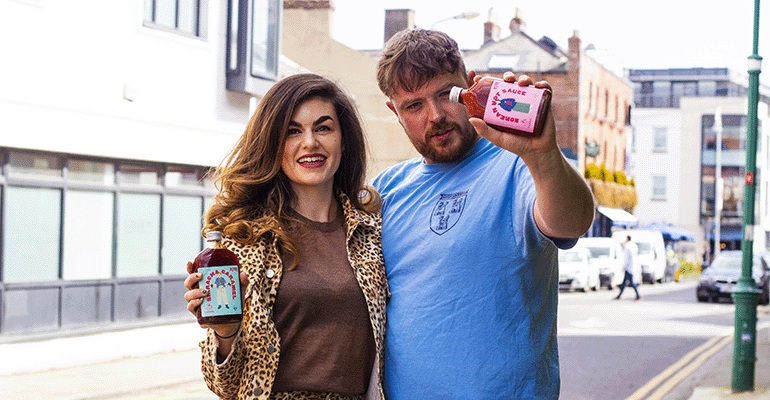
Chimac’s fusion sauces bring Korean flavours to Europe
25 Aug 2026
Irish sauce brand Chimac is tapping into Korea’s culinary traditions, bringing its flavours and products to European consumers who want a taste of K-food.
Read more
Global demand for instant noodles continues to rise
24 Aug 2026
Global demand for instant noodles reached 124.21 billion servings last year, representing a 0.7% year-on-year increase – or 900 million extra servings.
Read more
China beverages: Is herbal innovation the future?
20 Aug 2026
Herbal and botanical innovation in China's drinks market continues to grow, with ingredients like astragalus root, ginger, and ginseng in the spotlight – and focus shifting far beyond refreshment.
Read more
Popular barbecue staples experience sharp price increases
19 Aug 2026
The typical cost of US shoppers’ barbecue baskets has risen by 12% over the past year – the fastest annual rise in a decade, figures from The Economist show.
Read more
Hot NPD: Nissin launches first cold-water Cup Noodles
18 Aug 2026
Nissin is taking one of Japan’s most iconic instant meals in a completely new direction with the launch of the first cold water-only Cup Noodles in the brand’s 55-year history.
Read more
Beyond 'nice to have': A spotlight on US functional beverages
12 Aug 2026
Functional beverage interest in the US is gaining important ground as consumers now expect function rather than see it as "nice to have", and there are clear market gaps for growth, according to Spate.
Read more