
Ingredients Categories
Finished Products
Finished Food Categories
- Bakery
- Beverages / Juices
- Cereal and grain products
- Confectionery
- Cooking Fats & Oils
- Dairy
- Egg products
- Fruits & Vegetables
- Infant & Baby food
- Meat, Poultry & Fish
- Nuts & Seeds products
- Other Finished Food Categories
- Pet Food
- Plant-based foods
- Prepared foods
- Sauces & Seasonings
- Sweet & Savoury Spreads
Specialised Finished Products
- Bee products
- Biotic products
- Dietary supplements
- Energy drinks
- Functional beverages
- Functional confectionery
- Functional food
- Functional powders
- Meal replacement products
- Nutricosmetics
- Other Specialised Finished Products
- Pet Dietary Supplements
- Pharma and OTC products
- Protein products
- Sugar replacers / Sweeteners
Health & Wellness Areas
Delivery Formats
Operations & Services
- 3D printing
- Analysis/ Testing
- Auditing & certifications
- Blending & mixing
- Bottling
- Certification
- Clinical trials
- Co-packing
- Coating
- Consulting
- Contract manufacturing
- Drying
- Electrospinning
- Encapsulating
- Enzymatic processing
- Extracting
- Extrusion
- Fat structuring
- Fermentation
- Filling
- Flavour development
- Freeze drying
- Granulating/ grinding/ milling / mixing
- High-pressure processing
- Labelling
- Other Operations & Services
- Packaging
- Packet filling
- Pasturising
- Quality assurance
- Saccharification
- Shear cell processing
- Spray drying
- Sterilisation
- Storage & Logistics
- Tabletting
- Toasting / roasting
- Ultra-high temperature processing
News
Plant-based, whole-cut salmon to arrive in 2024
Katja Knox, Editorial Account Manager 31 Jan 2022Plantish revealed its prototype for plant-based, whole-cut salmon earlier this month when it came out of stealth mode. The Israeli-based startup said while its prototype will be available at popups for attendees to taste beginning this year, its salmon filets will not officially launch on the market until 2024.
After only existing for six months, Plantish has already made waves in the plant-based protein category. Last year, the startup netted $2 million from TechAviv Founder Partners, a venture fund backed by top industry veterans, investors and philanthropists. While this seed funding was granted at a conference in Israel, it is clear that the company has scale at the top of mind as it says it is looking to make a splash globally.
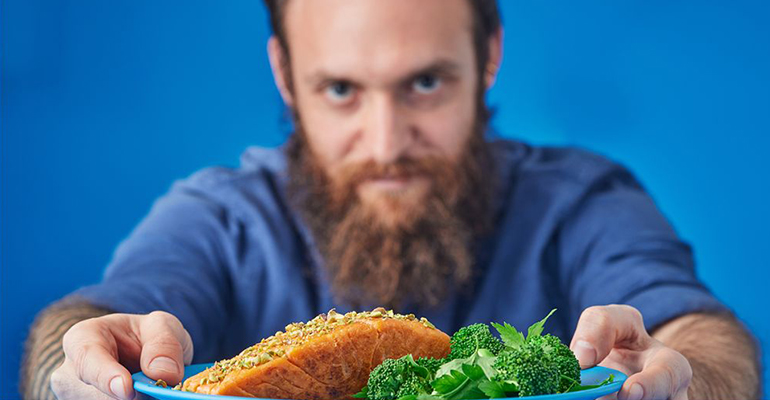
"Our vision is to be the world's leading seafood brand," Co-Founder and CEO Ofek Ron said in a statement. "All without hurting a single fish."
Although salmon is widely consumed — particularly in the U.S. where Americans consume about 450,000 pounds of it annually — there are not a significant number of plant-based options available, and the majority of those on the market are ground fish products. Currently, plant-based fish that is shaped into patties or other products is the most economical method of creating seafood without the sea animals. Plantish is hoping to change this through its “low-cost and high-scale” additive manufacturing production process also known as 3D printing.
If the company is successful at scaling with this manufacturing method, this patent-pending technology could change the tide in the plant-based seafood category since about 80% of conventional fish is consumed whole-cut, according to data from the market research firm IMARC Group cited by Plantish.
However, manufacturing entire fish filets that can be prepared in the same way as conventional salmon is not the only change that Plantish is hoping to bring to the seafood industry. In a release, the company claims its salmon “has the same nutritional value as conventional salmon and is high in protein, Omega-3s, Omega-6s, and B vitamins.” If the taste of its product is similarly on par with traditional salmon, the company is likely to gain quick attention.
Plantish is entering a category with plenty of room for growth. Alternative seafood represented only 0.1% of all of the seafood category’s retail dollar sales in 2020, according to a study from The Good Food Institute. It is also a space that is gaining recognition and popularity.
Good Catch is a major competitor that is producing vegan seafood products, and it recently launched a new plant-based salmon burger. One other company working towards a plant-based salmon fillet is Revo Foods, which is based in Austria and is using bioprinting technology for some of its alternative products, including salmon filets. If Plantish can jump into the fray with filets that achieve the same mouthfeel, texture and taste as animal salmon, it has a good chance of swimming.

Get more of our news on Google
Set Ingredients Network as a 'Preferred Source' to get quicker access to the news you value.
Related news

Do the US dietary guidelines put UPFs under pressure?
10 Sep 2026
Will the US dietary guidelines change the way Americans eat, swapping ultra-processed foods for whole foods? We asked Dr Barry Popkin, renowned nutrition and obesity researcher.
Read more
Food fraud costs UK economy £2bn each year
9 Sep 2026
Food fraud is costing the UK economy up to £2 billion (€2.3 billion) every year although the food sector is more “resilient” than others, according to a recent study.
Read more
Kellogg accelerates work to remove artificial colours from all US cereals
3 Sep 2026
WK Kellogg has announced an accelerated timeline to eliminate all artificial colours and the chemical preservative, BHT, across its full US portfolio of cereals and cereal packaging.
Read more
Skimpflation: An ‘unfair’ and risky approach to keeping prices low
2 Sep 2026
Consumers see skimpflation – reducing the quality of ingredients due to rising costs – as more unfair than shrinkflation, making it a risky strategy according to recent research.
Read more
‘Urgent gaps’ in achieving 2030 food system goals
27 Aug 2026
Global food systems are failing to meet 2030 targets across indicators including health, environment, and resilience, according to a report co-authored by the Food and Agriculture Organisation (FAO).
Read more
Seven-Eleven uses microbial testing tech to extend katsudon shelf life
26 Aug 2026
Japanese retail company Seven-Eleven has improved its factory’s microbial environment to keep comfort-food staple, katsudon, fresher for longer.
Read more
Chimac’s fusion sauces bring Korean flavours to Europe
25 Aug 2026
Irish sauce brand Chimac is tapping into Korea’s culinary traditions, bringing its flavours and products to European consumers who want a taste of K-food.
Read more
Global demand for instant noodles continues to rise
24 Aug 2026
Global demand for instant noodles reached 124.21 billion servings last year, representing a 0.7% year-on-year increase – or 900 million extra servings.
Read more
China beverages: Is herbal innovation the future?
20 Aug 2026
Herbal and botanical innovation in China's drinks market continues to grow, with ingredients like astragalus root, ginger, and ginseng in the spotlight – and focus shifting far beyond refreshment.
Read more
Popular barbecue staples experience sharp price increases
19 Aug 2026
The typical cost of US shoppers’ barbecue baskets has risen by 12% over the past year – the fastest annual rise in a decade, figures from The Economist show.
Read more