
Ingredients Categories
Finished Products
Finished Food Categories
- Bakery
- Beverages / Juices
- Cereal and grain products
- Confectionery
- Cooking Fats & Oils
- Dairy
- Egg products
- Fruits & Vegetables
- Infant & Baby food
- Meat, Poultry & Fish
- Nuts & Seeds products
- Other Finished Food Categories
- Pet Food
- Plant-based foods
- Prepared foods
- Sauces & Seasonings
- Sweet & Savoury Spreads
Specialised Finished Products
- Bee products
- Biotic products
- Dietary supplements
- Energy drinks
- Functional beverages
- Functional confectionery
- Functional food
- Functional powders
- Meal replacement products
- Nutricosmetics
- Other Specialised Finished Products
- Pet Dietary Supplements
- Pharma and OTC products
- Protein products
- Sugar replacers / Sweeteners
Health & Wellness Areas
Delivery Formats
Operations & Services
- 3D printing
- Analysis/ Testing
- Auditing & certifications
- Blending & mixing
- Bottling
- Certification
- Clinical trials
- Co-packing
- Coating
- Consulting
- Contract manufacturing
- Drying
- Electrospinning
- Encapsulating
- Enzymatic processing
- Extracting
- Extrusion
- Fat structuring
- Fermentation
- Filling
- Flavour development
- Freeze drying
- Granulating/ grinding/ milling / mixing
- High-pressure processing
- Labelling
- Other Operations & Services
- Packaging
- Packet filling
- Pasturising
- Quality assurance
- Saccharification
- Shear cell processing
- Spray drying
- Sterilisation
- Storage & Logistics
- Tabletting
- Toasting / roasting
- Ultra-high temperature processing
News
The race for a true, non-artificial blue continues with spirulina
Katja Knox, Editorial Account Manager 18 Mar 2022
The colour blue has proven difficult to recreate using natural sources. However, manufacturers have continued to innovate around the challenge of producing a natural, vibrant blue, and the latest addition to the space is a spirulina-based shade from the Israeli food tech company Gavan.
Using a proprietary technology, Gavan produced a blue colouring for hot and cold beverages. According to a press release sent to Ingredients Network, this new colorant is an “entirely natural, pure blue that … holds up under high-heat processing and in low pH, enabling full pasteurisation.”
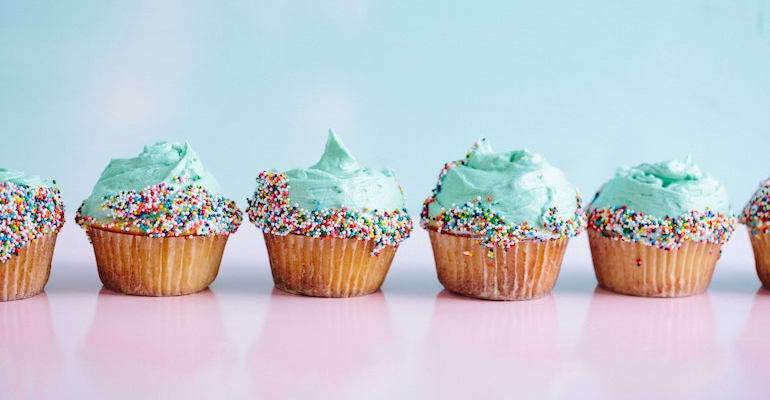
A natural blue that holds up to manufacturing pressures
Producing a natural blue has been a tricky process for manufacturers in recent years. In nature, this shade is rare, and when it is seen, it often means poison. Even foods that are typically associated with the colour blue — like blueberries — are actually a shade of purple. Spirulina is one of the rare sources of a natural blue, and it has attracted a lot of attention over the last decade. But this popularity has not come without its challenges.
Heat treatment can impact spirulina-derived colour, and any shift in the pH can impair the stablility of the colour. “The main barrier to creating food formulations with natural colours is stability—the ability to overcome formulation challenges and ensure vibrant and consistent true blue throughout the product’s shelf life,” Yael Leader, head of product for Gavan said. Gavan says that its new spirulina-derived blue will remain vibrant, even at pH as low as 3.0.
In addition to colour instability and difficulties with consistent colour application across products, the global availability of spirulina risks limiting its potential. When the Food and Drug Administration gave the green light to candy manufacturer Mars to use the algae spirulina to make the first natural blue dye in 2013, the company was quoted in the New York Times saying that in order to switch just the blue of its M&Ms to a spirulina-based alternative, it would "need twice the current global supply" of the plant.
Gavan said it was not worried that global supply would artificially limit its ability to grow into a competitive blue colouring alternative. Itai Cohen, CEO and co-founder of Gavan told Ingredients Network that “spirulina availability is limited mostly by the demand in the market…Given the right interface and functional traits, global supply can increase very quickly to accommodate the demand. Spirulina producers are able to provide stable and continuous supply throughout the year, with minimal dependency on climate conditions.”
The wild blue yonder: alternative sources of potential blue abound
However, spirulina is not the only option that manufacturers now have to avoid using the synthetic shades of Blue 1 and Blue 2. Last year, scientists synthesised a blue colouring alternative derived from red cabbage that was “nearly identical” to Blue No. 1. Butterfly pea flower presents another alternative; this ingredient is popular in Southeast Asia as an herbal beverage but is sensitive to pH changes. There is also huito, a tropical fruit that ADM turned into a natural blue colourant and patented.
Regardless of the source for natural blue, manufacturers will need to be mindful of its final hue. Nearly all shoppers are influenced by colour. Ninety percent will register a product’s colour as a perceived taste, which will determine whether they will purchase the product, according to a study by Emerald Insights. And this is a worldwide phenomenon. In China, three out of 10 consumers say attractive colours encourage them to try a beverage and nearly a third of consumers say it is important that snacks are ‘visually impressive,’ according to Mintel research.

Get more of our news on Google
Set Ingredients Network as a 'Preferred Source' to get quicker access to the news you value.
Related news

Do the US dietary guidelines put UPFs under pressure?
10 Sep 2026
Will the US dietary guidelines change the way Americans eat, swapping ultra-processed foods for whole foods? We asked Dr Barry Popkin, renowned nutrition and obesity researcher.
Read more
Food fraud costs UK economy £2bn each year
9 Sep 2026
Food fraud is costing the UK economy up to £2 billion (€2.3 billion) every year although the food sector is more “resilient” than others, according to a recent study.
Read more
Kellogg accelerates work to remove artificial colours from all US cereals
3 Sep 2026
WK Kellogg has announced an accelerated timeline to eliminate all artificial colours and the chemical preservative, BHT, across its full US portfolio of cereals and cereal packaging.
Read more
Skimpflation: An ‘unfair’ and risky approach to keeping prices low
2 Sep 2026
Consumers see skimpflation – reducing the quality of ingredients due to rising costs – as more unfair than shrinkflation, making it a risky strategy according to recent research.
Read more
‘Urgent gaps’ in achieving 2030 food system goals
27 Aug 2026
Global food systems are failing to meet 2030 targets across indicators including health, environment, and resilience, according to a report co-authored by the Food and Agriculture Organisation (FAO).
Read more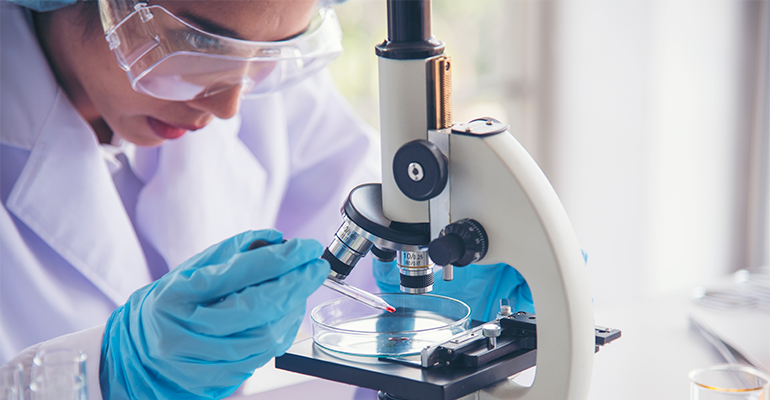
Seven-Eleven uses microbial testing tech to extend katsudon shelf life
26 Aug 2026
Japanese retail company Seven-Eleven has improved its factory’s microbial environment to keep comfort-food staple, katsudon, fresher for longer.
Read more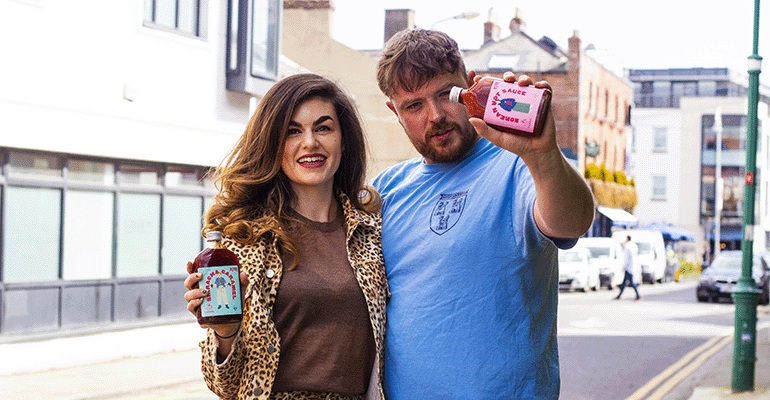
Chimac’s fusion sauces bring Korean flavours to Europe
25 Aug 2026
Irish sauce brand Chimac is tapping into Korea’s culinary traditions, bringing its flavours and products to European consumers who want a taste of K-food.
Read more
Global demand for instant noodles continues to rise
24 Aug 2026
Global demand for instant noodles reached 124.21 billion servings last year, representing a 0.7% year-on-year increase – or 900 million extra servings.
Read more
China beverages: Is herbal innovation the future?
20 Aug 2026
Herbal and botanical innovation in China's drinks market continues to grow, with ingredients like astragalus root, ginger, and ginseng in the spotlight – and focus shifting far beyond refreshment.
Read more
Popular barbecue staples experience sharp price increases
19 Aug 2026
The typical cost of US shoppers’ barbecue baskets has risen by 12% over the past year – the fastest annual rise in a decade, figures from The Economist show.
Read more