
Ingredients Categories
Finished Products
Finished Food Categories
- Bakery
- Beverages / Juices
- Cereal and grain products
- Confectionery
- Cooking Fats & Oils
- Dairy
- Egg products
- Fruits & Vegetables
- Infant & Baby food
- Meat, Poultry & Fish
- Nuts & Seeds products
- Other Finished Food Categories
- Pet Food
- Plant-based foods
- Prepared foods
- Sauces & Seasonings
- Sweet & Savoury Spreads
Specialised Finished Products
- Bee products
- Biotic products
- Dietary supplements
- Energy drinks
- Functional beverages
- Functional confectionery
- Functional food
- Functional powders
- Meal replacement products
- Nutricosmetics
- Other Specialised Finished Products
- Pet Dietary Supplements
- Pharma and OTC products
- Protein products
- Sugar replacers / Sweeteners
Health & Wellness Areas
Delivery Formats
Operations & Services
- 3D printing
- Analysis/ Testing
- Auditing & certifications
- Blending & mixing
- Bottling
- Certification
- Clinical trials
- Co-packing
- Coating
- Consulting
- Contract manufacturing
- Drying
- Electrospinning
- Encapsulating
- Enzymatic processing
- Extracting
- Extrusion
- Fat structuring
- Fermentation
- Filling
- Flavour development
- Freeze drying
- Granulating/ grinding/ milling / mixing
- High-pressure processing
- Labelling
- Other Operations & Services
- Packaging
- Packet filling
- Pasturising
- Quality assurance
- Saccharification
- Shear cell processing
- Spray drying
- Sterilisation
- Storage & Logistics
- Tabletting
- Toasting / roasting
- Ultra-high temperature processing
News
US organic market passes $50 billion
22 May 2019The U.S. organic market in 2018 broke through the $50 billion mark for the first time, with sales hitting a record $52.5 billion, up 6.3% from the previous year, according to the 2019 Organic Industry Survey released by the Organic Trade Association (OTA).
New records were made in both the organic food market and the organic non-food market. Organic food sales reached $47.9 billion, for an increase of 5.9%. Sales of organic non-food products jumped by 10.6% to $4.6 billion.

The growth rate for organic continued to easily outpace the general market: in 2018, total food sales in the U.S. edged up just 2.3%while total non-food sales rose 3.7%.
Millennials are pushing for transparency and integrity in the food supply chain, and they are savvy to misleading marketing, believes the OTA. The USDA Organic seal is gaining new appeal as consumers realize that organic is a certification that is not only monitored and supported by official standards, but is the only seal that encompasses the spectrum of Non-GMO, no toxic pesticides or chemicals, dyes or preservatives. Almost 6% (5.7%) of the food sold in this country is now organic. Today’s consumers can find organic products – food and non-food items -- in every aisle of their grocery stores. They can choose organic in their favourite big box store, their club warehouse store, even in their neighborhood convenience store, and increasingly on the internet. Organic is no longer a niche market.“Organic is now considered mainstream. But the attitudes surrounding organic are anything but status quo,” said Laura Batcha, CEO and Executive Director of the Organic Trade Association. “In 2018, there was a notable shift in the mindset of those working in organic toward collaboration and activism to move the needle on the role organic can play in sustainability and tackling environmental initiatives.”“Activism is a natural reaction from an industry that is really close to the consumer. When we are in an environment where government is not moving fast enough, the industry is choosing to move to meet the consumer rather than get stalled,” said Batcha.Still the stalwart of the organic industry, sales of organic fruits and vegetables rose to $17.4 billion in 2018 for a 5.6% rate of growth, on par with the growth attained in 2017. By comparison, the overall fruits and vegetables category, including both organic and conventional products, grew by just 1.7% in 2018. Fruits and vegetables now account for 36.3% of all organic food sales. Organic fruits and vegetable make up close to 15% (14.6%) of all the produce sold in the U.S., and have nearly doubled their market share in the last ten years.Produce is a gateway to organic for consumers, especially Millennials and those with young families. Industry experts note that the more people learn about health and wellness, the more people buy fresh produce.Popular in the organic produce aisles: the classics like carrots, greens, apples, bananas. Also hitting stride are organic berries, avocados, brussel sprouts, cauliflower and tropical fruits like mangoes and papayas. And outside the fresh produce section, the frozen, canned, and dried vegetable and fruit sections also made gains.Shoppers, especially young families, are increasingly seeking out products made from high-quality simple ingredients from brands committed to sustainable agriculture and its environmental benefits, the OTA claims. Those shoppers turn to organic dairy as a trusted clean product free of antibiotics, synthetic hormones and chemicals. But growth in the U.S. dairy sector slowed for the second straight year due largely to shifting diet trends. Still the second-largest organic category, dairy and egg sales were $6.5 billion in 2018, up 0.8% from 2017.Although growth in organic egg sales has slowed from the strong double-digit growth seen in the first part of this decade, the $858 million category still grew by a solid 9.3% in 2018. As more consumers get into organic, organic egg demand is expected to continue growing.But where skim milk and low fat products were not so long ago favoured by consumers, products high in healthy fats and protein are now popular. Many Millennials have also moved away from livestock-based products toward plant-based foods and beverages. Experts said that to satisfy today’s consumer, the importance of innovation in the organic dairy sector has never been greater. In 2018, the industry responded with milk beverages with increased protein, more full-fat dairy products, new flavours and grass-fed products.Consumers are making the connection that the same reasons they choose to eat organic food apply to the non-food products they use--whether napkins for their dinner table, food for their pets, lotions they put on their skin or the supplements they ingest, the OTA says. Consumers want clean labels and to reduce the chemical load on their bodies. Millennials also have a higher awareness around supply chain transparency and sustainability. All of these factors bode well for the future of the organic non-food industry.In 2018, the organic non-food category reached $4.6 billion in sales with a growth rate of 10.6%. This rate is both well above the 7.4% growth rate reported in 2017, and the 3.6% growth rate reported in 2018 for the overall non-food industry (conventional and organic combined).The strongest growth came from fibre, the largest of the non-food categories, which accounts for 40% of the organic non-food market. In 2018, fibre recorded $1.8 billion in sales, up from $1.6 billion in 2017.The outlook for organic is not without its challenges, the OTA notes, but all expectations are that innovation and activism by the organic industry will continue to build as the sector works to maintain the credibility of the Organic seal and the trust of consumers.“Organic is in a unique and tough environment. The government is slowing the advancement of the organic standard, but the positive news is that industry is finding ways to innovate and get closer to the consumer without walking away from the organic program—the sector is innovating yet requiring that federal organic be in place,” said Batcha. “So, whether it’s grass-fed, regenerative, or Global Organic Textile Standard certified, they all have to be organic. The industry is committed to standards and giving consumers what they want.”

Get more of our news on Google
Set Ingredients Network as a 'Preferred Source' to get quicker access to the news you value.
Related news

Cottage cheese alternative made from fermented apricot kernels
1 Oct 2026
Revo Foods ferments leftover apricot kernels from jam and juice products into a cottage cheese alternative that naturally contains both protein and fat.
Read more
Turning plant potential into food solutions
1 Oct 2026
Today, plant-based and free-from ingredients must do more than replace. MartinoRossi combines nutrition, functionality, and processing performance to address new formulation challenges.
Read more
Hügli Food Industry: Innovations at Fi Europe 2026
1 Oct 2026
Taste 90 years of culinary mastery at Fi Europe (Booth 41G44), where Hügli will feature chilled Bresc Umami compounds alongside Sauce Culture, its newest snack seasoning concept.
Read more
Reinventing soda: Zero sugar, functional benefits, and new indulgence
30 Sep 2026
Zero-sugar, functional, and indulgent sodas are redefining what a carbonated soft drink can offer in today’s evolving market.
Read more
Is creatine going mainstream in food and drink formulation?
24 Sep 2026
The functional ingredient creatine is gaining traction in the food and drink industry, as brands ramp up production investment and explore new applications.
Read more.jpg)
Nactarome: New possibilities in natural innovation
24 Sep 2026
As food innovation becomes increasingly multi-dimensional, Nactarome's expanding expertise reflects a growing industry focus on integrated natural ingredient solutions.
Read more
New GRAS rules offer consumers confidence but companies are concerned
22 Sep 2026
Public health campaigners are celebrating the US government’s move to close the Generally Recognised as Safe (GRAS) loophole, but companies worry it will stifle innovation.
Read more
Immunity, wellness, and nutrition: Nutraceutical promise in the Middle East and Africa
17 Sep 2026
Nutraceuticals continue to gain ground across the Middle East and Africa with vitamins, probiotics, and functional drinks doing particularly well, says Euromonitor.
Read more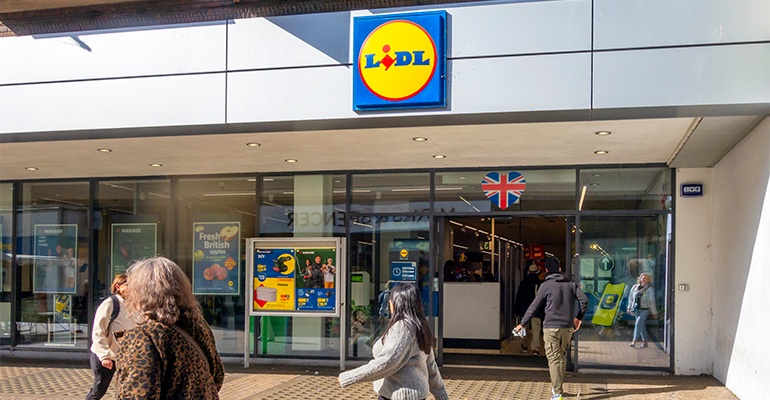
Lidl says Britain 'significantly off track' with healthy and sustainable eating
15 Sep 2026
Discounter retailer Lidl has raised concerns about healthy and sustainable eating habits across Britain, spotlighting how affordability remains a barrier for consumers.
Read more
Do the US dietary guidelines put UPFs under pressure?
10 Sep 2026
Will the US dietary guidelines change the way Americans eat, swapping ultra-processed foods for whole foods? We asked Dr Barry Popkin, renowned nutrition and obesity researcher.
Read more