
Ingredients Categories
Finished Products
Finished Food Categories
- Bakery
- Beverages / Juices
- Cereal and grain products
- Confectionery
- Cooking Fats & Oils
- Dairy
- Egg products
- Fruits & Vegetables
- Infant & Baby food
- Meat, Poultry & Fish
- Nuts & Seeds products
- Other Finished Food Categories
- Pet Food
- Plant-based foods
- Prepared foods
- Sauces & Seasonings
- Sweet & Savoury Spreads
Specialised Finished Products
- Bee products
- Biotic products
- Dietary supplements
- Energy drinks
- Functional beverages
- Functional confectionery
- Functional food
- Functional powders
- Meal replacement products
- Nutricosmetics
- Other Specialised Finished Products
- Pet Dietary Supplements
- Pharma and OTC products
- Protein products
- Sugar replacers / Sweeteners
Health & Wellness Areas
Delivery Formats
Operations & Services
- 3D printing
- Analysis/ Testing
- Auditing & certifications
- Blending & mixing
- Bottling
- Certification
- Clinical trials
- Co-packing
- Coating
- Consulting
- Contract manufacturing
- Drying
- Electrospinning
- Encapsulating
- Enzymatic processing
- Extracting
- Extrusion
- Fat structuring
- Fermentation
- Filling
- Flavour development
- Freeze drying
- Granulating/ grinding/ milling / mixing
- High-pressure processing
- Labelling
- Other Operations & Services
- Packaging
- Packet filling
- Pasturising
- Quality assurance
- Saccharification
- Shear cell processing
- Spray drying
- Sterilisation
- Storage & Logistics
- Tabletting
- Toasting / roasting
- Ultra-high temperature processing
News
Lidl says Britain 'significantly off track' with healthy and sustainable eating
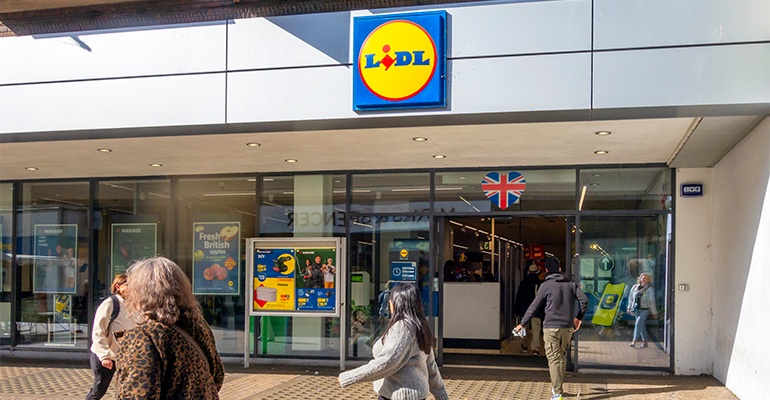
Kacey Culliney, Freelance Journalist 15 Sep 2026Discounter retailer Lidl has raised concerns about healthy and sustainable eating habits across Britain, spotlighting how affordability remains a barrier for consumers.
Great Britain has reached the tipping point of a healthy and sustainable diet, according to research commissioned by Lidl GB and conducted by independent consultancy WPI Economics.
At a glance:
- Discounter retailer Lidl has commissioned research showing that Britain is off track with health and sustainable eating goals outlined in the Planetary Health Diet.
- UK consumption of meat protein and high-sugar, high-fat products is above recommended levels; fruit and veg consumption under.
- Change needs to happen, particularly in breaking down affordability and accessibility barriers, says Lidl.
National Diets and Nutrition Survey (NDNS) data used in the research indicates that current UK food consumption exceeds the Planetary Health Diet 2050 EAT-Lancet framework recommendations for high-fat and high-sugar products and falls short on fruit, vegetable, wholegrain and plant protein intake.
Consumption of foods high in added fats and sugars is 60% above recommended levels, as is animal protein consumption, and UK consumers are eating just 40% of the recommended fruit and vegetable intake and only 18% of suggested plant-based protein levels, the research shows. Consumption of starchy vegetables and dairy is broadly aligned with recommendations.
Lidl said Britain exceeded its overall annual balance of healthy and sustainable foods in mid-July, this year, marking a “critical moment for the UK food system” given the more frequent extreme weather and rising levels of obesity and diet-related illness.
“This overshoot is being driven by an imbalance across UK diets,” it said. “...If these eating habits continue, the UK will remain significantly off track from the dietary balance that the scientists behind the Planetary Health Diet say is needed to support both planetary and human health.”
Breaking down barriers
According to a separate consumer survey of 2,000 adults in the UK (excluding Northern Ireland), commissioned by Lidl, 45% of people believe affordability to be one of the biggest barriers to eating more healthily and sustainably. This is despite 65% worrying about the impact of their diet on long-term health and 52% looking for more guidance on how to eat healthily without increasing their grocery bill, the survey showed.
“These findings are a wake-up call,” said Richard Bourns, chief commercial officer at Lidl GB. “As a nation, we're at a dietary tipping point, and we need a big shift in how we eat to ensure we're consuming more of what we're currently lacking.”
Bourns said the hope is that these findings inspire change amongst retailers, policymakers and producers to make “better food accessible for everyone”.
Lidl has already started its efforts, he said, aligning the company's overall commercial strategy with the principles behind the Planetary Health Diet, for example. The retailer said it offers year-round promotions, rewards and initiatives designed to make balanced choices more accessible and affordable and has also introduced a “Live Well” label on its own-label products to indicate they are both healthy and sustainable.
A food system that 'works better for people and the planet'
Looking ahead, the goal is to continue investing in efforts to make healthy and sustainable options more readily available across the UK, the executive said. By 2030, for example, Lidl GB wants to increase the proportion of plant-based foods sold in its stores by 20%, increase the share of wholegrain products to 25%, and categorise 10% of its own-brand range as 'Live Well'.
Elaine Hindal, CEO at the British Nutrition Food Foundation, said healthier, more sustainable diets should not be complicated. “Helping people understand what a balanced diet looks like, while making those options easy to choose and affordable to buy, is critical to building a food system that works better for people and the planet.”
The Food and Agriculture Organisation (FAO) recently co-authored a report highlighting the 'urgent gaps' in achieving 2030 food system goals, noting the need to accelerate progress globally.

Get more of our news on Google
Set Ingredients Network as a 'Preferred Source' to get quicker access to the news you value.
Related news

Do the US dietary guidelines put UPFs under pressure?
10 Sep 2026
Will the US dietary guidelines change the way Americans eat, swapping ultra-processed foods for whole foods? We asked Dr Barry Popkin, renowned nutrition and obesity researcher.
Read more
Food fraud costs UK economy £2bn each year
9 Sep 2026
Food fraud is costing the UK economy up to £2 billion (€2.3 billion) every year although the food sector is more “resilient” than others, according to a recent study.
Read more
Kellogg accelerates work to remove artificial colours from all US cereals
3 Sep 2026
WK Kellogg has announced an accelerated timeline to eliminate all artificial colours and the chemical preservative, BHT, across its full US portfolio of cereals and cereal packaging.
Read more
Skimpflation: An ‘unfair’ and risky approach to keeping prices low
2 Sep 2026
Consumers see skimpflation – reducing the quality of ingredients due to rising costs – as more unfair than shrinkflation, making it a risky strategy according to recent research.
Read more
NielsenIQ’s EU barometer shows Britain leading in grocery inflation
31 Aug 2026
Britain was the only country to record grocery inflation above 2%, according to NielsenIQ data that compared Europe’s five biggest grocery markets from February to May 2026.
Read more
‘Urgent gaps’ in achieving 2030 food system goals
27 Aug 2026
Global food systems are failing to meet 2030 targets across indicators including health, environment, and resilience, according to a report co-authored by the Food and Agriculture Organisation (FAO).
Read more
Chimac’s fusion sauces bring Korean flavours to Europe
25 Aug 2026
Irish sauce brand Chimac is tapping into Korea’s culinary traditions, bringing its flavours and products to European consumers who want a taste of K-food.
Read more
Global demand for instant noodles continues to rise
24 Aug 2026
Global demand for instant noodles reached 124.21 billion servings last year, representing a 0.7% year-on-year increase – or 900 million extra servings.
Read more
Popular barbecue staples experience sharp price increases
19 Aug 2026
The typical cost of US shoppers’ barbecue baskets has risen by 12% over the past year – the fastest annual rise in a decade, figures from The Economist show.
Read more
Hot NPD: Nissin launches first cold-water Cup Noodles
18 Aug 2026
Nissin is taking one of Japan’s most iconic instant meals in a completely new direction with the launch of the first cold water-only Cup Noodles in the brand’s 55-year history.
Read more