
Ingredients Categories
Finished Products
Finished Food Categories
- Bakery
- Beverages / Juices
- Cereal and grain products
- Confectionery
- Cooking Fats & Oils
- Dairy
- Egg products
- Fruits & Vegetables
- Infant & Baby food
- Meat, Poultry & Fish
- Nuts & Seeds products
- Other Finished Food Categories
- Pet Food
- Plant-based foods
- Prepared foods
- Sauces & Seasonings
- Sweet & Savoury Spreads
Specialised Finished Products
- Bee products
- Biotic products
- Dietary supplements
- Energy drinks
- Functional beverages
- Functional confectionery
- Functional food
- Functional powders
- Meal replacement products
- Nutricosmetics
- Other Specialised Finished Products
- Pet Dietary Supplements
- Pharma and OTC products
- Protein products
- Sugar replacers / Sweeteners
Health & Wellness Areas
Delivery Formats
Operations & Services
- 3D printing
- Analysis/ Testing
- Auditing & certifications
- Blending & mixing
- Bottling
- Certification
- Clinical trials
- Co-packing
- Coating
- Consulting
- Contract manufacturing
- Drying
- Electrospinning
- Encapsulating
- Enzymatic processing
- Extracting
- Extrusion
- Fat structuring
- Fermentation
- Filling
- Flavour development
- Freeze drying
- Granulating/ grinding/ milling / mixing
- High-pressure processing
- Labelling
- Other Operations & Services
- Packaging
- Packet filling
- Pasturising
- Quality assurance
- Saccharification
- Shear cell processing
- Spray drying
- Sterilisation
- Storage & Logistics
- Tabletting
- Toasting / roasting
- Ultra-high temperature processing
News
Aldi UK’s food waste campaign points to a shift in retailer strategies
Simon Pitman, Freelance Journalist 22 Jul 2025Aldi UK’s initiative encouraging shoppers to embrace their freezers signals a shift in how retailers are weaving food waste initiatives into their broader strategies, industry observers suggest.
For the campaign – dubbed “Press Pause” – the chain is teaming up with food waste expert Kate Hall to provide consumers with simple freezing tips and budget-friendly recipes.
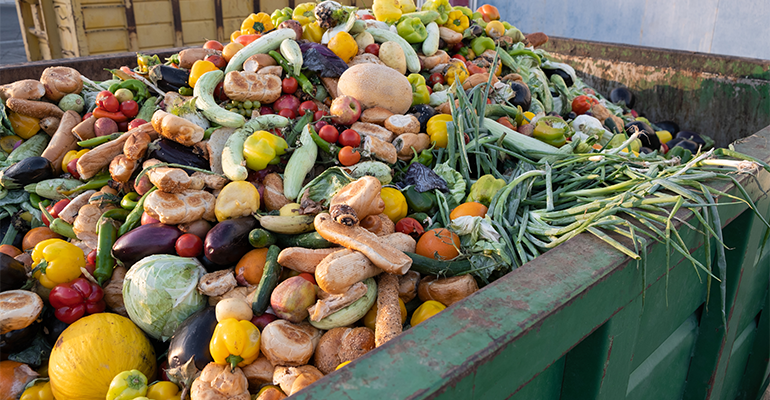
The campaign, which has attracted attention for its practical hacks, is backed by statistics highlighting that the average UK consumer disposes of nearly £400 worth of food annually, Aldi’s initiative aims to demystify freezing while reducing waste at the household level.
Luke Emery, Aldi UK’s national sustainability director, said: “We’re on a mission to help shoppers minimise their food waste too, while getting even more value from their Aldi groceries at the same time.”
Focus on waste fits with climate and economic concerns
This approach is timely. With inflation, climate volatility, and shifting consumer expectations exerting growing pressure on the grocery sector, food waste reduction is a business differentiator as well as an ethical imperative.
Oona Buttafoco, senior policy officer at the Soil Association, pointed to the broader implications. He said: “Aldi’s campaign encouraging consumers to freeze food is a practical step in tackling household food waste – a significant part of the problem.
“However, for long-term retail behaviour to truly shift, initiatives must extend beyond consumer education.”
A more cohesive and comprehensive approach needed
Household waste is just one part of the overall waste problem. The real challenge lies upstream – in forecasting, procurement, logistics, and packaging.
Buttafoco warned that current UK efforts often remain “piecemeal or driven by reputational concerns”, rather than forming part of a coordinated national strategy.
This stands in stark contrast to several northern European countries. Denmark, the Netherlands, and Sweden have long treated food waste as a policy priority, embedding reduction targets into national frameworks.
Danish supermarkets, for example, are required to track and publicly report food waste metrics, while also participating in government-led redistribution initiatives.
“The UK is making progress,” said Buttafoco, “but lags behind some of its European counterparts in embedding food waste reduction into regulatory frameworks and retail norms.”
“UK retailers could learn from these models by embracing transparent food waste reporting and investing in circular approaches such as surplus redistribution.”
Farming can also play an important role
While the UK has organisations like the non-profit Waste and Resources Action Programme (WRAP) spearheading change, Buttafoco suggested that there is a need for retailers to step beyond compliance. That includes treating food waste as a performance metric.
Another key factor is farming. According to the Soil Association, regenerative and organic systems can help prevent food loss even before it reaches the shelf. These practices support more agile supply chains by promoting local sourcing and stronger relationships between retailers and producers.
“To harness this potential,” says Buttafoco, “retailers need to build stronger, more supportive relationships with farmers. That could mean long-term contracts, flexible rules on cosmetic standards, and joint investment in post-harvest infrastructure.”
What impact will Aldi’s food waste campaign really make?
If it is just a standalone campaign, Press Pause may fall short, but there are indications that food waste is becoming more than an environmental talking point.
Buttafoco said: “Retailers that actively reduce waste can lower costs, safeguard supply, and better meet demand for affordable, sustainable food. Consumers are increasingly savvy about greenwashing, rewarding transparency, and authenticity.”
While Aldi’s initiative may become a model if it's followed by deeper operational reforms, it remains to be seen if other UK food retailers will follow suit and start catching up with other parts of Northern Europe.

Get more of our news on Google
Set Ingredients Network as a 'Preferred Source' to get quicker access to the news you value.
Related news

M&S launches own-brand pet food range
11 Sep 2026
UK retailer Marks & Spencer has launched its own-brand pet food line Paws & Pals – a well-timed and strategic move that will appeal to loyal shoppers, says a marketing expert.
Read more
Do the US dietary guidelines put UPFs under pressure?
10 Sep 2026
Will the US dietary guidelines change the way Americans eat, swapping ultra-processed foods for whole foods? We asked Dr Barry Popkin, renowned nutrition and obesity researcher.
Read more
Food fraud costs UK economy £2bn each year
9 Sep 2026
Food fraud is costing the UK economy up to £2 billion (€2.3 billion) every year although the food sector is more “resilient” than others, according to a recent study.
Read more
Kellogg accelerates work to remove artificial colours from all US cereals
3 Sep 2026
WK Kellogg has announced an accelerated timeline to eliminate all artificial colours and the chemical preservative, BHT, across its full US portfolio of cereals and cereal packaging.
Read more
Skimpflation: An ‘unfair’ and risky approach to keeping prices low
2 Sep 2026
Consumers see skimpflation – reducing the quality of ingredients due to rising costs – as more unfair than shrinkflation, making it a risky strategy according to recent research.
Read more
NielsenIQ’s EU barometer shows Britain leading in grocery inflation
31 Aug 2026
Britain was the only country to record grocery inflation above 2%, according to NielsenIQ data that compared Europe’s five biggest grocery markets from February to May 2026.
Read more
‘Urgent gaps’ in achieving 2030 food system goals
27 Aug 2026
Global food systems are failing to meet 2030 targets across indicators including health, environment, and resilience, according to a report co-authored by the Food and Agriculture Organisation (FAO).
Read more
Seven-Eleven uses microbial testing tech to extend katsudon shelf life
26 Aug 2026
Japanese retail company Seven-Eleven has improved its factory’s microbial environment to keep comfort-food staple, katsudon, fresher for longer.
Read more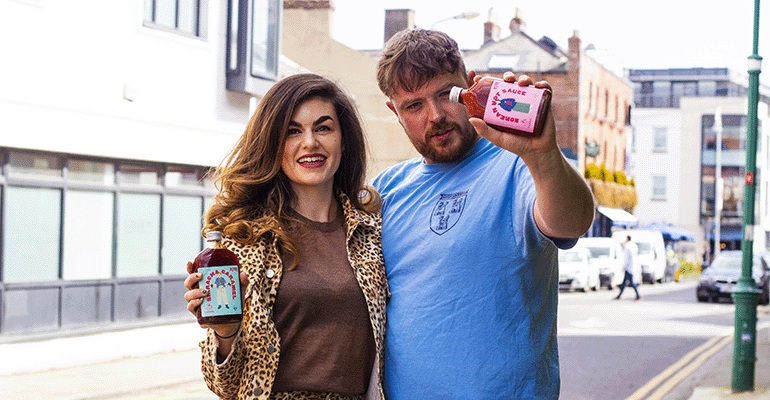
Chimac’s fusion sauces bring Korean flavours to Europe
25 Aug 2026
Irish sauce brand Chimac is tapping into Korea’s culinary traditions, bringing its flavours and products to European consumers who want a taste of K-food.
Read more
Global demand for instant noodles continues to rise
24 Aug 2026
Global demand for instant noodles reached 124.21 billion servings last year, representing a 0.7% year-on-year increase – or 900 million extra servings.
Read more