
Ingredients Categories
Finished Products
Finished Food Categories
- Bakery
- Beverages / Juices
- Cereal and grain products
- Confectionery
- Cooking Fats & Oils
- Dairy
- Egg products
- Fruits & Vegetables
- Infant & Baby food
- Meat, Poultry & Fish
- Nuts & Seeds products
- Other Finished Food Categories
- Pet Food
- Plant-based foods
- Prepared foods
- Sauces & Seasonings
- Sweet & Savoury Spreads
Specialised Finished Products
- Bee products
- Biotic products
- Dietary supplements
- Energy drinks
- Functional beverages
- Functional confectionery
- Functional food
- Functional powders
- Meal replacement products
- Nutricosmetics
- Other Specialised Finished Products
- Pet Dietary Supplements
- Pharma and OTC products
- Protein products
- Sugar replacers / Sweeteners
Health & Wellness Areas
Delivery Formats
Operations & Services
- 3D printing
- Analysis/ Testing
- Auditing & certifications
- Blending & mixing
- Bottling
- Certification
- Clinical trials
- Co-packing
- Coating
- Consulting
- Contract manufacturing
- Drying
- Electrospinning
- Encapsulating
- Enzymatic processing
- Extracting
- Extrusion
- Fat structuring
- Fermentation
- Filling
- Flavour development
- Freeze drying
- Granulating/ grinding/ milling / mixing
- High-pressure processing
- Labelling
- Other Operations & Services
- Packaging
- Packet filling
- Pasturising
- Quality assurance
- Saccharification
- Shear cell processing
- Spray drying
- Sterilisation
- Storage & Logistics
- Tabletting
- Toasting / roasting
- Ultra-high temperature processing
News
Brain health supplements see US growth from two directions converge
Rick Polito, NBJ Editor in Chief 4 Sep 2023
The market for brain health supplements has long been seen as two markets, each with specific goals and concerns, one fueled by aspiration and the other by desperation, but new data from Nutrition Business Journal suggests the twin drivers of brain health sales might be meeting in the middle.
Or they may at least be meeting in the mainstream, according to new data from the Condition Specific Report, the latest report published by Nutrition Business Journal (NBJ). This makes brain health a bright spot for the US supplement industry. NBJ tracked 7.2% growth for brain health in 2022, a year when the overall industry grew at just 1.9%.

Mainstreaming, the report contends, helps explain that growth.
Mention cognitive health to most people and they might think of commercials for Prevagen and the like, all featuring older consumers telling stories of failing memory followed by a lite version of the science. As one supplement industry insider jokes, “Four out of five jellyfish recommend Prevagen.”
But another slice of the market, younger and with ambitions of boosting their brain power rather than just hanging onto it is also a factor in cognitive health. It might be these consumers, only recently emerging from neurohacker chat rooms, who are helping move the concept closer to the mainstream where brands can court consumers not driven by the fear of memory loss and decline.
It’s difficult to tease out exactly how much of the growth for the condition category is coming from consumers chasing better mental performance and not fleeing decline, but NBJ is seeing brands marketing performance exhibiting strong growth. One of them, Neurhoacker Collective, is claiming 30% growth year over year.
Growth for the brain health category easily outpaced US sales growth for supplements marketed to conditions like sleep and heart health. Much of the brain health action is also happening online, with gains for the direct-to-consumer channels hitting double digits for the last three years. That could be another sign that younger consumers seeking a mental edge are expanding the market.
Brain health is just one of 19 condition markets covered in the 20-chapter report. Interesting developments are also being seen in weight management, menopause, and children’s health. The report provides a deep drive into not just what consumers are buying but why they are buying it.

Get more of our news on Google
Set Ingredients Network as a 'Preferred Source' to get quicker access to the news you value.
Related news

M&S launches own-brand pet food range
11 Sep 2026
UK retailer Marks & Spencer has launched its own-brand pet food line Paws & Pals – a well-timed and strategic move that will appeal to loyal shoppers, says a marketing expert.
Read more
Do the US dietary guidelines put UPFs under pressure?
10 Sep 2026
Will the US dietary guidelines change the way Americans eat, swapping ultra-processed foods for whole foods? We asked Dr Barry Popkin, renowned nutrition and obesity researcher.
Read more
Food fraud costs UK economy £2bn each year
9 Sep 2026
Food fraud is costing the UK economy up to £2 billion (€2.3 billion) every year although the food sector is more “resilient” than others, according to a recent study.
Read more
Kellogg accelerates work to remove artificial colours from all US cereals
3 Sep 2026
WK Kellogg has announced an accelerated timeline to eliminate all artificial colours and the chemical preservative, BHT, across its full US portfolio of cereals and cereal packaging.
Read more
Skimpflation: An ‘unfair’ and risky approach to keeping prices low
2 Sep 2026
Consumers see skimpflation – reducing the quality of ingredients due to rising costs – as more unfair than shrinkflation, making it a risky strategy according to recent research.
Read more
NielsenIQ’s EU barometer shows Britain leading in grocery inflation
31 Aug 2026
Britain was the only country to record grocery inflation above 2%, according to NielsenIQ data that compared Europe’s five biggest grocery markets from February to May 2026.
Read more
‘Urgent gaps’ in achieving 2030 food system goals
27 Aug 2026
Global food systems are failing to meet 2030 targets across indicators including health, environment, and resilience, according to a report co-authored by the Food and Agriculture Organisation (FAO).
Read more
Seven-Eleven uses microbial testing tech to extend katsudon shelf life
26 Aug 2026
Japanese retail company Seven-Eleven has improved its factory’s microbial environment to keep comfort-food staple, katsudon, fresher for longer.
Read more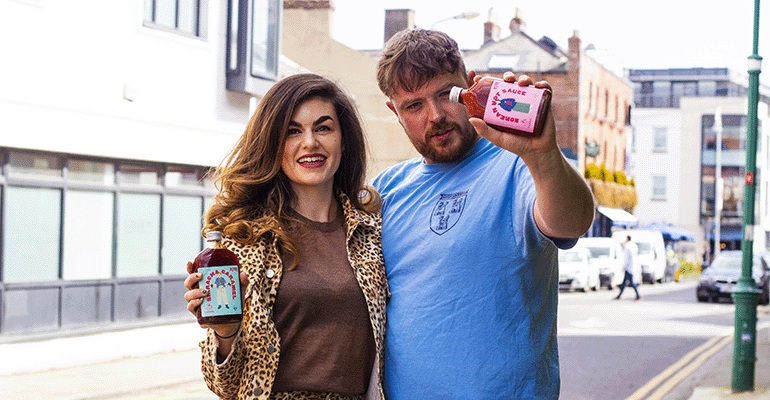
Chimac’s fusion sauces bring Korean flavours to Europe
25 Aug 2026
Irish sauce brand Chimac is tapping into Korea’s culinary traditions, bringing its flavours and products to European consumers who want a taste of K-food.
Read more
Global demand for instant noodles continues to rise
24 Aug 2026
Global demand for instant noodles reached 124.21 billion servings last year, representing a 0.7% year-on-year increase – or 900 million extra servings.
Read more