
Ingredients Categories
Finished Products
Finished Food Categories
- Bakery
- Beverages / Juices
- Cereal and grain products
- Confectionery
- Cooking Fats & Oils
- Dairy
- Egg products
- Fruits & Vegetables
- Infant & Baby food
- Meat, Poultry & Fish
- Nuts & Seeds products
- Other Finished Food Categories
- Pet Food
- Plant-based foods
- Prepared foods
- Sauces & Seasonings
- Sweet & Savoury Spreads
Specialised Finished Products
- Bee products
- Biotic products
- Dietary supplements
- Energy drinks
- Functional beverages
- Functional confectionery
- Functional food
- Functional powders
- Meal replacement products
- Nutricosmetics
- Other Specialised Finished Products
- Pet Dietary Supplements
- Pharma and OTC products
- Protein products
- Sugar replacers / Sweeteners
Health & Wellness Areas
Delivery Formats
Operations & Services
- 3D printing
- Analysis/ Testing
- Auditing & certifications
- Blending & mixing
- Bottling
- Certification
- Clinical trials
- Co-packing
- Coating
- Consulting
- Contract manufacturing
- Drying
- Electrospinning
- Encapsulating
- Enzymatic processing
- Extracting
- Extrusion
- Fat structuring
- Fermentation
- Filling
- Flavour development
- Freeze drying
- Granulating/ grinding/ milling / mixing
- High-pressure processing
- Labelling
- Other Operations & Services
- Packaging
- Packet filling
- Pasturising
- Quality assurance
- Saccharification
- Shear cell processing
- Spray drying
- Sterilisation
- Storage & Logistics
- Tabletting
- Toasting / roasting
- Ultra-high temperature processing
News
Callebaut reports ”solid” results
11 Apr 2016Barry Callebaut has reported its half year results. “We have achieved solid results despite very challenging market conditions,” said Antoine de Saint-Affrique, CEO of the Barry Callebaut Group. “Our volume growth shows a consistent, strong performance.

Barry Callebaut has reported its half year results.
“We have achieved solid results despite very challenging market conditions,” said Antoine de Saint-Affrique, CEO of the Barry Callebaut Group. “Our volume growth shows a consistent, strong performance. Our bottom-line reflects the predicted negative impact of the weak cocoa products market and a significant negative currency translation effect. Our focus on ‘smart growth’ is gaining traction. This is all very much in line with our expectations.”During the first half of fiscal year 2015/16 (ended February 29, 2016), the company increased its sales volume by 4.5% to 933,327 tonnes, significantly outperforming a slightly improving but still weak global chocolate confectionery market1. This volume growth was driven by the chocolate business across all regions. All key growth drivers contributed positively. In the Global Cocoa business, sales to third parties were intentionally reduced and less profitable contracts are being progressively phased out.Sales revenue grew by 11.7% in local currencies (5.6% in CHF) to CHF 3,424.3 million, driven by higher cocoa bean prices compared to last year and increased sales of higher value products.Gross profit increased by 4.7% in local currencies (-1.9% in CHF) to CHF 437.9 million, largely in line with volume growth as the negative impact from the combined cocoa ratio was compensated by a good development on margins and a better product mix in the group’s chocolate business due to the strategic focus on this area.Compared to the strong comparison base from last year, operating profit (EBIT) was almost flat at CHF 200.7 million (-0.3% in local currencies and -8.4% in CHF, due to a significant negative currency translation effect of CHF -17.9 million resulting mainly from the strength of the Swiss franc against the Euro and some emerging market currencies). As anticipated some restructuring costs related to the Cocoa Leadership project and additional investments in Sales and Marketing also had a negative effect.Net profit was down -12.5% in local currencies (-18.5% in CHF) to CHF 107.9 million, affected by higher financial expenses, income taxes, and foreign exchange effects.“As forecast, the year will remain challenging from a profitability point of view due to the current cocoa products market,” said de Saint-Affrique. “We will continue to focus on putting ‘smart growth’ into action and on transforming our cocoa business in order to restore its EBIT per tonne. We are pleased to see that our actions are beginning to bear fruit. We confirm our mid-term guidance.”<

Get more of our news on Google
Set Ingredients Network as a 'Preferred Source' to get quicker access to the news you value.
Related news

Cottage cheese alternative made from fermented apricot kernels
1 Oct 2026
Revo Foods ferments leftover apricot kernels from jam and juice products into a cottage cheese alternative that naturally contains both protein and fat.
Read more
Is creatine going mainstream in food and drink formulation?
24 Sep 2026
The functional ingredient creatine is gaining traction in the food and drink industry, as brands ramp up production investment and explore new applications.
Read more
New GRAS rules offer consumers confidence but companies are concerned
22 Sep 2026
Public health campaigners are celebrating the US government’s move to close the Generally Recognised as Safe (GRAS) loophole, but companies worry it will stifle innovation.
Read more
Is the FAO’s industrial aquaculture push harming ecosystems?
21 Sep 2026
The Food and Agriculture Organization (FAO) is promoting industrial aquaculture but campaigners say it creates toxic pollution and threatens food sovereignty.
Read more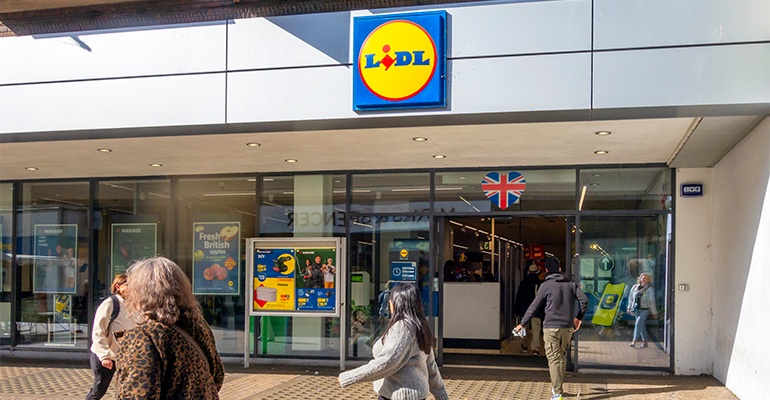
Lidl says Britain 'significantly off track' with healthy and sustainable eating
15 Sep 2026
Discounter retailer Lidl has raised concerns about healthy and sustainable eating habits across Britain, spotlighting how affordability remains a barrier for consumers.
Read more
Do the US dietary guidelines put UPFs under pressure?
10 Sep 2026
Will the US dietary guidelines change the way Americans eat, swapping ultra-processed foods for whole foods? We asked Dr Barry Popkin, renowned nutrition and obesity researcher.
Read more
Food fraud costs UK economy £2bn each year
9 Sep 2026
Food fraud is costing the UK economy up to £2 billion (€2.3 billion) every year although the food sector is more “resilient” than others, according to a recent study.
Read more
Kellogg accelerates work to remove artificial colours from all US cereals
3 Sep 2026
WK Kellogg has announced an accelerated timeline to eliminate all artificial colours and the chemical preservative, BHT, across its full US portfolio of cereals and cereal packaging.
Read more
Skimpflation: An ‘unfair’ and risky approach to keeping prices low
2 Sep 2026
Consumers see skimpflation – reducing the quality of ingredients due to rising costs – as more unfair than shrinkflation, making it a risky strategy according to recent research.
Read more
‘Urgent gaps’ in achieving 2030 food system goals
27 Aug 2026
Global food systems are failing to meet 2030 targets across indicators including health, environment, and resilience, according to a report co-authored by the Food and Agriculture Organisation (FAO).
Read more