
Ingredients Categories
Finished Products
Finished Food Categories
- Bakery
- Beverages / Juices
- Cereal and grain products
- Confectionery
- Cooking Fats & Oils
- Dairy
- Egg products
- Fruits & Vegetables
- Infant & Baby food
- Meat, Poultry & Fish
- Nuts & Seeds products
- Other Finished Food Categories
- Pet Food
- Plant-based foods
- Prepared foods
- Sauces & Seasonings
- Sweet & Savoury Spreads
Specialised Finished Products
- Bee products
- Biotic products
- Dietary supplements
- Energy drinks
- Functional beverages
- Functional confectionery
- Functional food
- Functional powders
- Meal replacement products
- Nutricosmetics
- Other Specialised Finished Products
- Pet Dietary Supplements
- Pharma and OTC products
- Protein products
- Sugar replacers / Sweeteners
Health & Wellness Areas
Delivery Formats
Operations & Services
- 3D printing
- Analysis/ Testing
- Auditing & certifications
- Blending & mixing
- Bottling
- Certification
- Clinical trials
- Co-packing
- Coating
- Consulting
- Contract manufacturing
- Drying
- Electrospinning
- Encapsulating
- Enzymatic processing
- Extracting
- Extrusion
- Fat structuring
- Fermentation
- Filling
- Flavour development
- Freeze drying
- Granulating/ grinding/ milling / mixing
- High-pressure processing
- Labelling
- Other Operations & Services
- Packaging
- Packet filling
- Pasturising
- Quality assurance
- Saccharification
- Shear cell processing
- Spray drying
- Sterilisation
- Storage & Logistics
- Tabletting
- Toasting / roasting
- Ultra-high temperature processing
News
Griddle Bakery makes pastries without preservatives
Natasha Spencer-Jolliffe, Freelance Journalist 12 Feb 2026UK brand Griddle Bakery makes frozen, clean-label pastries without UPF ingredients. “Frozen often means fresher, cleaner, and less wasteful,” it says.
The frozen food aisle is particularly popular with conscious consumers wanting baked products that satisfy their need for convenience, health and taste – without ultra-processed food (UPF) ingredients, according to UK manufacturer Griddle Bakery.
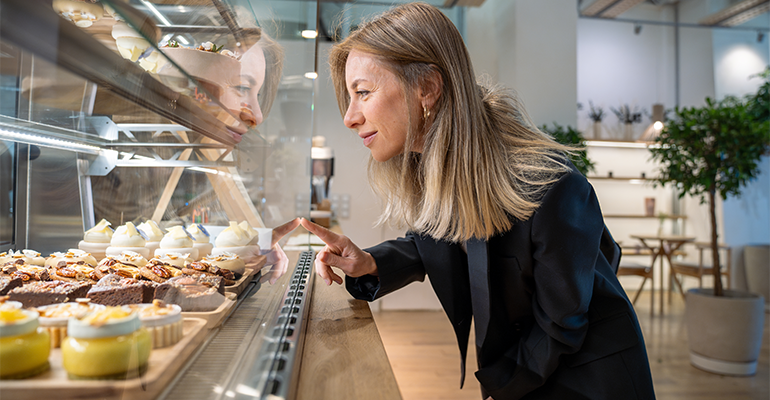
“We’re seeing a big shift toward freezer-first thinking, recognising that frozen often means fresher, cleaner, and less wasteful,” said Ella Harland, co-founder of Griddle Bakery, a small UK manufacturer that produces clean-label, frozen baked goods.
Frozen and fibre-packed; clean label and convenient
UK-based Griddle Bakery was born out of the frustration of having to choose between health and accessibility down the baked goods aisle.
Co-founders Ella and Sophie decided on the frozen aisle after struggling to find options with the taste and nutritional benefits of home cooking. The duo launched their brand in 2016 after asking: ‘Why did health come at the cost of convenience and taste?’
“Sophie and I are both keen cooks and also very into our sport, so we really care about fuelling ourselves well,” said Harland. But with busy, on-the-go lives, the co-founders and flatmates found it difficult to make the time to cook from scratch all of the time.
The Griddle Bakery founders wanted to create a range of bakery products that were as high-quality and healthy as homemade, just without the hassle. “We found that supermarket bakery offerings in the ambient aisles were completely outdated and not suited to the modern consumer – full of long ingredient lists, artificial preservatives, additives, emulsifiers, and high in sugar,” said Harland.
Focusing on the frozen aisle enables Griddle Bakery to create recipes that they would at home, locking in peak freshness without chemical preservatives.
Formulating frozen baked goods for the 2026 shopper
Transparency from food manufacturers is a core consumer expectation.
“In 2026, people expect more honesty and fewer trade-offs,” said Harland.
With the ultra-processed food (UPFs) debate particularly prominent, Griddle Bakery has found that consumers are looking for recognisable ingredient lists containing whole foods, not artificial preservatives, emulsifiers, or additives. Shoppers are also looking for flexibility and versatility. Products need to work for the whole family, whether for breakfast, snacks, post-workout, or after school.
When consumers go to Griddle Bakery for clean-label products, they typically want to know about their formulations’ authenticity. “Our customers want food that makes better choices feel doable,” said Harland.
Their top questions often revolve around asking, ‘What’s really in this?’, ‘Will my family actually eat it?’ and ‘Is it quick and convenient?’.
“People want to know that it’s made with real ingredients, that it tastes genuinely good, and that it fits around chaotic schedules,” Harland added.
Researching, developing and producing frozen baked goods that fit into the clean and convenient category pose key obstacles, particularly as the niche segment is relatively new.
“The biggest challenge is doing clean-label properly at scale,” said Harland.
Fostering frozen baked opportunities in 2026
Kicking off 2026, in January, Griddle Bakery launched its Brioche French Toast.
Looking ahead to the rest of the year, the frozen bakery business has multiple retailer listings lined up, indicating the desire for products that blend health, convenience and taste. Griddle Bakery will also continue to expand its clean-label range, extending from its core waffle range into the wider frozen bakery category.
“Ultimately, we’ll continue to focus on building a new standard for bakery and bringing more customers into the frozen bakery category,” Harland added.

Get more of our news on Google
Set Ingredients Network as a 'Preferred Source' to get quicker access to the news you value.
Related news

Do the US dietary guidelines put UPFs under pressure?
10 Sep 2026
Will the US dietary guidelines change the way Americans eat, swapping ultra-processed foods for whole foods? We asked Dr Barry Popkin, renowned nutrition and obesity researcher.
Read more
Food fraud costs UK economy £2bn each year
9 Sep 2026
Food fraud is costing the UK economy up to £2 billion (€2.3 billion) every year although the food sector is more “resilient” than others, according to a recent study.
Read more
Kellogg accelerates work to remove artificial colours from all US cereals
3 Sep 2026
WK Kellogg has announced an accelerated timeline to eliminate all artificial colours and the chemical preservative, BHT, across its full US portfolio of cereals and cereal packaging.
Read more
Skimpflation: An ‘unfair’ and risky approach to keeping prices low
2 Sep 2026
Consumers see skimpflation – reducing the quality of ingredients due to rising costs – as more unfair than shrinkflation, making it a risky strategy according to recent research.
Read more
NielsenIQ’s EU barometer shows Britain leading in grocery inflation
31 Aug 2026
Britain was the only country to record grocery inflation above 2%, according to NielsenIQ data that compared Europe’s five biggest grocery markets from February to May 2026.
Read more
‘Urgent gaps’ in achieving 2030 food system goals
27 Aug 2026
Global food systems are failing to meet 2030 targets across indicators including health, environment, and resilience, according to a report co-authored by the Food and Agriculture Organisation (FAO).
Read more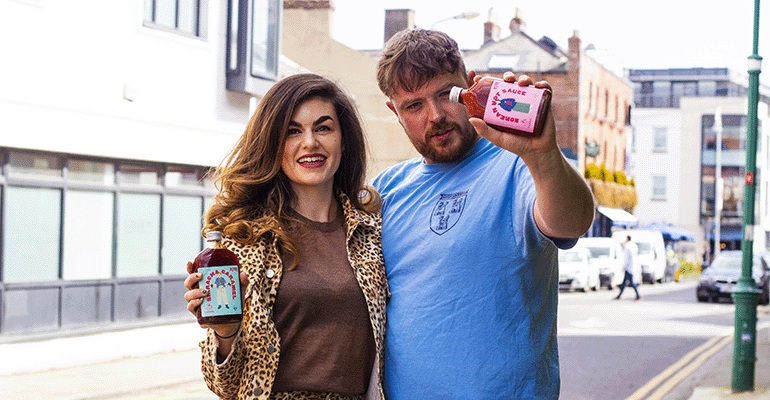
Chimac’s fusion sauces bring Korean flavours to Europe
25 Aug 2026
Irish sauce brand Chimac is tapping into Korea’s culinary traditions, bringing its flavours and products to European consumers who want a taste of K-food.
Read more
Global demand for instant noodles continues to rise
24 Aug 2026
Global demand for instant noodles reached 124.21 billion servings last year, representing a 0.7% year-on-year increase – or 900 million extra servings.
Read more
Popular barbecue staples experience sharp price increases
19 Aug 2026
The typical cost of US shoppers’ barbecue baskets has risen by 12% over the past year – the fastest annual rise in a decade, figures from The Economist show.
Read more
Hot NPD: Nissin launches first cold-water Cup Noodles
18 Aug 2026
Nissin is taking one of Japan’s most iconic instant meals in a completely new direction with the launch of the first cold water-only Cup Noodles in the brand’s 55-year history.
Read more