
Ingredients Categories
Finished Products
Finished Food Categories
- Bakery
- Beverages / Juices
- Cereal and grain products
- Confectionery
- Cooking Fats & Oils
- Dairy
- Egg products
- Fruits & Vegetables
- Infant & Baby food
- Meat, Poultry & Fish
- Nuts & Seeds products
- Other Finished Food Categories
- Pet Food
- Plant-based foods
- Prepared foods
- Sauces & Seasonings
- Sweet & Savoury Spreads
Specialised Finished Products
- Bee products
- Biotic products
- Dietary supplements
- Energy drinks
- Functional beverages
- Functional confectionery
- Functional food
- Functional powders
- Meal replacement products
- Nutricosmetics
- Other Specialised Finished Products
- Pet Dietary Supplements
- Pharma and OTC products
- Protein products
- Sugar replacers / Sweeteners
Health & Wellness Areas
Delivery Formats
Operations & Services
- 3D printing
- Analysis/ Testing
- Auditing & certifications
- Blending & mixing
- Bottling
- Certification
- Clinical trials
- Co-packing
- Coating
- Consulting
- Contract manufacturing
- Drying
- Electrospinning
- Encapsulating
- Enzymatic processing
- Extracting
- Extrusion
- Fat structuring
- Fermentation
- Filling
- Flavour development
- Freeze drying
- Granulating/ grinding/ milling / mixing
- High-pressure processing
- Labelling
- Other Operations & Services
- Packaging
- Packet filling
- Pasturising
- Quality assurance
- Saccharification
- Shear cell processing
- Spray drying
- Sterilisation
- Storage & Logistics
- Tabletting
- Toasting / roasting
- Ultra-high temperature processing
News
Catered foodservice meals in the UK to have 20% less meat
24 Apr 2020Public sector caterers serving schools, universities, hospitals and care homes have pledged to reduce the amount of meat served on their menus by 20%. There is simultaneously a focus on reducing overall red meat offerings.
In response to a study earlier this year from the UK’s official climate change advisors that recommend people cut their consumption of beef, lamb and dairy products they eat by a fifth to combat climate change, caterers have committed to doing just that. This voluntary effort was spurred by public sector catering group PSC100 with the launch of the #20percentlessmeat campaign in the April issue of the trade magazine Public Sector Catering.

A reduction of meat consumption at this scale will remove 9m kg of meat from plates and 200,000 metric tonnes of carbon (the equivalent of 400,000 cars) from the atmosphere every year. For farmers, it means a reduction in demand for animal protein - 45,000 cows or 16 million chickens to be exact.
Farmers expressed fury at this initiative. The Daily Mail reported that British farmers were aghast at the commitment from the public sector, and Richard Findlay, Livestock Board Chairman of the National Farmers Union, stated the effort to reduce meat consumption and improve the environment was 'wholly inaccurate' and 'frankly ridiculous.'
However, multiple studies have shown that reducing the consumption of animal protein will have beneficial effects on the environment. Research from IDTechEX, the EAT-Lancet Commission, GRAIN, and the Institute for Agriculture and Trade Policy, among others, have repeatedly shown that greenhouse gasses and animal husbandry are linked and are having a detrimental effect on the environment.
Although launched as an independent effort, the Hospital Caterers Association (HCA), The National Association of Care Catering (NACC), the Local Authority Caterers Association (LACA) and the university caterers association TUCO have all joined the push to reduce meat consumption in the meals they provide. The movement has also gained external support from groups, including ProVeg International which aims to reduce the global consumption of animals by 50% by 2040.
As a quarter of the UK population consumes meals prepared by institutional caterers, such a large reduction will undoubtedly have an influence on the country’s eating habits.

Get more of our news on Google
Set Ingredients Network as a 'Preferred Source' to get quicker access to the news you value.
Related news

Is creatine going mainstream in food and drink formulation?
24 Sep 2026
The functional ingredient creatine is gaining traction in the food and drink industry, as brands ramp up production investment and explore new applications.
Read more
New GRAS rules offer consumers confidence but companies are concerned
22 Sep 2026
Public health campaigners are celebrating the US government’s move to close the Generally Recognised as Safe (GRAS) loophole, but companies worry it will stifle innovation.
Read more
Kremlin takes control of Nestlé Russia’s assets
18 Sep 2026
Nestlé says it is committed to “taking all necessary steps to protect its rights” after Russian authorities take temporary control of its operations in the country.
Read more
Immunity, wellness, and nutrition: Nutraceutical promise in the Middle East and Africa
17 Sep 2026
Nutraceuticals continue to gain ground across the Middle East and Africa with vitamins, probiotics, and functional drinks doing particularly well, says Euromonitor.
Read more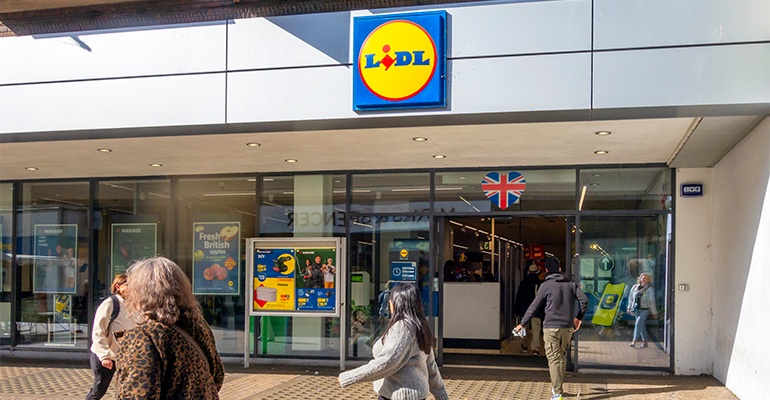
Lidl says Britain 'significantly off track' with healthy and sustainable eating
15 Sep 2026
Discounter retailer Lidl has raised concerns about healthy and sustainable eating habits across Britain, spotlighting how affordability remains a barrier for consumers.
Read more
Do the US dietary guidelines put UPFs under pressure?
10 Sep 2026
Will the US dietary guidelines change the way Americans eat, swapping ultra-processed foods for whole foods? We asked Dr Barry Popkin, renowned nutrition and obesity researcher.
Read more
Food fraud costs UK economy £2bn each year
9 Sep 2026
Food fraud is costing the UK economy up to £2 billion (€2.3 billion) every year although the food sector is more “resilient” than others, according to a recent study.
Read more
Kellogg accelerates work to remove artificial colours from all US cereals
3 Sep 2026
WK Kellogg has announced an accelerated timeline to eliminate all artificial colours and the chemical preservative, BHT, across its full US portfolio of cereals and cereal packaging.
Read more
Skimpflation: An ‘unfair’ and risky approach to keeping prices low
2 Sep 2026
Consumers see skimpflation – reducing the quality of ingredients due to rising costs – as more unfair than shrinkflation, making it a risky strategy according to recent research.
Read more
‘Urgent gaps’ in achieving 2030 food system goals
27 Aug 2026
Global food systems are failing to meet 2030 targets across indicators including health, environment, and resilience, according to a report co-authored by the Food and Agriculture Organisation (FAO).
Read more