
Ingredients Categories
Finished Products
Finished Food Categories
- Bakery
- Beverages / Juices
- Cereal and grain products
- Confectionery
- Cooking Fats & Oils
- Dairy
- Egg products
- Fruits & Vegetables
- Infant & Baby food
- Meat, Poultry & Fish
- Nuts & Seeds products
- Other Finished Food Categories
- Pet Food
- Plant-based foods
- Prepared foods
- Sauces & Seasonings
- Sweet & Savoury Spreads
Specialised Finished Products
- Bee products
- Biotic products
- Dietary supplements
- Energy drinks
- Functional beverages
- Functional confectionery
- Functional food
- Functional powders
- Meal replacement products
- Nutricosmetics
- Other Specialised Finished Products
- Pet Dietary Supplements
- Pharma and OTC products
- Protein products
- Sugar replacers / Sweeteners
Health & Wellness Areas
Delivery Formats
Operations & Services
- 3D printing
- Analysis/ Testing
- Auditing & certifications
- Blending & mixing
- Bottling
- Certification
- Clinical trials
- Co-packing
- Coating
- Consulting
- Contract manufacturing
- Drying
- Electrospinning
- Encapsulating
- Enzymatic processing
- Extracting
- Extrusion
- Fat structuring
- Fermentation
- Filling
- Flavour development
- Freeze drying
- Granulating/ grinding/ milling / mixing
- High-pressure processing
- Labelling
- Other Operations & Services
- Packaging
- Packet filling
- Pasturising
- Quality assurance
- Saccharification
- Shear cell processing
- Spray drying
- Sterilisation
- Storage & Logistics
- Tabletting
- Toasting / roasting
- Ultra-high temperature processing
News
Cell-cultured dairy company maker TurtleTree closes $30M in Series A
Katja Knox, Editorial Account Manager 8 Nov 2021Singapore’s TurtleTree successfully closed a $30 million Series A funding round led by Verso Capital. This investment is one of the largest rounds to date in Asia’s cell-based food sector and brings TurtleTree’s total investment figure to $40 million.
Armed with fresh funding, the cell-cultured dairy company said it will work to scale up its research and production capabilities, which includes investments in technology development and talent acquisition in order to increase the commercial production of its functional ingredients derived from cultured milk.
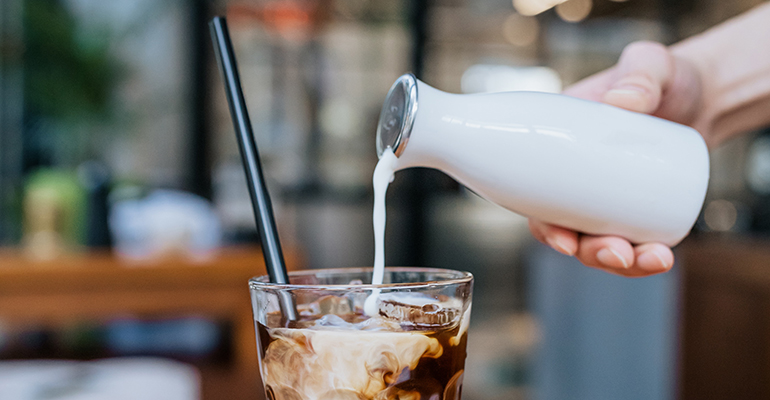
A large portion of this Asian startup’s R&D will take place in California. In September, TurtleTree launch an R&D facility in Sacramento, and its Chief Strategy Officer Max Rye said this location will become the nexus for developing the functional ingredients and proteins found in milk.
“We can now set our sights on turning ambitions to reality, starting with our U.S.-based expansion plans and then moving on to the development and manufacture of our first consumer-ready products," Rye said.
Founded in 2019, this startup is already planning to launch its first commercial product: lactoferrin, a nutrient that is naturally occurring in both human and cow milk that is renowned for its immunity-supporting capabilities. No date was associated with the announcement of this launch, but the company did specify that its lactoferrin would be created in a cell-based process to mimic the expression of this nutrient as found in human milk.
Originally, TurtleTree was founded to replicate human milk in a laboratory setting. Such a lofty mission, if successful, has the potential to revolutionize infant nutrition as well as grant access to a range of complex nutrients that could be used as a value-add for adult drinks and beverages to help fight inflammation and improve gut health, according to a statement from the company this summer.
However, this summer, TurtleTree announced that it was expanding its portfolio beyond human milk to incorporate functional aimal dairy products into its cell-cultured R&D efforts. This functional food arm will exist in parallel to its infant nutrition arm. Initially, the company is working with bovine milk.
Animal-free dairy is a segment that is gaining steam, and so investing in scaling capabilities has the potential to keep TurtleTree at the head of the pack. However, there are several other competitors in the infant nutrition segment, including Biomilq and Helaina that are looking to cell-cultured dairy to disrupt the category. Outside of infant nutrition, the Singaporean startup faces even stiffer competition from innovators like Perfect Day that are striving to discover methods to create milk without the animal.
Nevertheless, TurtleTree is attracting the attention of large investors like Verso Captial, an investment firm that was involved in providing funding to food-tech titans Impossible Foods and Eat Just. And Verso expressed its confidence that TurtleTree is on a similar growth path.
“We are confident in TurtleTree's potential as a cell-based technology platform that will transform the food industry,” said the investment firm’s managing partner Julien Machot. Not only that, but along with finances, “VERSO Capital will share its wealth of knowledge in corporate finance and operations to help the company validate its unit economics and the overall business plan with its very first key accounts."

Get more of our news on Google
Set Ingredients Network as a 'Preferred Source' to get quicker access to the news you value.
Related news

Do the US dietary guidelines put UPFs under pressure?
10 Sep 2026
Will the US dietary guidelines change the way Americans eat, swapping ultra-processed foods for whole foods? We asked Dr Barry Popkin, renowned nutrition and obesity researcher.
Read more
Food fraud costs UK economy £2bn each year
9 Sep 2026
Food fraud is costing the UK economy up to £2 billion (€2.3 billion) every year although the food sector is more “resilient” than others, according to a recent study.
Read more
Kellogg accelerates work to remove artificial colours from all US cereals
3 Sep 2026
WK Kellogg has announced an accelerated timeline to eliminate all artificial colours and the chemical preservative, BHT, across its full US portfolio of cereals and cereal packaging.
Read more
Skimpflation: An ‘unfair’ and risky approach to keeping prices low
2 Sep 2026
Consumers see skimpflation – reducing the quality of ingredients due to rising costs – as more unfair than shrinkflation, making it a risky strategy according to recent research.
Read more
‘Urgent gaps’ in achieving 2030 food system goals
27 Aug 2026
Global food systems are failing to meet 2030 targets across indicators including health, environment, and resilience, according to a report co-authored by the Food and Agriculture Organisation (FAO).
Read more
Popular barbecue staples experience sharp price increases
19 Aug 2026
The typical cost of US shoppers’ barbecue baskets has risen by 12% over the past year – the fastest annual rise in a decade, figures from The Economist show.
Read more
Savoury protein snacks shake up the on-the-go market
10 Aug 2026
Sweet flavours have dominated the high-protein snack category but savoury snacks, such as cheese bars and meat sticks, can appeal to health-conscious consumers.
Read more
Digital twin technology gains ground in food manufacturing
6 Aug 2026
Food and beverage companies are increasingly turning to digital twins to optimise and automate manufacturing processes, but opportunities stretch far beyond this, say experts.
Read more
Nestlé invests in regeneratively farmed wheat for KitKat
5 Aug 2026
Nestlé will pay a premium for Wildfarmed’s regeneratively farmed wheat but the CPG remains reticent to promote the move on packs of its KitKat bars.
Read more
Codex sets global thresholds for ‘may contain’ labels
3 Aug 2026
Codex Alimentarius has adopted its first global guidance on when to use “may contain” allergen warnings, setting thresholds intended to stop the label being used as blanket legal cover.
Read more