
Ingredients Categories
Finished Products
Finished Food Categories
- Bakery
- Beverages / Juices
- Cereal and grain products
- Confectionery
- Cooking Fats & Oils
- Dairy
- Egg products
- Fruits & Vegetables
- Infant & Baby food
- Meat, Poultry & Fish
- Nuts & Seeds products
- Other Finished Food Categories
- Pet Food
- Plant-based foods
- Prepared foods
- Sauces & Seasonings
- Sweet & Savoury Spreads
Specialised Finished Products
- Bee products
- Biotic products
- Dietary supplements
- Energy drinks
- Functional beverages
- Functional confectionery
- Functional food
- Functional powders
- Meal replacement products
- Nutricosmetics
- Other Specialised Finished Products
- Pet Dietary Supplements
- Pharma and OTC products
- Protein products
- Sugar replacers / Sweeteners
Health & Wellness Areas
Delivery Formats
Operations & Services
- 3D printing
- Analysis/ Testing
- Auditing & certifications
- Blending & mixing
- Bottling
- Certification
- Clinical trials
- Co-packing
- Coating
- Consulting
- Contract manufacturing
- Drying
- Electrospinning
- Encapsulating
- Enzymatic processing
- Extracting
- Extrusion
- Fat structuring
- Fermentation
- Filling
- Flavour development
- Freeze drying
- Granulating/ grinding/ milling / mixing
- High-pressure processing
- Labelling
- Other Operations & Services
- Packaging
- Packet filling
- Pasturising
- Quality assurance
- Saccharification
- Shear cell processing
- Spray drying
- Sterilisation
- Storage & Logistics
- Tabletting
- Toasting / roasting
- Ultra-high temperature processing
News
Cottage cheese makes a comeback as consumers call for cleaner labels
Tessa Wiles, Content Editor - Food 6 Nov 2025From ice cream to dips and ready meals, cottage cheese is experiencing a renaissance as a high-protein, clean ingredient for health-conscious consumers.
Cottage cheese was once synonymous with the 1970s, when the cheese curd product was a staple food for dieters and bodybuilders alike.
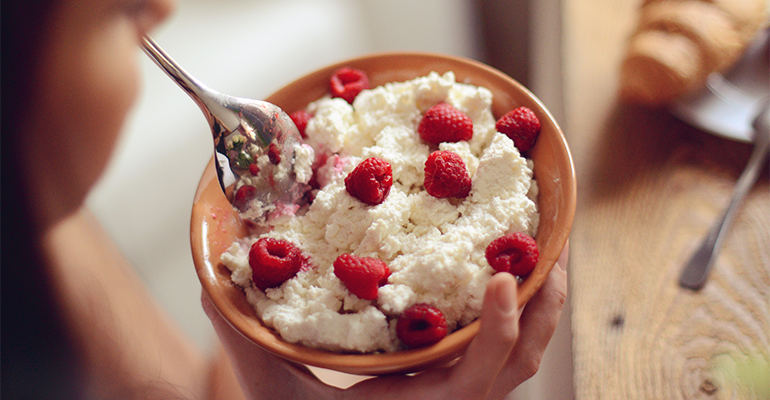
Now, trending TikTok recipes like high-protein pancakes, dips, and even pizza crusts and bagels, alongside growing consumer demand for cleaner labels and whole food protein sources, are putting cottage cheese back in the spotlight.
This renewed interest is reflected in data from food intelligence company Tastewise, which reported a 9.2% global increase in cottage cheese sales in 2024, alongside a 47.9% year-over-year rise in social media conversations about the product.
One example of this online popularity is a TikTok recipe for breakfast rounds posted in September which, as of October, had amassed over 12.5 million views, nearly 400,000 likes, and 300,000 bookmarks.
In this article, Ingredients Network explores how brands are incorporating cottage cheese into finished products, looking at trending formats and where opportunities may lie.
Protein-packed cottage cheese desserts
Smearcase FroCo, founded in 2023, is a New York-based brand offering a frozen dessert that blends cottage cheese, milk, cane sugar, and collagen into a pint. Smearcase currently features three flavours – peanut butter, mocha joe, and vanilla bean – and delivers between 39-44 grams of protein per pint.
Refrigerated cottage cheese protein bars are also making their mark. Lidl Poland, under its private label brand Pilos High Protein, offers curd bars in cappuccino and strawberry flavours. Each 40g bar contains 67% cottage cheese and provides 8g of protein.
Similarly, in July, Hungarian brand Mizo Prote!n launched a cocoa-coated curd bar with 35% cottage cheese, zero added sugar, and 8.2g of protein per 51g bar.
In Poland, Steiner's Lower Carb debuted its gluten-free protein cheesecake with a NutriScore of A in August. The brand claims the dessert contains no added sugar, 77% fewer carbs, and 88% less sugar than traditional cheesecakes.
Cottage cheese fuels healthier ready meals and snacks
Busy lifestyles and demand for healthier, convenient options are fuelling growth in the ready meals category. Nine in ten global consumers reported eating a ready meal recently, according to Mintel data from March 2024.
For those seeking high-quality ingredients and protein-rich choices, cottage cheese-packed ready meals are emerging as a popular option.
US-based brand Coun+er introduced a line of high-protein ready meals in July, featuring dishes like three-cheese chicken alfredo and taco mac and cheese. Both meals incorporate cottage cheese into their formulations, delivering 30-31g of protein and 350-370 calories per serving. Meanwhile, in Denmark, the brand The Food Court launched a leek and bacon quiche pie with cream fraiche and cottage cheese.
In October, Cotto, a cottage cheese dip startup, launched in the US. The brand introduced two cottage-cheese based dips – French onion and Garden Ranch – each providing 25g of protein and containing between 220 and 240 calories per 250g tub.
Cottage cheese brands championing clean and quality ingredients
Some cottage cheese brands are staying true to the basics, focusing on clean, high-quality ingredients to deliver freshness and authenticity.
Good Culture, founded in 2014, introduced its first cottage cheese product to the US market in 2015. A decade later, the brand remains committed to clean-label formulations, using a base of five ingredients: skim and whole milk, cream, sea salt, and live active cultures.
Good Culture now offers a diverse range of cottage cheese options, including 2%, 4%, and 6% milk fat varieties, lactose-free options, and flavoured selections like strawberry chia, pineapple, and pumpkin spice.
Alterego, which launched in Sainsbury’s across the UK in September, prides itself on being “confusingly good cottage cheese”. Made with four ingredients – 100% British milk and cream from grass-fed cows, live cultures, and sea salt – it contains no additives and has a shelf life of just two days.

Get more of our news on Google
Set Ingredients Network as a 'Preferred Source' to get quicker access to the news you value.
Related news

Do the US dietary guidelines put UPFs under pressure?
10 Sep 2026
Will the US dietary guidelines change the way Americans eat, swapping ultra-processed foods for whole foods? We asked Dr Barry Popkin, renowned nutrition and obesity researcher.
Read more
Food fraud costs UK economy £2bn each year
9 Sep 2026
Food fraud is costing the UK economy up to £2 billion (€2.3 billion) every year although the food sector is more “resilient” than others, according to a recent study.
Read more
Kellogg accelerates work to remove artificial colours from all US cereals
3 Sep 2026
WK Kellogg has announced an accelerated timeline to eliminate all artificial colours and the chemical preservative, BHT, across its full US portfolio of cereals and cereal packaging.
Read more
Skimpflation: An ‘unfair’ and risky approach to keeping prices low
2 Sep 2026
Consumers see skimpflation – reducing the quality of ingredients due to rising costs – as more unfair than shrinkflation, making it a risky strategy according to recent research.
Read more
NielsenIQ’s EU barometer shows Britain leading in grocery inflation
31 Aug 2026
Britain was the only country to record grocery inflation above 2%, according to NielsenIQ data that compared Europe’s five biggest grocery markets from February to May 2026.
Read more
‘Urgent gaps’ in achieving 2030 food system goals
27 Aug 2026
Global food systems are failing to meet 2030 targets across indicators including health, environment, and resilience, according to a report co-authored by the Food and Agriculture Organisation (FAO).
Read more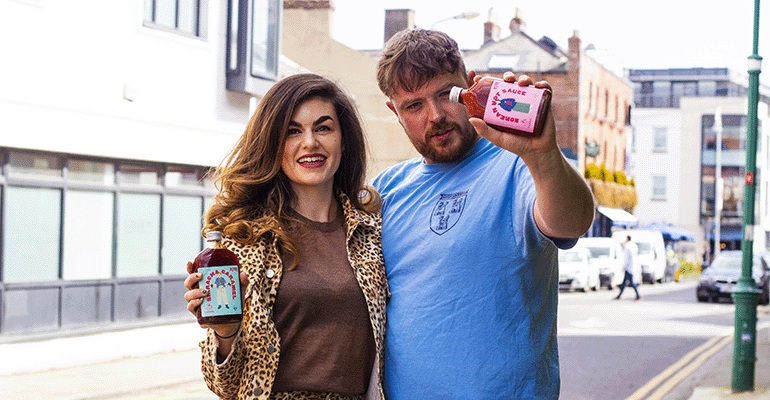
Chimac’s fusion sauces bring Korean flavours to Europe
25 Aug 2026
Irish sauce brand Chimac is tapping into Korea’s culinary traditions, bringing its flavours and products to European consumers who want a taste of K-food.
Read more
Global demand for instant noodles continues to rise
24 Aug 2026
Global demand for instant noodles reached 124.21 billion servings last year, representing a 0.7% year-on-year increase – or 900 million extra servings.
Read more
Popular barbecue staples experience sharp price increases
19 Aug 2026
The typical cost of US shoppers’ barbecue baskets has risen by 12% over the past year – the fastest annual rise in a decade, figures from The Economist show.
Read more
Hot NPD: Nissin launches first cold-water Cup Noodles
18 Aug 2026
Nissin is taking one of Japan’s most iconic instant meals in a completely new direction with the launch of the first cold water-only Cup Noodles in the brand’s 55-year history.
Read more