
Ingredients Categories
Finished Products
Finished Food Categories
- Bakery
- Beverages / Juices
- Cereal and grain products
- Confectionery
- Cooking Fats & Oils
- Dairy
- Egg products
- Fruits & Vegetables
- Infant & Baby food
- Meat, Poultry & Fish
- Nuts & Seeds products
- Other Finished Food Categories
- Pet Food
- Plant-based foods
- Prepared foods
- Sauces & Seasonings
- Sweet & Savoury Spreads
Specialised Finished Products
- Bee products
- Biotic products
- Dietary supplements
- Energy drinks
- Functional beverages
- Functional confectionery
- Functional food
- Functional powders
- Meal replacement products
- Nutricosmetics
- Other Specialised Finished Products
- Pet Dietary Supplements
- Pharma and OTC products
- Protein products
- Sugar replacers / Sweeteners
Health & Wellness Areas
Delivery Formats
Operations & Services
- 3D printing
- Analysis/ Testing
- Auditing & certifications
- Blending & mixing
- Bottling
- Certification
- Clinical trials
- Co-packing
- Coating
- Consulting
- Contract manufacturing
- Drying
- Electrospinning
- Encapsulating
- Enzymatic processing
- Extracting
- Extrusion
- Fat structuring
- Fermentation
- Filling
- Flavour development
- Freeze drying
- Granulating/ grinding/ milling / mixing
- High-pressure processing
- Labelling
- Other Operations & Services
- Packaging
- Packet filling
- Pasturising
- Quality assurance
- Saccharification
- Shear cell processing
- Spray drying
- Sterilisation
- Storage & Logistics
- Tabletting
- Toasting / roasting
- Ultra-high temperature processing
News
Chobani quietly files for IPO with expected $10B valuation
Katja Knox, Editorial Account Manager 4 Aug 2021In early July, Greek yogurt producer Chobani quietly and confidentially filed for an IPO with an anticipated valuation of more than $10 billion, Reuters reported. The company has not yet determined the number of shares it will sell nor the price range for those shares when the company’s public offering goes live.
Chobani said that it will commence its public offering following the review of the SEC process. However, it did not reveal any other details about the public offering of its stock in a press release on the subject.

The Greek yogurt titan has been expanding rapidly in recent years prompting speculation that it would seek to go public. In February, the Wall Street Journal reported the first official whispers of this move, and, at the time, the publication pegged the company’s valuation at around $7 billion. However, this prediction was $3 billion short of the current figure, which accounts for the company’s continued dominance in the yogurt segment as well as its more recent diversification into other product categories such as ready-to-drink coffee and plant-based dairy offerings.
Unrelenting development and enlargement of its portfolio has led to Chobani raking in more than $1.5 billion in annual revenue, according to Bloomberg. However, a public offering would give the company access to even more capital and allow it to supercharge its efforts to innovate and grow its portfolio – the likely application for the funds raised by its IPO.
While it is unknown how much capital Chobani will raise for its public offering, what is known is the company’s determination to expand outside of yogurt. Last year, Peter McGuinness, president of Chobani told Food Dive that the New York-based enterprise plans to go beyond yogurt to boost its growth.
Nevertheless, yogurt will not be left behind. While plant-based alternatives have been a focus for the company over the last several quarters, in June, Chobani released a Greek yogurt without sugar in a bid to tap further into the better-for-you market that it has courted for years.
This IPO filing is the next stage of growth for Chobani, which rejected a bid in 2016 from beverage giant PepsiCo Inc to take a majority stake. At the time, the company said it wished to remain independent. However, going public will mean that Chobani is now beholden to stakeholders and a board that will help drive its growth in the future.
But by relinquishing some control, the yogurt maker will gain deeper pockets, a strategy that has proven successful for its peers such as Oatly. Oatly went public in May after raising $1.4 billion. Other food and beverage companies have also taken the plunge and gone public as the space becomes a hotbed for investors looking to diversify funds and take a bite out of the growing popularity for alternative and better-for-you food products.

Get more of our news on Google
Set Ingredients Network as a 'Preferred Source' to get quicker access to the news you value.
Related news

M&S launches own-brand pet food range
11 Sep 2026
UK retailer Marks & Spencer has launched its own-brand pet food line Paws & Pals – a well-timed and strategic move that will appeal to loyal shoppers, says a marketing expert.
Read more
Do the US dietary guidelines put UPFs under pressure?
10 Sep 2026
Will the US dietary guidelines change the way Americans eat, swapping ultra-processed foods for whole foods? We asked Dr Barry Popkin, renowned nutrition and obesity researcher.
Read more
Food fraud costs UK economy £2bn each year
9 Sep 2026
Food fraud is costing the UK economy up to £2 billion (€2.3 billion) every year although the food sector is more “resilient” than others, according to a recent study.
Read more
Kellogg accelerates work to remove artificial colours from all US cereals
3 Sep 2026
WK Kellogg has announced an accelerated timeline to eliminate all artificial colours and the chemical preservative, BHT, across its full US portfolio of cereals and cereal packaging.
Read more
‘Urgent gaps’ in achieving 2030 food system goals
27 Aug 2026
Global food systems are failing to meet 2030 targets across indicators including health, environment, and resilience, according to a report co-authored by the Food and Agriculture Organisation (FAO).
Read more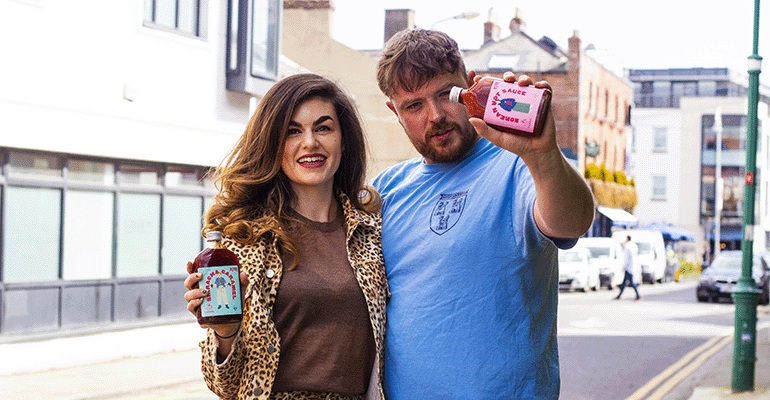
Chimac’s fusion sauces bring Korean flavours to Europe
25 Aug 2026
Irish sauce brand Chimac is tapping into Korea’s culinary traditions, bringing its flavours and products to European consumers who want a taste of K-food.
Read more
Savoury protein snacks shake up the on-the-go market
10 Aug 2026
Sweet flavours have dominated the high-protein snack category but savoury snacks, such as cheese bars and meat sticks, can appeal to health-conscious consumers.
Read more
Nestlé invests in regeneratively farmed wheat for KitKat
5 Aug 2026
Nestlé will pay a premium for Wildfarmed’s regeneratively farmed wheat but the CPG remains reticent to promote the move on packs of its KitKat bars.
Read more
How Secon Taste is putting upcycled snacks on shelves
4 Aug 2026
Hungarian zero-waste startup Secon Taste is turning surplus food into upcycled snacks such as fibre-packed granola, instant porridge, and a circular coffee-tasting box.
Read more
Codex sets global thresholds for ‘may contain’ labels
3 Aug 2026
Codex Alimentarius has adopted its first global guidance on when to use “may contain” allergen warnings, setting thresholds intended to stop the label being used as blanket legal cover.
Read more