
Ingredients Categories
Finished Products
Finished Food Categories
- Bakery
- Beverages / Juices
- Cereal and grain products
- Confectionery
- Cooking Fats & Oils
- Dairy
- Egg products
- Fruits & Vegetables
- Infant & Baby food
- Meat, Poultry & Fish
- Nuts & Seeds products
- Other Finished Food Categories
- Pet Food
- Plant-based foods
- Prepared foods
- Sauces & Seasonings
- Sweet & Savoury Spreads
Specialised Finished Products
- Bee products
- Biotic products
- Dietary supplements
- Energy drinks
- Functional beverages
- Functional confectionery
- Functional food
- Functional powders
- Meal replacement products
- Nutricosmetics
- Other Specialised Finished Products
- Pet Dietary Supplements
- Pharma and OTC products
- Protein products
- Sugar replacers / Sweeteners
Health & Wellness Areas
Delivery Formats
Operations & Services
- 3D printing
- Analysis/ Testing
- Auditing & certifications
- Blending & mixing
- Bottling
- Certification
- Clinical trials
- Co-packing
- Coating
- Consulting
- Contract manufacturing
- Drying
- Electrospinning
- Encapsulating
- Enzymatic processing
- Extracting
- Extrusion
- Fat structuring
- Fermentation
- Filling
- Flavour development
- Freeze drying
- Granulating/ grinding/ milling / mixing
- High-pressure processing
- Labelling
- Other Operations & Services
- Packaging
- Packet filling
- Pasturising
- Quality assurance
- Saccharification
- Shear cell processing
- Spray drying
- Sterilisation
- Storage & Logistics
- Tabletting
- Toasting / roasting
- Ultra-high temperature processing
News
Chobani Sales surge as it moves closer to IPO
Katja Knox, Editorial Account Manager 26 Nov 2021Greek yogurt company Chobani saw its sales hit $1.2 billion as of Sept. 25 this year. That is only $200 million short of what the company recorded for all of 2020, when its sales rose 5.2% to $1.4 billion last year, according to a filing with the Securities and Exchange Commission. In the same time frame, the yogurt company’s losses fell dramatically from $58.7 million to $24 million for the nine months ending Sept. 25.
Sales of products outside of yogurt have been instrumental in helping boost this continued growth, according to company filings. Last year, Chobani’s other offerings like cream, oat milk, coffee creamers, probiotic beverages and ready-to-drink Chobani Coffee posted net sales of $157.7 million. Net sales for those same categories have already exceeded 2020 levels, posting $167.8 million for the nine months ending Sept. 25.
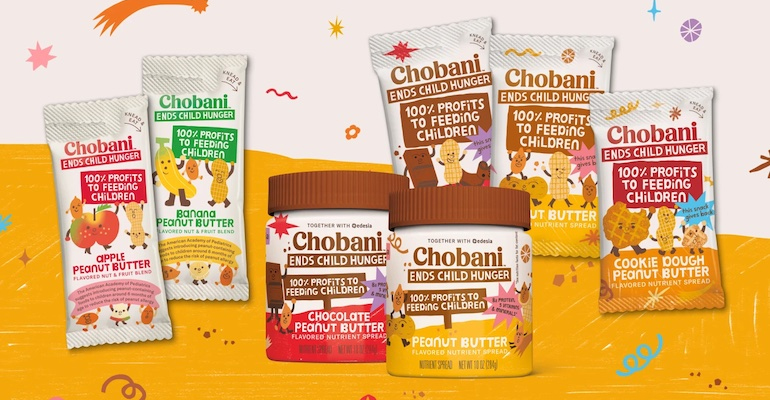
These climbing sales are a promising sign for a company that The Wall Street Journal reported will seek potential valuations of between $7 billion and $10 billion for its IPO. In its initial filing for a public offering, the company listed its offering as $100 million without indicating the number of shares it will offer or what the price of those shares will be.
Such a valuation goal will put the company in line to become of the largest IPOs in the last several years. Beyond Meat went public in 2019 with roughly a $4 billion valuation. Since this alternative protein company became the first plant-based food company to go public, many other corporations have followed suit. Oatly and the Noosa yogurt-maker Sovos Brands are just a couple examples of public companies that will be competing directly with Chobani on the public markets.
While going public is currently a popular move for food and beverage companies, it is not always a lucrative one. In a review from Food Dive of 13 companies that have gone public since July 2020, all but one of the listings are trading below where they began when they first went public.
At the same time, not all of the companies that have gone to market were turning a profit prior to listing. Chobani is, and the company appears to be growing. It is clear that the company is making meaningful progress in its goal of transforming from just a yogurt company into a powerhouse of plentiful better-for-you offerings.
However, there is still a ways to go as financial reports from the company demonstrate there is room to diversify sales. Currently, 10% of its net sales are dependent on two customers, Food Dive reported. However, with 95,000 retail locations in the U.S., there is plenty of room to branch out and support its future sales platform.

Get more of our news on Google
Set Ingredients Network as a 'Preferred Source' to get quicker access to the news you value.
Related news

Do the US dietary guidelines put UPFs under pressure?
10 Sep 2026
Will the US dietary guidelines change the way Americans eat, swapping ultra-processed foods for whole foods? We asked Dr Barry Popkin, renowned nutrition and obesity researcher.
Read more
Food fraud costs UK economy £2bn each year
9 Sep 2026
Food fraud is costing the UK economy up to £2 billion (€2.3 billion) every year although the food sector is more “resilient” than others, according to a recent study.
Read more
Kellogg accelerates work to remove artificial colours from all US cereals
3 Sep 2026
WK Kellogg has announced an accelerated timeline to eliminate all artificial colours and the chemical preservative, BHT, across its full US portfolio of cereals and cereal packaging.
Read more
Skimpflation: An ‘unfair’ and risky approach to keeping prices low
2 Sep 2026
Consumers see skimpflation – reducing the quality of ingredients due to rising costs – as more unfair than shrinkflation, making it a risky strategy according to recent research.
Read more
‘Urgent gaps’ in achieving 2030 food system goals
27 Aug 2026
Global food systems are failing to meet 2030 targets across indicators including health, environment, and resilience, according to a report co-authored by the Food and Agriculture Organisation (FAO).
Read more
Popular barbecue staples experience sharp price increases
19 Aug 2026
The typical cost of US shoppers’ barbecue baskets has risen by 12% over the past year – the fastest annual rise in a decade, figures from The Economist show.
Read more
Savoury protein snacks shake up the on-the-go market
10 Aug 2026
Sweet flavours have dominated the high-protein snack category but savoury snacks, such as cheese bars and meat sticks, can appeal to health-conscious consumers.
Read more
Digital twin technology gains ground in food manufacturing
6 Aug 2026
Food and beverage companies are increasingly turning to digital twins to optimise and automate manufacturing processes, but opportunities stretch far beyond this, say experts.
Read more
Nestlé invests in regeneratively farmed wheat for KitKat
5 Aug 2026
Nestlé will pay a premium for Wildfarmed’s regeneratively farmed wheat but the CPG remains reticent to promote the move on packs of its KitKat bars.
Read more
Codex sets global thresholds for ‘may contain’ labels
3 Aug 2026
Codex Alimentarius has adopted its first global guidance on when to use “may contain” allergen warnings, setting thresholds intended to stop the label being used as blanket legal cover.
Read more