
Ingredients Categories
Finished Products
Finished Food Categories
- Bakery
- Beverages / Juices
- Cereal and grain products
- Confectionery
- Cooking Fats & Oils
- Dairy
- Egg products
- Fruits & Vegetables
- Infant & Baby food
- Meat, Poultry & Fish
- Nuts & Seeds products
- Other Finished Food Categories
- Pet Food
- Plant-based foods
- Prepared foods
- Sauces & Seasonings
- Sweet & Savoury Spreads
Specialised Finished Products
- Bee products
- Biotic products
- Dietary supplements
- Energy drinks
- Functional beverages
- Functional confectionery
- Functional food
- Functional powders
- Meal replacement products
- Nutricosmetics
- Other Specialised Finished Products
- Pet Dietary Supplements
- Pharma and OTC products
- Protein products
- Sugar replacers / Sweeteners
Health & Wellness Areas
Delivery Formats
Operations & Services
- 3D printing
- Analysis/ Testing
- Auditing & certifications
- Blending & mixing
- Bottling
- Certification
- Clinical trials
- Co-packing
- Coating
- Consulting
- Contract manufacturing
- Drying
- Electrospinning
- Encapsulating
- Enzymatic processing
- Extracting
- Extrusion
- Fat structuring
- Fermentation
- Filling
- Flavour development
- Freeze drying
- Granulating/ grinding/ milling / mixing
- High-pressure processing
- Labelling
- Other Operations & Services
- Packaging
- Packet filling
- Pasturising
- Quality assurance
- Saccharification
- Shear cell processing
- Spray drying
- Sterilisation
- Storage & Logistics
- Tabletting
- Toasting / roasting
- Ultra-high temperature processing
News
Coca-Cola acquires remaining stake in BodyArmor sports drinks
Katja Knox, Editorial Account Manager 2 Nov 2021Coca-Cola announced it is spending $5.6 billion to acquire the remaining 85% of the sports drink brand BodyArmor that it did not previously own. The Atlanta-based company initially took a 15% stake in BodyArmor in 2018.
This deal is the largest acquisition ever made by the 129-year old company, and according to North American business unit president Alfredo Rivera, “BodyArmor has been a great addition to the system lineup over the last three years.”
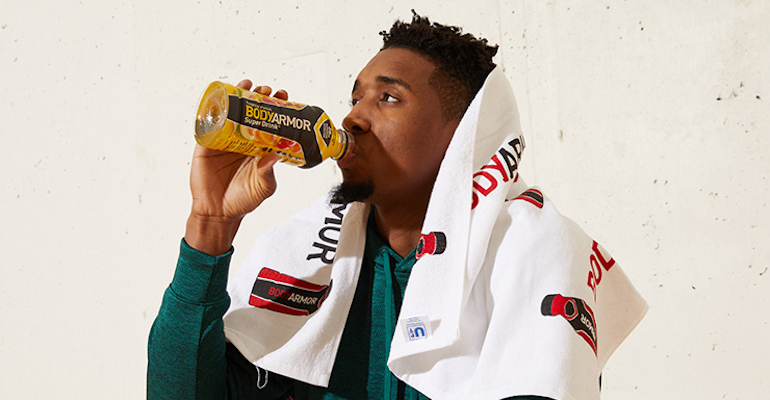
According to figures cited in the press release, BodyArmor is the No. 2 sports drink behind PepsiCo’s Gatorade and is growing at a 50% rate year over year. That fast growth has taken BodyArmor from a disruptor brand posting $250 million in sales three years ago, when Coca-Cola took its initial stake in the company, to its current sales figures of $1.4 billion in retail, cited in the press release.
This deal has been in progress for years. When Coca-Cola originally took a minority stake for an undisclosed sum, it did so with the option to fully acquire the sports drink brand at a later date. Then, earlier this year, the beverage corporation announced that it was interested in exercising that option for full ownership.
It is not surprising that Coca-Cola would choose to invest in a brand that ticks the boxes for qualities that consumers are seeking in their beverages. With a focus on hydration, this sports drink brand positions itself as a healthier beverage option thanks to its use of coconut water and focus on sugar rather than high fructose corn syrup. BodyArmor also touts its low sodium and high potassium levels as well as the absence of artificial colors.
Not only is BodyArmor focused on attracting consumers interested in these better-for-you trends, but it also holds a larger portion of the overall sports drink market than Coca-Cola’s own Powerade. According to The Wall Street Journal, Powerade commands 13% of the overall sports drink market compared to the 18% held by BodyArmor. With two powerhouse sports beverages in its portfolio, Coca-Cola has transformed into serious competition for PepsiCo’s Gatorade.
To help chip away at Gatorade’s market share, Coca-Cola will keep BodyArmor operating as a separate business under the guidance of founder and chairman Mike Repole, who was also responsible for founding the blockbuster brands Vitaminwater and Smartwater. Repole wants to create the same disruption with BodyArmor.
"Ten years ago, we set out with a vision to create a better-for-you sports drink with a goal of becoming the No. 1 global sports drink,” Repole said in a statement. And Coca-Cola still has its sights set on reaching the top. BodyArmor will continue to be distributed by the U.S. Coca-Cola bottling system but will now have the beverage company’s total backing and access to supply chain relationships and marketing power that has the ability to further accelerate its growth.
As part of the agreement with Coca-Cola, Repole will also try his hand at collaborating with Coca-Cola’s still beverages portfolio, touching multiple brands.

Get more of our news on Google
Set Ingredients Network as a 'Preferred Source' to get quicker access to the news you value.
Related news

Do the US dietary guidelines put UPFs under pressure?
10 Sep 2026
Will the US dietary guidelines change the way Americans eat, swapping ultra-processed foods for whole foods? We asked Dr Barry Popkin, renowned nutrition and obesity researcher.
Read more
Food fraud costs UK economy £2bn each year
9 Sep 2026
Food fraud is costing the UK economy up to £2 billion (€2.3 billion) every year although the food sector is more “resilient” than others, according to a recent study.
Read more
Skimpflation: An ‘unfair’ and risky approach to keeping prices low
2 Sep 2026
Consumers see skimpflation – reducing the quality of ingredients due to rising costs – as more unfair than shrinkflation, making it a risky strategy according to recent research.
Read more
NielsenIQ’s EU barometer shows Britain leading in grocery inflation
31 Aug 2026
Britain was the only country to record grocery inflation above 2%, according to NielsenIQ data that compared Europe’s five biggest grocery markets from February to May 2026.
Read more
‘Urgent gaps’ in achieving 2030 food system goals
27 Aug 2026
Global food systems are failing to meet 2030 targets across indicators including health, environment, and resilience, according to a report co-authored by the Food and Agriculture Organisation (FAO).
Read more
China beverages: Is herbal innovation the future?
20 Aug 2026
Herbal and botanical innovation in China's drinks market continues to grow, with ingredients like astragalus root, ginger, and ginseng in the spotlight – and focus shifting far beyond refreshment.
Read more
Popular barbecue staples experience sharp price increases
19 Aug 2026
The typical cost of US shoppers’ barbecue baskets has risen by 12% over the past year – the fastest annual rise in a decade, figures from The Economist show.
Read more
Beyond 'nice to have': A spotlight on US functional beverages
12 Aug 2026
Functional beverage interest in the US is gaining important ground as consumers now expect function rather than see it as "nice to have", and there are clear market gaps for growth, according to Spate.
Read more
Manam Chocolate aims to bring premium Indian cacao to 'the world stage'
11 Aug 2026
Craft chocolate brand Manam Chocolate is investing in local expansion and supply chain innovation throughout India as it works to build out the premium reputation of its locally produced cacao products.
Read more
Digital twin technology gains ground in food manufacturing
6 Aug 2026
Food and beverage companies are increasingly turning to digital twins to optimise and automate manufacturing processes, but opportunities stretch far beyond this, say experts.
Read more