
Ingredients Categories
Finished Products
Finished Food Categories
- Bakery
- Beverages / Juices
- Cereal and grain products
- Confectionery
- Cooking Fats & Oils
- Dairy
- Egg products
- Fruits & Vegetables
- Infant & Baby food
- Meat, Poultry & Fish
- Nuts & Seeds products
- Other Finished Food Categories
- Pet Food
- Plant-based foods
- Prepared foods
- Sauces & Seasonings
- Sweet & Savoury Spreads
Specialised Finished Products
- Bee products
- Biotic products
- Dietary supplements
- Energy drinks
- Functional beverages
- Functional confectionery
- Functional food
- Functional powders
- Meal replacement products
- Nutricosmetics
- Other Specialised Finished Products
- Pet Dietary Supplements
- Pharma and OTC products
- Protein products
- Sugar replacers / Sweeteners
Health & Wellness Areas
Delivery Formats
Operations & Services
- 3D printing
- Analysis/ Testing
- Auditing & certifications
- Blending & mixing
- Bottling
- Certification
- Clinical trials
- Co-packing
- Coating
- Consulting
- Contract manufacturing
- Drying
- Electrospinning
- Encapsulating
- Enzymatic processing
- Extracting
- Extrusion
- Fat structuring
- Fermentation
- Filling
- Flavour development
- Freeze drying
- Granulating/ grinding/ milling / mixing
- High-pressure processing
- Labelling
- Other Operations & Services
- Packaging
- Packet filling
- Pasturising
- Quality assurance
- Saccharification
- Shear cell processing
- Spray drying
- Sterilisation
- Storage & Logistics
- Tabletting
- Toasting / roasting
- Ultra-high temperature processing
News
Fairtrade International calls on industry to act for fair supply chains
Kacey Culliney, Freelance Journalist 14 May 2026Via its Global Strategy 2026-2028, Fairtrade International is calling on the food industry to embed fairer sourcing practices and invest in long-term supplier relationships.
In March this year, non-profit organisation Fairtrade International unveiled its Global Strategy 2026-2028, aimed at building farmer resilience and advancing fair and sustainable trade further.
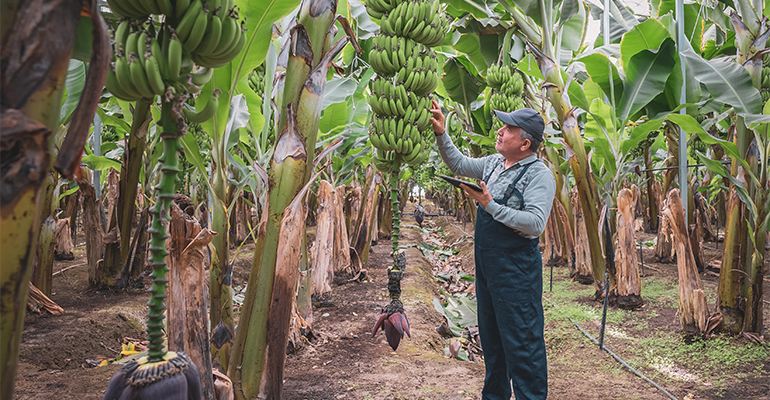
The three-year plan responds to “immediate market needs and producer realities, such as fair prices, market access, and climate adaptation” and is designed to strengthen collaboration between producers and businesses at a time when external pressures are mounting, the non-profit said.
The strategy centres around three main goals: fostering sustainable livelihoods, advancing resilient and fair supply chains, and inspiring a collective commitment to fair and sustainable trade.
Food and drink companies are “essential partners” to fair trade
Speaking to Ingredients Network, Dr Arisbe Mendoza, director of global impact, advocacy and partnerships at Fairtrade International, said food and beverage companies are “essential partners” with influence to drive change and achieve goals outlined in the strategy.
“We invite food and beverage companies to move from commitment to implementation, by embedding fairer sourcing practices into their core business, investing in long-term supplier relationships and sharing responsibility for the resilience of supply chains,” Mendoza said.
Companies can, for example, commit to fairing pricing and income, actively supporting living income and living wage goals by paying prices that “reflect the true cost of sustainable production”.
They can also move away from short-term buying towards multi-year commitments with suppliers, to provide “stability and predictability” for producers. Beyond this, industry can “co-invest in resilience”, she said, by supporting farmers and workers in adapting to sustainable farming through targeted investments in sustainable practices, infrastructure, and innovation.
“Strong, resilient supply chains are at the heart of what we are trying to achieve,” she explained, which means “going beyond compliance”, towards deeper and more meaningful action and investment.
Fairtrade International to launch digital and data tools to catalyse change
Over the next three years, Fairtrade International will implement a series of digital and data tools to help such change, as well as expand and diversify its fundraising programme to allow investment in training for farmers and workers.
“We have a shared opportunity to shape the future of supply chains,” Mendoza said. “Fairtrade can act as a catalyst for this transformation, but lasting change depends on collaboration. When supply chain actors work together, we can build systems that are fit for the future and deliver real impact for farmers and workers.”
A three-year action plan for focus, agility, and impact
According to Marike Runneboom de Peña, global CEO of Fairtrade International, “now is the time to pivot”, given today's global environment which is defined by geopolitical instability, climate change, evolving consumer values and an expanding regulatory market.
“If this global strategy is impactful as we intend it to be, belief, trust, credibility, and participation in the Fairtrade system will have grown thanks to expanding and new partnerships, as well as consumer interest in Fairtrade products,” Runneboom de Peña said.
Fairtrade International's latest global strategy sees the non-profit shorten its strategy cycle to three years versus five, which should ensure “greater focus, agility and real-world impact”, explained Mendoza.
“The environment in which Fairtrade operates is changing rapidly, whether due to geopolitical shifts, evolving regulation or the accelerating effects of climate change. In this context, longer strategy cycles risk losing relevance or focus, particularly in the later years,” she said. “A three-year horizon allows us to stay closer to reality: to set clear priorities, take action and adapt where needed, while remaining accountable for delivering tangible outcomes for farmers and workers.”

Get more of our news on Google
Set Ingredients Network as a 'Preferred Source' to get quicker access to the news you value.
Related news

Do the US dietary guidelines put UPFs under pressure?
10 Sep 2026
Will the US dietary guidelines change the way Americans eat, swapping ultra-processed foods for whole foods? We asked Dr Barry Popkin, renowned nutrition and obesity researcher.
Read more
Health and wellness engagement matures across Middle East and Africa
4 Sep 2026
Many consumers in the Middle East and Africa are now proactively engaged in health and wellness, looking to integrate better habits and products into their daily lives, say experts.
Read more
Skimpflation: An ‘unfair’ and risky approach to keeping prices low
2 Sep 2026
Consumers see skimpflation – reducing the quality of ingredients due to rising costs – as more unfair than shrinkflation, making it a risky strategy according to recent research.
Read more
‘Urgent gaps’ in achieving 2030 food system goals
27 Aug 2026
Global food systems are failing to meet 2030 targets across indicators including health, environment, and resilience, according to a report co-authored by the Food and Agriculture Organisation (FAO).
Read more
Seven-Eleven uses microbial testing tech to extend katsudon shelf life
26 Aug 2026
Japanese retail company Seven-Eleven has improved its factory’s microbial environment to keep comfort-food staple, katsudon, fresher for longer.
Read more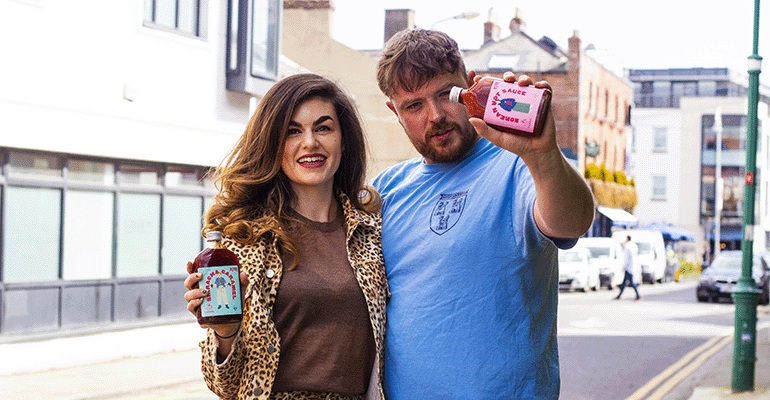
Chimac’s fusion sauces bring Korean flavours to Europe
25 Aug 2026
Irish sauce brand Chimac is tapping into Korea’s culinary traditions, bringing its flavours and products to European consumers who want a taste of K-food.
Read more
Global demand for instant noodles continues to rise
24 Aug 2026
Global demand for instant noodles reached 124.21 billion servings last year, representing a 0.7% year-on-year increase – or 900 million extra servings.
Read more
Popular barbecue staples experience sharp price increases
19 Aug 2026
The typical cost of US shoppers’ barbecue baskets has risen by 12% over the past year – the fastest annual rise in a decade, figures from The Economist show.
Read more
Hot NPD: Nissin launches first cold-water Cup Noodles
18 Aug 2026
Nissin is taking one of Japan’s most iconic instant meals in a completely new direction with the launch of the first cold water-only Cup Noodles in the brand’s 55-year history.
Read more
Manam Chocolate aims to bring premium Indian cacao to 'the world stage'
11 Aug 2026
Craft chocolate brand Manam Chocolate is investing in local expansion and supply chain innovation throughout India as it works to build out the premium reputation of its locally produced cacao products.
Read more