
Ingredients Categories
Finished Products
Finished Food Categories
- Bakery
- Beverages / Juices
- Cereal and grain products
- Confectionery
- Cooking Fats & Oils
- Dairy
- Egg products
- Fruits & Vegetables
- Infant & Baby food
- Meat, Poultry & Fish
- Nuts & Seeds products
- Other Finished Food Categories
- Pet Food
- Plant-based foods
- Prepared foods
- Sauces & Seasonings
- Sweet & Savoury Spreads
Specialised Finished Products
- Bee products
- Biotic products
- Dietary supplements
- Energy drinks
- Functional beverages
- Functional confectionery
- Functional food
- Functional powders
- Meal replacement products
- Nutricosmetics
- Other Specialised Finished Products
- Pet Dietary Supplements
- Pharma and OTC products
- Protein products
- Sugar replacers / Sweeteners
Health & Wellness Areas
Delivery Formats
Operations & Services
- 3D printing
- Analysis/ Testing
- Auditing & certifications
- Blending & mixing
- Bottling
- Certification
- Clinical trials
- Co-packing
- Coating
- Consulting
- Contract manufacturing
- Drying
- Electrospinning
- Encapsulating
- Enzymatic processing
- Extracting
- Extrusion
- Fat structuring
- Fermentation
- Filling
- Flavour development
- Freeze drying
- Granulating/ grinding/ milling / mixing
- High-pressure processing
- Labelling
- Other Operations & Services
- Packaging
- Packet filling
- Pasturising
- Quality assurance
- Saccharification
- Shear cell processing
- Spray drying
- Sterilisation
- Storage & Logistics
- Tabletting
- Toasting / roasting
- Ultra-high temperature processing
News
Cocoa-free chocolate company raises $6M for expansion
Katja Knox, Editorial Account Manager 4 Nov 2021Germany’s QOA, a startup striving to create chocolate without the cocoa, closed a $6 million funding round led by Cherry Ventures with participation from 50years, World Fund, Nucleus Capital, Trellis Road, Pioneer Fund, and Tet Ventures.
Funding will be allocated toward building out a pilot production facility in Munich, Germany to complement QOA’s manufacturing facilities in Switzerland, the company said. Additionally, the company will allocate a portion of its funds toward hiring.
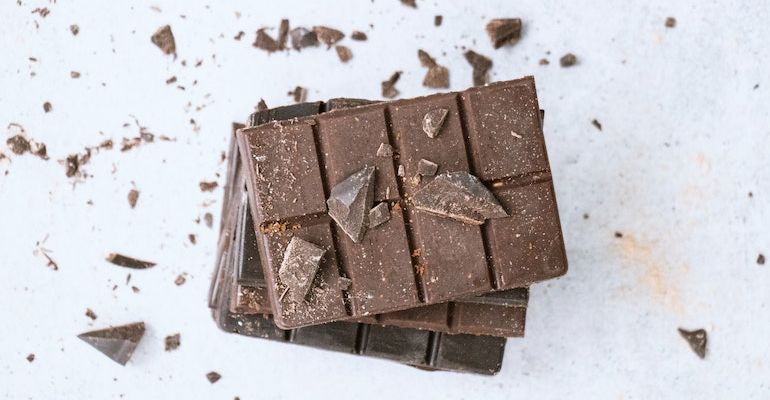
Chocolate has long been a product around which there have been questions of sustainability. From child labor and deforestation to concerns about climate change and loss of the ecosystems, concerns about chocolate production have been mounting, pushing major chocolate manufacturers to pledge to source their raw materials more sustainably. However, these promises that have spanned over a decade have gone largely unfulfilled, according to the Cocoa Barometer 2020 report.
To combat these ongoing issues, QOA is looking to tackle sustainability from an alternative perspective. Instead of plants in nature, the company relies on fermentation that produces natural byproducts from other food-making processes for its base material. The startup then uses its proprietary mixture of microbacteria and flavor formation to craft a chocolate alternative that maintains the texture and flavor of chocolate. According to the company, its chocolate is vegan and without any artificial additives.
QOA is scaling at a pace that it expects will bring its first cocoa-free chocolate products to market by 2022. By 2035, the German startup said that it intends to have reached a scale that will make it possible to price its products at or below the cost of traditional chocolate.
As demand for chocolate grows, prices have also increased. Chocolate – particularly dark chocolate -- has been linked to health benefits, but it is also a traditionally indulgent food. Both these qualities have been in-demand over the course of the pandemic, causing chocolate sales to grow 4.2%, according to the National Confectioners Association’s 2021 State of Treating report.
Not only has the market for chocolate grown, but more people are consuming larger quantities of the treat. In Cargill’s most recent ChocoLogic study, the company found about one-third of people increased their intake of chocolate as a result of the pandemic. This is despite years of rising prices. In 2018, the average chocolate and confectionery import price rose 3.5% compared to a year prior, according to Index Box. Then, this year, prices jumped again and major manufacturers like Hershey Co. announced that these price hikes would be passed down to consumers.
In such an environment, it is no surprise that entrepreneurs are looking for an alternative solution to continue to provide chocolate. In addition to QOA, California Cultured and Voyager Foods are working on creating chocolate without cocoa. If they succeed in matching the flavor profile of the beloved treat, there is a good chance that these alternatives will find their way into shoppers' baskets.

Get more of our news on Google
Set Ingredients Network as a 'Preferred Source' to get quicker access to the news you value.
Related news

Do the US dietary guidelines put UPFs under pressure?
10 Sep 2026
Will the US dietary guidelines change the way Americans eat, swapping ultra-processed foods for whole foods? We asked Dr Barry Popkin, renowned nutrition and obesity researcher.
Read more
Food fraud costs UK economy £2bn each year
9 Sep 2026
Food fraud is costing the UK economy up to £2 billion (€2.3 billion) every year although the food sector is more “resilient” than others, according to a recent study.
Read more
Kellogg accelerates work to remove artificial colours from all US cereals
3 Sep 2026
WK Kellogg has announced an accelerated timeline to eliminate all artificial colours and the chemical preservative, BHT, across its full US portfolio of cereals and cereal packaging.
Read more
Skimpflation: An ‘unfair’ and risky approach to keeping prices low
2 Sep 2026
Consumers see skimpflation – reducing the quality of ingredients due to rising costs – as more unfair than shrinkflation, making it a risky strategy according to recent research.
Read more
‘Urgent gaps’ in achieving 2030 food system goals
27 Aug 2026
Global food systems are failing to meet 2030 targets across indicators including health, environment, and resilience, according to a report co-authored by the Food and Agriculture Organisation (FAO).
Read more
Seven-Eleven uses microbial testing tech to extend katsudon shelf life
26 Aug 2026
Japanese retail company Seven-Eleven has improved its factory’s microbial environment to keep comfort-food staple, katsudon, fresher for longer.
Read more
Global demand for instant noodles continues to rise
24 Aug 2026
Global demand for instant noodles reached 124.21 billion servings last year, representing a 0.7% year-on-year increase – or 900 million extra servings.
Read more
Popular barbecue staples experience sharp price increases
19 Aug 2026
The typical cost of US shoppers’ barbecue baskets has risen by 12% over the past year – the fastest annual rise in a decade, figures from The Economist show.
Read more
Hot NPD: Nissin launches first cold-water Cup Noodles
18 Aug 2026
Nissin is taking one of Japan’s most iconic instant meals in a completely new direction with the launch of the first cold water-only Cup Noodles in the brand’s 55-year history.
Read more
Savoury protein snacks shake up the on-the-go market
10 Aug 2026
Sweet flavours have dominated the high-protein snack category but savoury snacks, such as cheese bars and meat sticks, can appeal to health-conscious consumers.
Read more