
Ingredients Categories
Finished Products
Finished Food Categories
- Bakery
- Beverages / Juices
- Cereal and grain products
- Confectionery
- Cooking Fats & Oils
- Dairy
- Egg products
- Fruits & Vegetables
- Infant & Baby food
- Meat, Poultry & Fish
- Nuts & Seeds products
- Other Finished Food Categories
- Pet Food
- Plant-based foods
- Prepared foods
- Sauces & Seasonings
- Sweet & Savoury Spreads
Specialised Finished Products
- Bee products
- Biotic products
- Dietary supplements
- Energy drinks
- Functional beverages
- Functional confectionery
- Functional food
- Functional powders
- Meal replacement products
- Nutricosmetics
- Other Specialised Finished Products
- Pet Dietary Supplements
- Pharma and OTC products
- Protein products
- Sugar replacers / Sweeteners
Health & Wellness Areas
Delivery Formats
Operations & Services
- 3D printing
- Analysis/ Testing
- Auditing & certifications
- Blending & mixing
- Bottling
- Certification
- Clinical trials
- Co-packing
- Coating
- Consulting
- Contract manufacturing
- Drying
- Electrospinning
- Encapsulating
- Enzymatic processing
- Extracting
- Extrusion
- Fat structuring
- Fermentation
- Filling
- Flavour development
- Freeze drying
- Granulating/ grinding/ milling / mixing
- High-pressure processing
- Labelling
- Other Operations & Services
- Packaging
- Packet filling
- Pasturising
- Quality assurance
- Saccharification
- Shear cell processing
- Spray drying
- Sterilisation
- Storage & Logistics
- Tabletting
- Toasting / roasting
- Ultra-high temperature processing
News
Coffee creamers to go clean label
17 Jun 2016Research by Packaged Facts concludes that growth in the coffee creamers market will come from the adoption of formulations with ingredients that meet the "clean label" criteria consumers seek.

In the recent past, product development in the coffee creamers realm has centred largely around new flavour varieties, according to market researcher Packaged Facts. However, in the foreseeable future, the company believes that new and novel product formulations with ingredients that meet the "clean label" criteria consumers seek are expected to spur growth. Further boosting dollar sales will, it said, be the premium pricing accorded products with the premium ingredients associated with "pure," "real," "natural," and organic foods.
Looking ahead, "clean label" products will be essential in growing U.S. retail market sales of coffee creamers to a projected $2.9 by 2020, according to Packaged Facts’ new report, “Refrigerated Coffee Creamers: U.S. Market Trends”. The forecast growth is a 15% increase from sales of $2.5 billion in 2015.According to Packaged Facts' proprietary National Consumer Survey conducted in April 2016, two-thirds of consumers prefer foods and beverages with fewer ingredients. With consumer concerns over unhealthy/unnatural ingredients, clean label creamers are expected to attract and appeal to the growing segment of new, more health-conscious coffee drinkers. Also benefitting the market is the fact that government-mandated cleaner labels are on the horizon, the company notes, pointing out that the U.S. Food and Drug Administration has given the food industry until June 2018 to phase out partially hydrogenated oils (PHOs), a source of the trans fats that have been linked to heart disease. Coffee creamers are cited by FDA as an example of foods that may contain PHOs.Though the future outlook is undoubtedly sweet, Packaged Facts says, major players in this segment are already benefitting from a shift to cleaner labels. For example, Nestlé's Coffee-mate's Natural Bliss dairy-based line has been especially successful. "Made delicious with ingredients you recognize," Natural Bliss contains just five ingredients: milk, cream, cane sugar, salt, and natural flavour. Natural Bliss experienced what Packaged Facts describes as astronomical sales growth of more than 50% between 2014 and 2015, a stunning feat that it says is all the more noteworthy because Natural Bliss was launched in 2011. Nestlé was something of a pioneer in the mass-market clean label niche, and is now reaping the rewards of its prescience, note Packaged Facts' analysts."Refrigerated coffee creamers with 'clean label' cred are emerging as a formidable force on the mainstream market, as evidenced by the tremendous growth of such products as Nestlé's Natural Bliss, WhiteWave's Silk, and Califia, whose sales skyrocketed from $500,000 to $5.5 million from 2014 to 2015," said David Sprinkle, research director, Packaged Facts.Relatedly, plant-based foods and beverages epitomize the clean label characterization, Packaged Facts says, believing that the success of the handful of currently available dairy alternative creamers suggests great promise for this niche. According to Packaged Facts, strong growth in the almond milk segment is the single most significant development in market trends. Expansion of the market for plant-based dairy alternative beverages will also be driven by new offerings like cashew milk and hemp milk and combination formulations with such ingredients as chia and quinoa.While creamers have not reached quite this degree of novelty, the fact that the current crop of plant-based creamers are line extensions of plant-based milk beverages is of critical significance, the company believes. The aforementioned Califia Farms' Better Half creamer is a nut-based alternative to dairy half & half. Likewise, Coconut Cloud provides the market with a dried coconut milk product that is dairy-free and vegan. Not to be outdone, WhiteWave Foods expanded its creamer offerings under its Silk and So Delicious dairy alternative brands.“Refrigerated Coffee Creamers: U.S. Market Trends” focuses on the dynamic market for refrigerated coffee creamers, particularly with respect to the impact of current product, marketing, and consumer trends. Also discussed in the context of this market are sales and usage trends in the shelf-stable coffee creamer segment. For further perspective, Packaged Facts examines dairy beverage trends. The report offers growth projections for refrigerated coffee creamers and features the results of an exclusive Packaged Facts national online consumer survey of coffee drinkers' tendencies, preferences, and purchase influences when it comes to creamer products. Included are more than one dozen detailed demographic profiles of coffee and creamer consumers.

Get more of our news on Google
Set Ingredients Network as a 'Preferred Source' to get quicker access to the news you value.
Related news

Cottage cheese alternative made from fermented apricot kernels
1 Oct 2026
Revo Foods ferments leftover apricot kernels from jam and juice products into a cottage cheese alternative that naturally contains both protein and fat.
Read more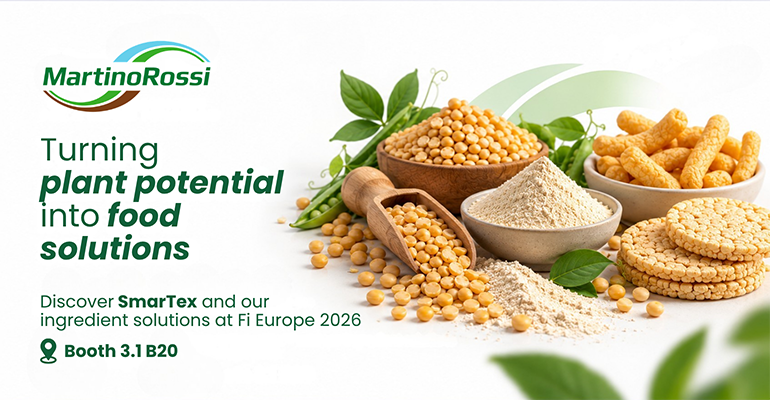
Turning plant potential into food solutions
1 Oct 2026
Today, plant-based and free-from ingredients must do more than replace. MartinoRossi combines nutrition, functionality, and processing performance to address new formulation challenges.
Read more
Hügli Food Industry: Innovations at Fi Europe 2026
1 Oct 2026
Taste 90 years of culinary mastery at Fi Europe (Booth 41G44), where Hügli will feature chilled Bresc Umami compounds alongside Sauce Culture, its newest snack seasoning concept.
Read more
Reinventing soda: Zero sugar, functional benefits, and new indulgence
30 Sep 2026
Zero-sugar, functional, and indulgent sodas are redefining what a carbonated soft drink can offer in today’s evolving market.
Read more
Is creatine going mainstream in food and drink formulation?
24 Sep 2026
The functional ingredient creatine is gaining traction in the food and drink industry, as brands ramp up production investment and explore new applications.
Read more.jpg)
Nactarome: New possibilities in natural innovation
24 Sep 2026
As food innovation becomes increasingly multi-dimensional, Nactarome's expanding expertise reflects a growing industry focus on integrated natural ingredient solutions.
Read more
New GRAS rules offer consumers confidence but companies are concerned
22 Sep 2026
Public health campaigners are celebrating the US government’s move to close the Generally Recognised as Safe (GRAS) loophole, but companies worry it will stifle innovation.
Read more
Immunity, wellness, and nutrition: Nutraceutical promise in the Middle East and Africa
17 Sep 2026
Nutraceuticals continue to gain ground across the Middle East and Africa with vitamins, probiotics, and functional drinks doing particularly well, says Euromonitor.
Read more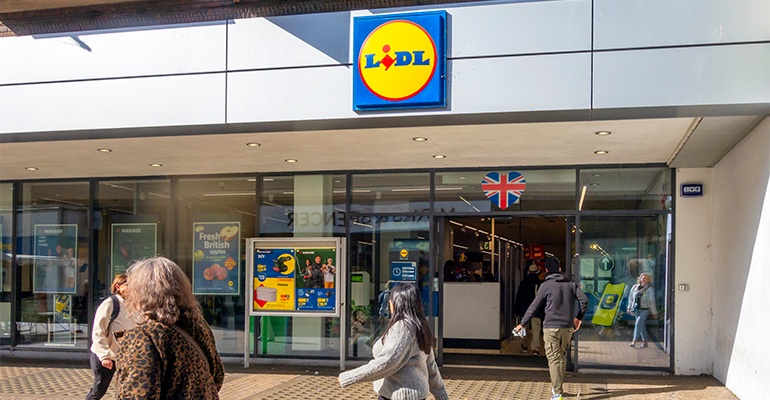
Lidl says Britain 'significantly off track' with healthy and sustainable eating
15 Sep 2026
Discounter retailer Lidl has raised concerns about healthy and sustainable eating habits across Britain, spotlighting how affordability remains a barrier for consumers.
Read more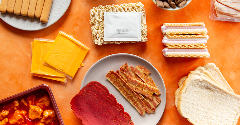
Do the US dietary guidelines put UPFs under pressure?
10 Sep 2026
Will the US dietary guidelines change the way Americans eat, swapping ultra-processed foods for whole foods? We asked Dr Barry Popkin, renowned nutrition and obesity researcher.
Read more