
Ingredients Categories
Finished Products
Finished Food Categories
- Bakery
- Beverages / Juices
- Cereal and grain products
- Confectionery
- Cooking Fats & Oils
- Dairy
- Egg products
- Fruits & Vegetables
- Infant & Baby food
- Meat, Poultry & Fish
- Nuts & Seeds products
- Other Finished Food Categories
- Pet Food
- Plant-based foods
- Prepared foods
- Sauces & Seasonings
- Sweet & Savoury Spreads
Specialised Finished Products
- Bee products
- Biotic products
- Dietary supplements
- Energy drinks
- Functional beverages
- Functional confectionery
- Functional food
- Functional powders
- Meal replacement products
- Nutricosmetics
- Other Specialised Finished Products
- Pet Dietary Supplements
- Pharma and OTC products
- Protein products
- Sugar replacers / Sweeteners
Health & Wellness Areas
Delivery Formats
Operations & Services
- 3D printing
- Analysis/ Testing
- Auditing & certifications
- Blending & mixing
- Bottling
- Certification
- Clinical trials
- Co-packing
- Coating
- Consulting
- Contract manufacturing
- Drying
- Electrospinning
- Encapsulating
- Enzymatic processing
- Extracting
- Extrusion
- Fat structuring
- Fermentation
- Filling
- Flavour development
- Freeze drying
- Granulating/ grinding/ milling / mixing
- High-pressure processing
- Labelling
- Other Operations & Services
- Packaging
- Packet filling
- Pasturising
- Quality assurance
- Saccharification
- Shear cell processing
- Spray drying
- Sterilisation
- Storage & Logistics
- Tabletting
- Toasting / roasting
- Ultra-high temperature processing
News
Bigging up bean-based products and consumption in Britain
Natasha Spencer-Jolliffe, Freelance Journalist 19 Dec 2025Non-profit organisation the Food Foundation has launched a campaign, “Bang in Some Beans”, designed to increase UK consumers’ legume consumption.
In November, the food policy and business reform advocate released its campaign, which aims to double the nation’s bean consumption by 2028.
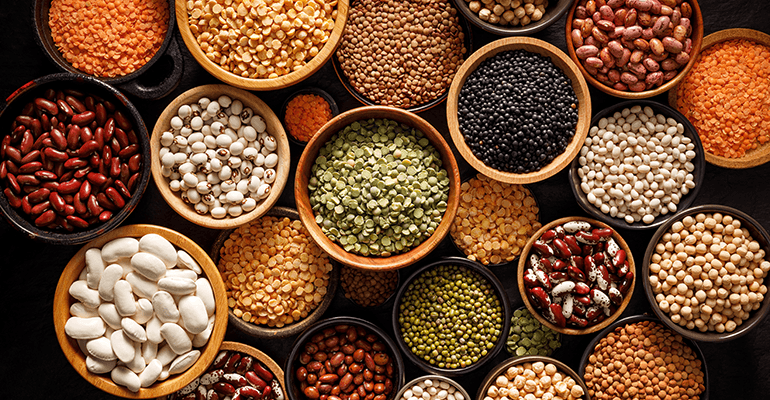
On average, consumers eat one portion of beans per week in the UK, according to the Foundation – a very different picture to 40 years ago, with purchasing data showing that shoppers used to buy four times as many beans.
“There are therefore huge opportunities to shift the dial, and we would like to see manufacturers thinking creatively about which categories they can influence,” Rebecca Tobi, head of food business transformation, told Ingredients Network.
Potential production possibilities range from tinned to frozen legumes, pouches, ready meals, snacks, sandwiches, and a wide range of other composite foods.
Beans: From limited to limitless
Currently, food manufacturers use beans sparingly in finished products, primarily in tried-and-tested traditional formulations.
“Typically, the use of beans in products is fairly limited, with beans often stuck in the dried and tinned category,” said Tobi.
While the Food Foundation, which focuses on pursuing policy reform and business practice changes, sees some ready meals containing beans, green peas dominate as an ingredient in snacks that sit in the health and wellness space.
Furthermore, today’s physical and digital shelves house very few new launches and existing offerings containing pulses, such as lentils and kidney beans.
“We think there is huge potential to change this, and to consider different types of beans we could use, as well as where else we can add beans to products to support the health of people and the planet,” added Tobi.
Charity campaign calls for bigger bean backing
Announcing its campaign to push for greater inclusion of beans in UK finished products, the Food Foundation is encouraging manufacturers to increase their use of beans in formulations.
“We think there’s huge potential for manufacturers to bang in some beans and look for opportunities right across their portfolios to boost their bean offering,” said Tobi.
In snacking categories, for instance, brands could offer dried bean snack varieties to provide an on-the-go easy-to-consume option.
“Even on-the-go is ripe for change,” Tobi added.
Making falafel wraps or adding hummus to sandwiches and salads can be an effective way to increase intake of bean-based ingredients.
In the ready meal category, manufacturers could target convenience-seeking consumers looking for better-for-you alternatives. Family favourites like curries, shepherd’s pie, and stews are ideal places to start for formulators, as these wholesome family staples are familiar enough to provide comfort and satisfy consumer expectations.
Producers can then add flavourful, textural twists and nutritious additions by including beans in their ingredient lists.
Packing a promotional push with positive product positioning
The Food Foundation has run several consumer surveys on which positioning and marketing strategies work well for bean-based products. According to its results, sensorial and lifestyle factors outweigh nutritional needs when deciding whether to choose bean-based products.
“What comes out strongly is that highlighting taste and convenience trump[s] the environmental and even health benefits of beans,” said Tobi.
The affordability of beans can also be a selling point for some demographics, but ultimately, focusing on appeal is key. For example, the Food Foundation has found that looking to other world cuisines for taste and flavour inspiration is an impactful positioning.
Also, while it is not the main selling point, when referencing the health benefits of beans, highlighting their fibre and plant protein content resonates well with shoppers.

Get more of our news on Google
Set Ingredients Network as a 'Preferred Source' to get quicker access to the news you value.
Related news

M&S launches own-brand pet food range
11 Sep 2026
UK retailer Marks & Spencer has launched its own-brand pet food line Paws & Pals – a well-timed and strategic move that will appeal to loyal shoppers, says a marketing expert.
Read more
Do the US dietary guidelines put UPFs under pressure?
10 Sep 2026
Will the US dietary guidelines change the way Americans eat, swapping ultra-processed foods for whole foods? We asked Dr Barry Popkin, renowned nutrition and obesity researcher.
Read more
Food fraud costs UK economy £2bn each year
9 Sep 2026
Food fraud is costing the UK economy up to £2 billion (€2.3 billion) every year although the food sector is more “resilient” than others, according to a recent study.
Read more
Health and wellness engagement matures across Middle East and Africa
4 Sep 2026
Many consumers in the Middle East and Africa are now proactively engaged in health and wellness, looking to integrate better habits and products into their daily lives, say experts.
Read more
Kellogg accelerates work to remove artificial colours from all US cereals
3 Sep 2026
WK Kellogg has announced an accelerated timeline to eliminate all artificial colours and the chemical preservative, BHT, across its full US portfolio of cereals and cereal packaging.
Read more
Skimpflation: An ‘unfair’ and risky approach to keeping prices low
2 Sep 2026
Consumers see skimpflation – reducing the quality of ingredients due to rising costs – as more unfair than shrinkflation, making it a risky strategy according to recent research.
Read more
Royal Canin launches ‘freshly-cooked’ therapeutic dog food
1 Sep 2026
Mars-owned Royal Canin has moved into the therapeutic diet sector with the launch of its Fresh Veterinary Diets range for dogs with health conditions. We asked a veterinary nutritionist for her opinion.
Read more
NielsenIQ’s EU barometer shows Britain leading in grocery inflation
31 Aug 2026
Britain was the only country to record grocery inflation above 2%, according to NielsenIQ data that compared Europe’s five biggest grocery markets from February to May 2026.
Read more
‘Urgent gaps’ in achieving 2030 food system goals
27 Aug 2026
Global food systems are failing to meet 2030 targets across indicators including health, environment, and resilience, according to a report co-authored by the Food and Agriculture Organisation (FAO).
Read more
Seven-Eleven uses microbial testing tech to extend katsudon shelf life
26 Aug 2026
Japanese retail company Seven-Eleven has improved its factory’s microbial environment to keep comfort-food staple, katsudon, fresher for longer.
Read more