
Ingredients Categories
Finished Products
Finished Food Categories
- Bakery
- Beverages / Juices
- Cereal and grain products
- Confectionery
- Cooking Fats & Oils
- Dairy
- Egg products
- Fruits & Vegetables
- Infant & Baby food
- Meat, Poultry & Fish
- Nuts & Seeds products
- Other Finished Food Categories
- Pet Food
- Plant-based foods
- Prepared foods
- Sauces & Seasonings
- Sweet & Savoury Spreads
Specialised Finished Products
- Bee products
- Biotic products
- Dietary supplements
- Energy drinks
- Functional beverages
- Functional confectionery
- Functional food
- Functional powders
- Meal replacement products
- Nutricosmetics
- Other Specialised Finished Products
- Pet Dietary Supplements
- Pharma and OTC products
- Protein products
- Sugar replacers / Sweeteners
Health & Wellness Areas
Delivery Formats
Operations & Services
- 3D printing
- Analysis/ Testing
- Auditing & certifications
- Blending & mixing
- Bottling
- Certification
- Clinical trials
- Co-packing
- Coating
- Consulting
- Contract manufacturing
- Drying
- Electrospinning
- Encapsulating
- Enzymatic processing
- Extracting
- Extrusion
- Fat structuring
- Fermentation
- Filling
- Flavour development
- Freeze drying
- Granulating/ grinding/ milling / mixing
- High-pressure processing
- Labelling
- Other Operations & Services
- Packaging
- Packet filling
- Pasturising
- Quality assurance
- Saccharification
- Shear cell processing
- Spray drying
- Sterilisation
- Storage & Logistics
- Tabletting
- Toasting / roasting
- Ultra-high temperature processing
News
Fazer and Solar Foods launch snack bar made with air protein
Niamh Michail, Head of Publishing 30 Jan 2024Finnish food manufacturer Fazer has teamed up with foodtech startup Solar Foods to launch a limited-edition snack bar in Singapore made using a novel, carbon-fed microbial protein.
Solar Foods manufactures the protein, which it calls Solein®, using microbial organisms from the Finnish soil that are grown in gas fermentation bioreactors. The single-cell organisms feed off a mixture of carbon, which Solar Foods captures from the air using carbon capture technology, as well as hydrogen – made by splitting water with electricity – and vitamins and minerals.
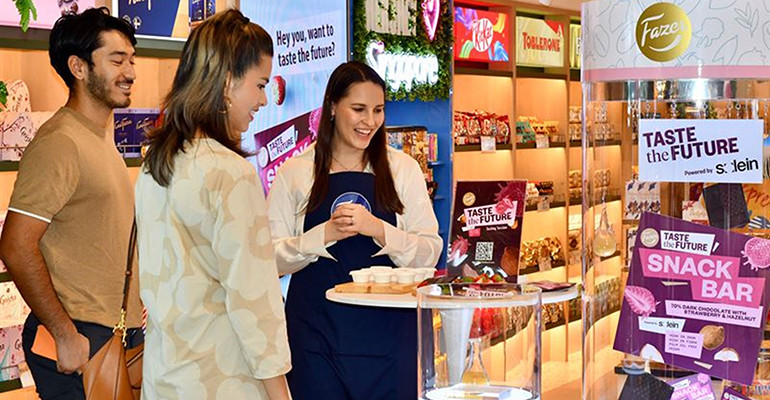
Fazer’s bar, called Taste the Future, hit shelves in selected Cocoa Tree stores across Singapore city-state on 18 January.
The bar, which is vegan and palm oil-free, includes 70% dark chocolate, hazelnuts, dried strawberries, crunchy oat puffs, and 2% Solein®, which was approved for use in food by the Singapore Food Agency in September 2022.
Although 2% is a small inclusion rate, it gives the snack bar iron, a nutrient usually lacking in plant-based foods, Fazer said.
According to Solar Foods, the snack bar demonstrates the versatility of Solein®, showing that it is not just a protein but, as a source of iron, fibre, and B vitamins, can also be used as a fortifier to create functional foods.
It also has several interesting technical functionalities such as structure-forming properties, the startup added.
Soft launch allows Solar Foods to ‘get a sense of consumer acceptance’
Pasi Vainikka, co-founder and CEO of Solar Foods, said the partnership with Fazer represented “an exciting moment”.
He added: “With this introduction in Singapore, we are getting valuable customer feedback on Solein®'s viability in a new product category and also [getting] a sense of the consumer acceptance of future ingredients. Our shared aim extends beyond this pivotal moment, targeting a wider-scale European launch in 2025-2026 with a whole range of products.”
Speaking to our sister site Fi Global Insights in 2021, Vainikka said that it was difficult to conduct reliable consumer acceptance studies on Solein® because of the ingredient’s truly novel origins, and that the company would only find out if people wanted to eat Solein® when it was already on supermarket shelves.
However, given the ingredient’s nutritional profile, ease-of-use for manufacturers, and neutral taste, Vainikka was confident of its success.
Solar Foods is gearing up to supply further demand. It has already submitted applications for food safety authorisation in markets around the world and its first commercial-scale production facility – dubbed Factory 01 – will open in the first half of 2024, with an annual manufacturing capacity of 160 tonnes.
Currently, Solein® is made at Solar Foods’ pilot factory and the chocolate bars are made by Fazer in Vantaa, Finland.
A nutritious, functional, and sustainable ingredient
Available as a fine, yellow powder, Solein® provides 65 to 70% protein, 5 to 8% fat, 10 to 15% dietary fibres, and 3 to 5% mineral nutrients. The macronutrient composition of Solein® cells is similar to that of dried soy or algae, and it contains all essential amino acids.
According to Solar Foods, Solein® is easy to use because it “vanishes into foods and doesn’t change the taste of familiar, everyday food products”.
Heli Anttila, vice-president of new product development at Fazer Confectionery, said: “Innovating for a more sustainable food system requires a fearless approach; it means pioneering solutions and venturing new unexplored possibilities. Fazer Taste the Future snack bar is the first-ever packed consumer product where Solein® is used.
“At Fazer we are continuously looking for opportunities to innovate for a more sustainable future, which is also why we have invested in Solar Foods, the Finnish startup behind Solein®.”

Get more of our news on Google
Set Ingredients Network as a 'Preferred Source' to get quicker access to the news you value.
Related news

Do the US dietary guidelines put UPFs under pressure?
10 Sep 2026
Will the US dietary guidelines change the way Americans eat, swapping ultra-processed foods for whole foods? We asked Dr Barry Popkin, renowned nutrition and obesity researcher.
Read more
Food fraud costs UK economy £2bn each year
9 Sep 2026
Food fraud is costing the UK economy up to £2 billion (€2.3 billion) every year although the food sector is more “resilient” than others, according to a recent study.
Read more
Kellogg accelerates work to remove artificial colours from all US cereals
3 Sep 2026
WK Kellogg has announced an accelerated timeline to eliminate all artificial colours and the chemical preservative, BHT, across its full US portfolio of cereals and cereal packaging.
Read more
Skimpflation: An ‘unfair’ and risky approach to keeping prices low
2 Sep 2026
Consumers see skimpflation – reducing the quality of ingredients due to rising costs – as more unfair than shrinkflation, making it a risky strategy according to recent research.
Read more
‘Urgent gaps’ in achieving 2030 food system goals
27 Aug 2026
Global food systems are failing to meet 2030 targets across indicators including health, environment, and resilience, according to a report co-authored by the Food and Agriculture Organisation (FAO).
Read more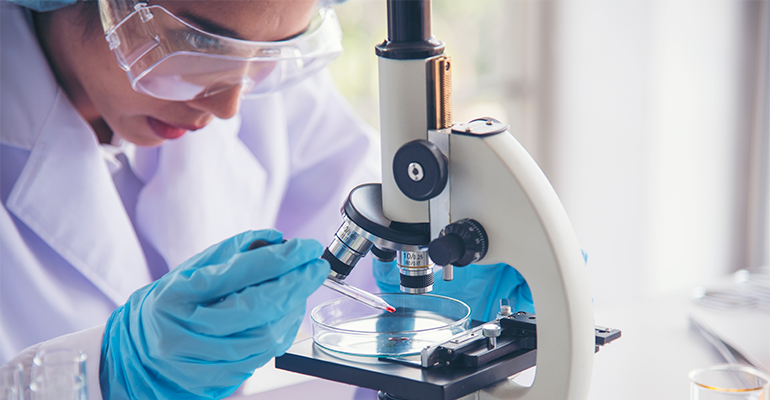
Seven-Eleven uses microbial testing tech to extend katsudon shelf life
26 Aug 2026
Japanese retail company Seven-Eleven has improved its factory’s microbial environment to keep comfort-food staple, katsudon, fresher for longer.
Read more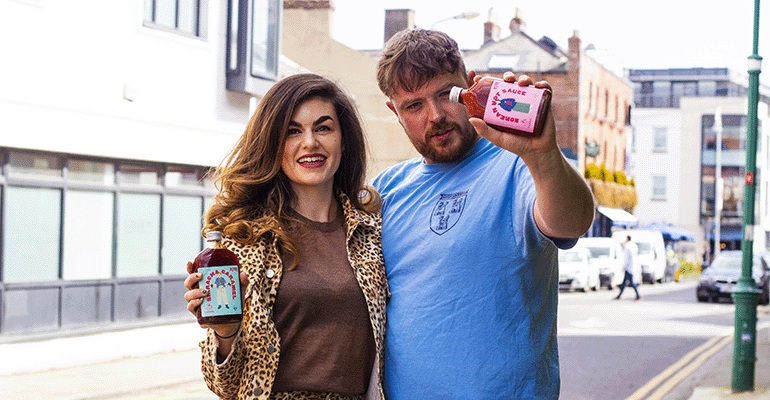
Chimac’s fusion sauces bring Korean flavours to Europe
25 Aug 2026
Irish sauce brand Chimac is tapping into Korea’s culinary traditions, bringing its flavours and products to European consumers who want a taste of K-food.
Read more
Global demand for instant noodles continues to rise
24 Aug 2026
Global demand for instant noodles reached 124.21 billion servings last year, representing a 0.7% year-on-year increase – or 900 million extra servings.
Read more
China beverages: Is herbal innovation the future?
20 Aug 2026
Herbal and botanical innovation in China's drinks market continues to grow, with ingredients like astragalus root, ginger, and ginseng in the spotlight – and focus shifting far beyond refreshment.
Read more
Popular barbecue staples experience sharp price increases
19 Aug 2026
The typical cost of US shoppers’ barbecue baskets has risen by 12% over the past year – the fastest annual rise in a decade, figures from The Economist show.
Read more