
Ingredients Categories
Finished Products
Finished Food Categories
- Bakery
- Beverages / Juices
- Cereal and grain products
- Confectionery
- Cooking Fats & Oils
- Dairy
- Egg products
- Fruits & Vegetables
- Infant & Baby food
- Meat, Poultry & Fish
- Nuts & Seeds products
- Other Finished Food Categories
- Pet Food
- Plant-based foods
- Prepared foods
- Sauces & Seasonings
- Sweet & Savoury Spreads
Specialised Finished Products
- Bee products
- Biotic products
- Dietary supplements
- Energy drinks
- Functional beverages
- Functional confectionery
- Functional food
- Functional powders
- Meal replacement products
- Nutricosmetics
- Other Specialised Finished Products
- Pet Dietary Supplements
- Pharma and OTC products
- Protein products
- Sugar replacers / Sweeteners
Health & Wellness Areas
Delivery Formats
Operations & Services
- 3D printing
- Analysis/ Testing
- Auditing & certifications
- Blending & mixing
- Bottling
- Certification
- Clinical trials
- Co-packing
- Coating
- Consulting
- Contract manufacturing
- Drying
- Electrospinning
- Encapsulating
- Enzymatic processing
- Extracting
- Extrusion
- Fat structuring
- Fermentation
- Filling
- Flavour development
- Freeze drying
- Granulating/ grinding/ milling / mixing
- High-pressure processing
- Labelling
- Other Operations & Services
- Packaging
- Packet filling
- Pasturising
- Quality assurance
- Saccharification
- Shear cell processing
- Spray drying
- Sterilisation
- Storage & Logistics
- Tabletting
- Toasting / roasting
- Ultra-high temperature processing
News
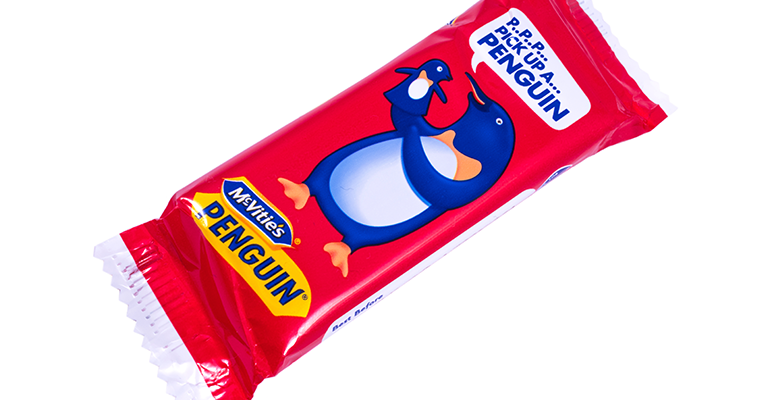
Penguin and Club bars no longer classed as chocolate
Natasha Spencer-Jolliffe, Freelance Journalist 30 Oct 2025Penguin and Club bars can no longer be classified as chocolate after the pladis-owned McVitie’s brands turned to cheaper alternatives amid the ongoing cocoa crisis.
McVitie’s has cut the products’ cocoa content and replaced it with chocolate flavouring, meaning that both treats must now be described as "chocolate flavour".
Higher prices and restricted supply are driving confectionery companies to replace cocoa with other alternatives, including palm oil and shea butter.
“Brands have used chocolate flavouring in the past and [it] will no doubt be used by others in future, particularly given skyrocketing cocoa prices,” Dan Crossley, executive director of the Food Ethics Council, told Ingredients Network.
He added: “Only so much shrinkflation is possible before brands feel they have to switch to alternative, cheaper ingredients.”
Transparent communication crucial to avoid ‘chocolate-wash’
After cocoa has been processed, a cocoa bean becomes cocoa liquor, which contains 50% each of cocoa solids and cocoa butter.
In the European Union (EU), regulations state that for chocolate to be classified as such, it must comprise at least 25% cocoa solids. In the UK, this sits at around 20%.
Previously, Club bars bore the marketing slogan: “If you like a lot of chocolate on your biscuit, join our club.”
However, the reformulation move means both brands will need a rethink when it comes to sales strategies.
Transparent communication about chosen ingredients, sourcing credentials, and production methods is vital to navigate cocoa reduction and replacement plans, Crossley argued.
“We need to avoid chocolate-wash,” he said.
Join our sustainable sourcing Club, anyone?
Approaches to marketing content and claims are likely to differ between big brands like Penguin and Club and emerging startups.
In contrast to legacy brands, smaller companies may want to promote themselves as authentic, with ethically sourced ingredients and higher cocoa content.
“There’s not room in our diets, or on the planet, for us to eat too many chocolate-flavoured, sugary palm oil bars in the future,” said Crossley.
“The irony is that if the Penguin brand makes it to its 100th anniversary in 2032, some of the already endangered penguin species in the world may no longer be around.”
However, he added: “I would love all food brands to put more of their energy into sustainable sourcing than into new marketing strategies.”
A temporary trade-off?
West African countries, notably the Ivory Coast and Ghana, account for approximately 60% of the world’s cocoa production.
In recent seasons, climate change has led to poor harvests and severe droughts in these cocoa-producing countries. Weather disruptions have led to rising cocoa prices and dwindling production volumes.
However, in September, the International Cocoa Organization’s Cocoa Market Report found that in both London and New York, cocoa prices fell by 11%, dropping to $6,357 and $6,735 per tonne respectively.
Although the 2025/26 cocoa season anticipates a global production surplus, it is not solely the result of increased output, but also down to improved weather conditions in West Africa, higher farm gate prices, and expanded production in Ecuador.
Structural challenges remain in West Africa, with ageing cocoa trees, persistent crop diseases, and developing climate-related risks influencing the outlook for the cocoa supply for the remainder of the season.
The industry may see the use of flavouring ingredients instead of conventional chocolate ingredients as a temporary measure while the cocoa season remains volatile. Yet manufacturers may also consider whether they need to prepare their research and development (R&D) plans and formulation strategies for a more permanent switch.
“It’s hard to say whether switches away from ‘real chocolate’ will be permanent, but I’d be surprised if cocoa prices come down soon, so expect to see even more chocolate flavouring in the near future,” Crossley concluded.

Get more of our news on Google
Set Ingredients Network as a 'Preferred Source' to get quicker access to the news you value.
Related news

Do the US dietary guidelines put UPFs under pressure?
10 Sep 2026
Will the US dietary guidelines change the way Americans eat, swapping ultra-processed foods for whole foods? We asked Dr Barry Popkin, renowned nutrition and obesity researcher.
Read more
Food fraud costs UK economy £2bn each year
9 Sep 2026
Food fraud is costing the UK economy up to £2 billion (€2.3 billion) every year although the food sector is more “resilient” than others, according to a recent study.
Read more
Kellogg accelerates work to remove artificial colours from all US cereals
3 Sep 2026
WK Kellogg has announced an accelerated timeline to eliminate all artificial colours and the chemical preservative, BHT, across its full US portfolio of cereals and cereal packaging.
Read more
Skimpflation: An ‘unfair’ and risky approach to keeping prices low
2 Sep 2026
Consumers see skimpflation – reducing the quality of ingredients due to rising costs – as more unfair than shrinkflation, making it a risky strategy according to recent research.
Read more
NielsenIQ’s EU barometer shows Britain leading in grocery inflation
31 Aug 2026
Britain was the only country to record grocery inflation above 2%, according to NielsenIQ data that compared Europe’s five biggest grocery markets from February to May 2026.
Read more
‘Urgent gaps’ in achieving 2030 food system goals
27 Aug 2026
Global food systems are failing to meet 2030 targets across indicators including health, environment, and resilience, according to a report co-authored by the Food and Agriculture Organisation (FAO).
Read more
Manam Chocolate aims to bring premium Indian cacao to 'the world stage'
11 Aug 2026
Craft chocolate brand Manam Chocolate is investing in local expansion and supply chain innovation throughout India as it works to build out the premium reputation of its locally produced cacao products.
Read more
Digital twin technology gains ground in food manufacturing
6 Aug 2026
Food and beverage companies are increasingly turning to digital twins to optimise and automate manufacturing processes, but opportunities stretch far beyond this, say experts.
Read more
Nestlé invests in regeneratively farmed wheat for KitKat
5 Aug 2026
Nestlé will pay a premium for Wildfarmed’s regeneratively farmed wheat but the CPG remains reticent to promote the move on packs of its KitKat bars.
Read more
EU sets maximum MOAH levels to protect human health
28 Jul 2026
The EU will adopt maximum levels for mineral oil aromatic hydrocarbons (MOAH) in food to protect human health. What do manufacturers need to know?
Read more